Commercial Barbell Set Wholesale Supplier – Bick Fitness OEM Factory
Commercial barbells are not sold by weight—they are sold by steel grade, sleeve tolerance, and fatigue endurance.
When sourcing a commercial barbell set for a high-traffic facility, the total price per kilogram means almost nothing if the shaft bends after a few hundred drops or the sleeves seize within months. The real procurement decision hinges on verifying tensile strength ratings, bearing versus bushing construction, knurl depth consistency, and plate bore tolerances—then matching those specs to your actual usage intensity before signing any bulk contract. [NEED_CITE: ISO 20957 fixed training equipment safety and durability testing requirements]
I spent years outfitting gyms across the Gulf, watching buyers compare quotes based purely on price-per-kilo, only to watch those same bars warp and plates rattle within a single summer season. One order I handled for a Dubai fitness chain arrived with sleeves that were off by a couple of millimeters in inner diameter—plates slid and clattered during cleans, and the client refused the shipment outright. The entire container sat at Jebel Ali accumulating daily storage fees while we scrambled to air-freight replacement sleeves. That kind of mistake does not just cost money; it burns credibility with the gym owner who trusted you to deliver turnkey readiness.
Let me walk you through what actually separates a genuine commercial barbell set from a heavy-duty home unit dressed up in marketing language, and how to structure your order so you do not repeat the mistakes I have seen play out across dozens of loading docks.
What Defines a Commercial Grade Barbell Set vs. Home Use?
A commercial barbell set is engineered for tens of thousands of overhead drops and daily multi-user abuse, not just a higher static load number.
The difference is not cosmetic thickness or a heavier-looking finish. It lives inside the steel chemistry, the heat treatment cycle, and the precision of every rotating interface. A residential bar might claim a high weight capacity on the box, yet use low-carbon steel that yields permanently after repeated loading. A true commercial barbell set relies on medium-carbon or spring steel with controlled quenching to achieve the yield strength needed to snap back rather than stay bent. [NEED_CITE: metallurgical differences between low-carbon and spring steel in barbell manufacturing]
Here is how the two tiers actually stack up across the parameters that matter on a gym floor:
| Parameter | True Commercial Grade | Mid-Range / Boutique | Basic Home Grade |
|---|---|---|---|
| Shaft Steel | Spring steel or controlled alloy | Medium-carbon steel | Low-carbon mild steel |
| Tensile Strength | High PSI range suitable for Olympic lifts | Moderate PSI range | Lower PSI, prone to permanent bend |
| Sleeve Rotation | Needle bearing or dual bearing system | Bushing with acceptable spin | Plain bushing, stiffens over time |
| Knurl Pattern | Aggressive yet smooth IWF or power pattern | Moderate depth, inconsistent spacing | Shallow, wears flat quickly |
| Plate Bore Tolerance | Tight fit, minimal lateral play | Acceptable for moderate use | Loose fit, noticeable rattle |
| Finish Durability | Hard chrome or advanced ceramic coating | Zinc or basic chrome | Paint or thin electroplating |
| Fatigue Testing | Validated drop-cycle reports available | Sample-level testing only | Rarely tested beyond static load |
[NEED_CITE: barbell fatigue testing standards comparing drop-cycle endurance across steel grades]
When I was buying for a CrossFit box in Doha, the first supplier quoted an attractive per-kilo rate on what they called "Olympic spec." The bars looked right, the knurl felt right, but within weeks the shafts developed a visible sag after heavy clean sessions. The steel simply lacked the yield point to recover. We replaced the entire set with bars from a manufacturer who could show third-party tensile reports and actual drop-test footage. The per-unit cost was higher, but the lifetime cost dropped noticeably because we were not replacing bent shafts every other quarter.
Key Specs to Verify Before Placing a Bulk Order?
Never approve a bulk order without written confirmation of shaft tensile strength, sleeve bearing type, and plate bore tolerance—these three specs determine whether the set survives year one.
Most buyers focus on bar length, total weight, and finish color. Those are surface decisions. The specs that actually protect your investment live inside the material certificate and the machining tolerance sheet. Here is the verification checklist I now run on every commercial barbell set quote before it reaches the purchase order stage:
Shaft Tensile and Yield Strength
Request the mill test certificate or a third-party lab report showing both tensile strength and yield strength values. A commercial-grade bar should sit in the high tensile range appropriate for Olympic lifting, with a yield point that ensures the bar returns to straight after heavy eccentric loading. [NEED_CITE: recommended tensile and yield strength ranges for Olympic weightlifting bars per industry guidelines]
Sleeve Bearing vs. Bushing
Bushing systems use a simple friction sleeve—adequate for controlled strength work but prone to stiffening and eventual seizure under repetitive dynamic lifts. Bearing systems, whether needle bearing or bronze bushing with bearing assist, deliver smoother rotation and longer service life under high-repetition programming. For any facility running Olympic lifts or high-volume CrossFit-style programming, bearing is the minimum acceptable standard.
Plate Bore Tolerance
This is the spec most buyers never ask about, and it causes the most现场 frustration. If the bore on your plates is oversized even slightly, the plates wobble on the sleeve during lifts, creating noise, uneven load distribution, and accelerated sleeve wear. A tight commercial tolerance keeps lateral play to a minimum. When I inspected that rejected Dubai order, the plates rocked visibly on the sleeves—a tolerance issue that no amount of collar tightening could fix.
Knurl Depth and Pattern
Deep knurl feels aggressive on the first rep but shreds palms over a hundred-rep session. Shallow knurl feels smooth but slips under chalk and sweat. The commercial standard is a balanced medium-depth knurl with consistent spacing across the full grip zone. Ask for a knurl depth measurement and compare it against IWF or IPF reference patterns rather than relying on marketing descriptions.
Finish and Corrosion Resistance
Hard chrome holds up best in humid environments and high-touch commercial settings. Zinc offers decent protection at a lower cost. Bare or black oxide bars require maintenance and are better suited to controlled studio environments. For Gulf-region gyms where humidity and sweat exposure are constant, hard chrome or a ceramic-coated finish extends service life substantially.
How to Test Load Capacity and Durability On-Site?
Request third-party load test reports and conduct your own static and drop tests before accepting delivery—visual inspection alone cannot reveal internal steel fatigue.
A supplier’s brochure will always claim high load capacity. What matters is whether that claim survives contact with a concrete floor and a loaded barbell. Here is the testing sequence I recommend for any commercial barbell set arriving at your facility:
Step One: Static Load Verification
Load the bar to its stated maximum capacity on a rack or lifting platform. Leave it loaded for an extended period—several hours minimum. Measure the shaft deflection at midpoint. After unloading, measure again. Any permanent set or visible curvature means the yield strength was exceeded, and that bar has already been compromised. [NEED_CITE: static load deflection testing methodology for barbells]
Step Two: Controlled Drop Testing
This is where weak steel reveals itself quickly. Load the bar to a working weight—say, a typical heavy clean load for your facility’s members—and perform repeated drops from waist or chest height onto a rubber platform. After a defined cycle count, re-measure the shaft for straightness. Bars made from proper spring steel will show no permanent deformation. Bars made from inferior steel will begin to develop a slight bend within a few hundred drops.
Step Three: Sleeve Rotation Check
Spin the sleeve by hand. It should rotate freely and smoothly without grinding, catching, or lateral play. Then load the sleeve with plates and spin again. A quality bearing system maintains smooth rotation under load. A bushing system that is already stiff when empty will only get worse once weight is applied.
Step Four: Plate Fit and Stability Test
Slide plates onto the loaded bar. They should seat snugly with minimal lateral movement. Grab the loaded sleeve and attempt to wobble it. Any noticeable play indicates a bore tolerance problem that will translate to noise, uneven wear, and member complaints within weeks.
I watched a gym owner in Riyadh accept delivery of a full container of free-weight equipment without running any of these checks. Six weeks later, half the bars had developed bends and the plate sleeves were grinding. The supplier blamed "normal wear." The real issue was that the steel and tolerances had never been commercial grade to begin with. The replacement cost—plus the lost membership goodwill—far exceeded what proper pre-delivery testing would have caught.
What Are the Hidden Costs of Choosing the Wrong Supplier?
The cheapest barbell quote often becomes the most expensive purchase once you factor in returns, air-freight补救, member injury liability, and brand reputation damage.
Price-per-kilo is a trap. I have seen it play out too many times. A buyer selects the lowest quote, the shipment arrives, and then the real costs begin:
Return Shipping and Restocking
Rejecting a full container of barbells is not like returning a defective phone. The freight cost to ship heavy steel back to the origin country often exceeds the product value itself. You are left negotiating a partial credit while sitting on unusable inventory.
Emergency Air-Freight Replacement
If your gym is already open and members are waiting, you cannot afford to wait for a sea-freight replacement. Air-freighting steel bars and plates costs multiples of the original ocean freight, wiping out any initial savings from the cheap supplier.
Member Injury and Liability
A bar that bends mid-lift or a plate that slides off a loose sleeve is not just an inconvenience—it is a safety incident. The liability exposure in commercial fitness environments is real, and no amount of warranty paperwork protects you from the reputational damage when a member gets hurt.
Operational Downtime
Pulling bars off the floor for inspection, swapping out bent shafts, replacing rattling plates—every hour of maintenance is an hour that equipment is not generating membership value.
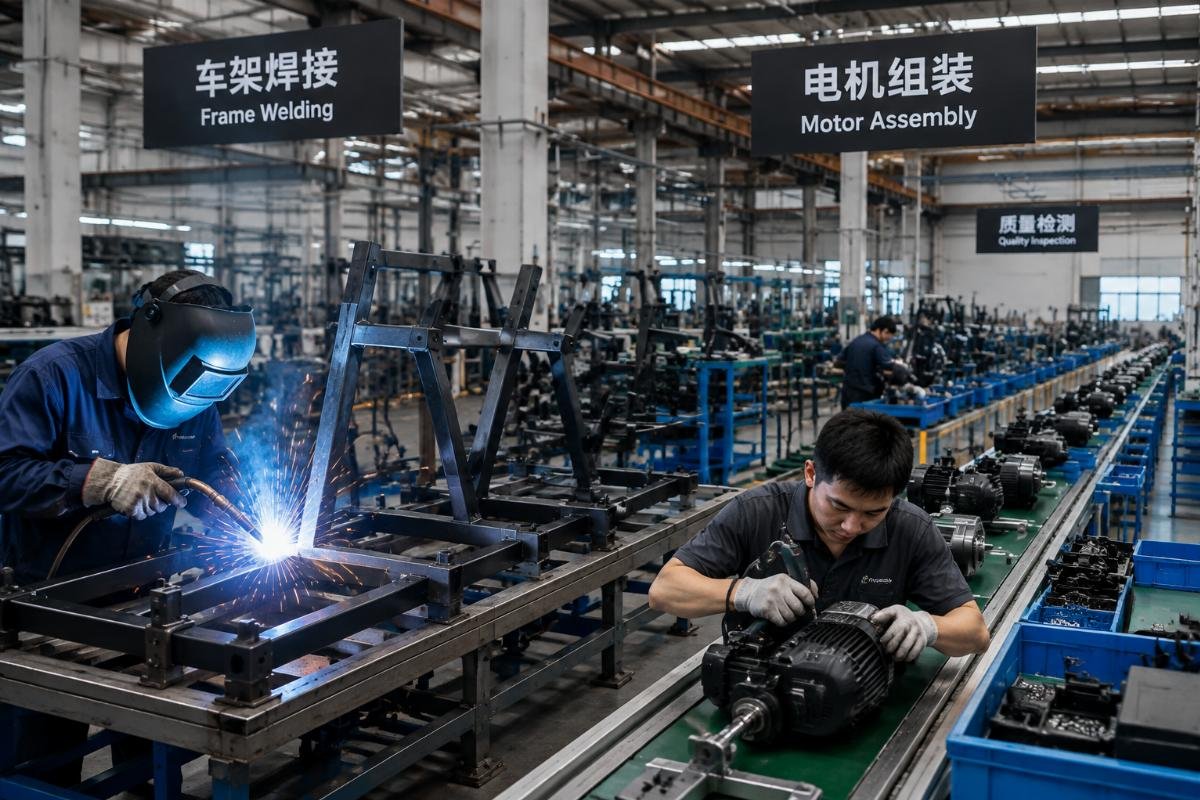
When I source a commercial barbell set through a manufacturer who controls their own steel specification and tolerance verification, the unit price is higher on paper. But the total cost of ownership—factoring in zero returns, zero emergency freight, and multi-year service life—comes out substantially lower. The manufacturer I work with now provides full material certifications, third-party test reports, and the flexibility to consolidate bars, plates, and racks into a single container shipment, which cuts logistics cost per unit noticeably compared to ordering from multiple vendors.
How to Structure Your Order for Best Value and Logistics?
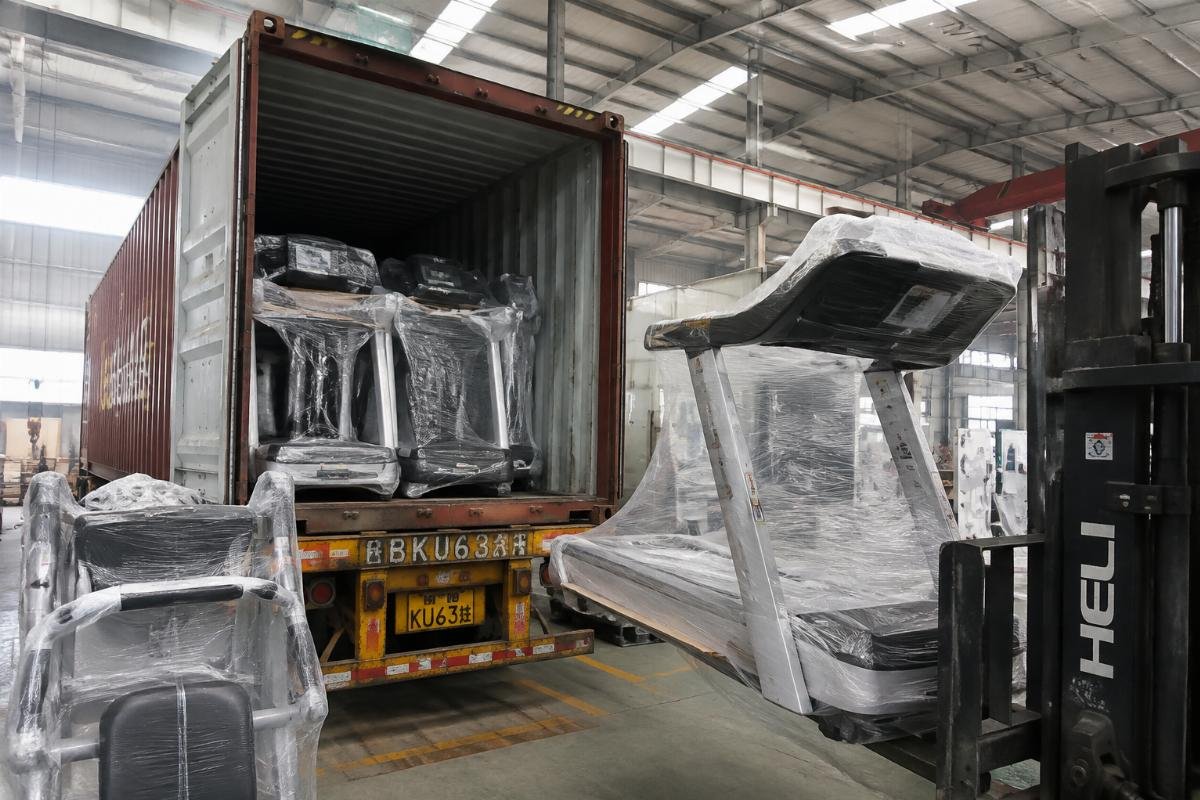
Consolidate bars, plates, racks, and accessories into a single container order to maximize cubic utilization and unlock better unit pricing from the manufacturer.
Ordering a commercial barbell set in isolation is rarely the most efficient approach. The shipping cost per kilogram of dense steel products is heavily influenced by how well you fill the container. Here is how experienced buyers structure their orders:
Mix High-Density and High-Volume Items
Bars and plates are dense and heavy—they hit weight limits before filling the container’s cubic space. Racks, benches, and functional training accessories are lighter but voluminous. Combining them in a single shipment maximizes both weight and volume utilization, bringing the effective logistics cost per item down significantly.
Negotiate Package Pricing, Not Item Pricing
Manufacturers who offer full turnkey gym packages—cardio, strength, free weights, flooring—can price more aggressively when they know the entire order is going to one facility. Ask for a consolidated package quote rather than line-item quotes, and compare the total landed cost including freight.
Plan for OEM Branding at the Package Level
If you are a distributor building your own brand, applying your logo and custom packaging across an entire container of mixed equipment is far more cost-effective than branding individual SKUs across multiple small orders. A manufacturer with in-house OEM capability can handle custom color schemes, laser etching, and retail packaging within the same production run.
Build Spare Parts Into the Initial Order
Collars, sleeve end caps, and replacement bushings are cheap to add to a full container but expensive to ship later as small parcels. Including a spare parts allowance in your initial order protects your operational uptime for years.
I have structured container loads for gym projects across the Middle East and Africa where the client needed everything from treadmills to bumper plates in one shipment. The manufacturers who could consolidate production and loading—rather than forcing the buyer to coordinate five separate suppliers—delivered lower total cost and simpler customs clearance every time.
Conclusion
A commercial barbell set is a precision-engineered tool, not a commodity—procure it by verifying steel grade, tolerance, and fatigue performance, not by comparing price-per-kilo.
The buyers who avoid costly mistakes are the ones who ask for material certificates, run their own drop tests, and consolidate their orders into full container packages from a single capable manufacturer. The initial effort to vet specs properly pays for itself many times over in avoided returns, zero emergency freight, and years of reliable service on the gym floor.