OEM Power Rack Wholesale Supplier for Switzerland Market
Most buyers assume "matte black" is a universal standard; in reality, it shifts dramatically under different Kelvin temperatures, requiring physical sign-off rather than digital approval.
Sourcing power racks for the Swiss market demands more than competitive pricing; it requires precise aesthetic validation under local lighting conditions and strict adherence to EU safety standards to avoid hidden rework costs. An OEM Power Rack Wholesale Switzerland strategy must prioritize verified technical files for CE compliance and reinforced logistics protocols to protect premium finishes during long-haul transit to Central Europe.
I still remember the silence in the warehouse when the container doors opened in Zurich. The client, a boutique studio owner with an eye for detail, had ordered a batch of custom power racks with matte black powder coating and raw wood side rails. On paper, the specs were perfect. In the factory showroom under bright LED lights, they looked flawless. But under the north-facing natural light of his studio, the black finish carried a subtle blue tint that clashed violently with the warm oak flooring. The entire batch was rejected. The cost of return shipping and repainting erased the margin from the whole order. That incident changed how I approach every single request for an OEM Power Rack Wholesale Switzerland project. It is not enough to match a Pantone code on a screen. You must understand the environment where the equipment will live.
This guide breaks down the specific hurdles of supplying strength equipment to the Swiss market. It moves beyond basic pricing to address the tactile, visual, and regulatory expectations that define successful partnerships in this region.
Why Do Standard OEM Processes Fail in the Swiss Market?
The core failure point for many suppliers is treating aesthetic precision as secondary to structural integrity. In many markets, a slight variation in color or texture is acceptable if the frame is solid. In Switzerland, particularly for high-end boutique studios and luxury hotel gyms, the visual integration of fitness equipment into the interior design is non-negotiable.
The issue often lies in the lighting. Factory floors typically use high-Kelvin industrial lighting, which can mask warmth or coolness in powder coatings. A finish that appears neutral in Shandong may appear greenish or purplish under the specific ambient light of a Zurich or Geneva facility. [NEED_CITE: impact of lighting temperature on color perception in industrial finishes]
Furthermore, the tactile expectation of European users differs from other regions. There is a preference for smoother, more refined powder coat textures that feel premium to the touch, rather than the rougher, industrial-grade textures often used for durability in heavy-duty commercial gyms elsewhere. This requires a adjustment in the spraying process, balancing micron thickness for corrosion resistance with a smoother surface profile for aesthetics.
When sourcing an OEM Power Rack Wholesale Switzerland, buyers must recognize that the "standard" option is rarely sufficient. The gap between a functional rack and a premium product lies in these subtle details. Ignoring them leads to the kind of costly rejections that damage long-term business relationships.
How to Specify Finishes That Match Your Studio’s Ambiance?
To avoid the lighting mismatch trap, the specification process must move from digital to physical. Relying on digital proofs or even small sample cards sent via courier is risky because they are often viewed under inconsistent lighting conditions by both parties.
The most effective method is to require physical color boards approved under the actual facility lighting. This involves sending larger metal plates with the exact powder coat batch to the client’s site. The client then signs off on the color and texture after viewing it at different times of day. This step adds time to the pre-production phase but eliminates the risk of bulk rejection.
| Specification Factor | Standard Industrial Approach | Premium Swiss Market Requirement |
|---|---|---|
| Color Approval Method | Digital Pantone Reference | Physical Board Sign-off On-Site |
| Powder Coat Texture | Rough/Orange Peel for Durability | Smooth/Satin for Tactile Feel |
| Lighting Context | Factory LED Only | Client Site Natural & Artificial Light |
| Tolerance Level | Visible Variation Acceptable | Near-Zero Visual Deviation |
[NEED_CITE: industry standards for powder coating application thickness and texture]
In addition to color, the thickness of the coating matters. While thicker coats offer better protection, they can look bulky and obscure the sharp lines of modern rack designs. For the Swiss market, a balanced approach is needed—enough thickness to prevent chipping during assembly and use, but thin enough to maintain crisp edges. This balance is a hallmark of a reliable OEM Power Rack Wholesale Switzerland partner who understands the aesthetic demands of the region.
What Are the Non-Negotiable CE Compliance Requirements?
Many buyers mistakenly believe that CE marking is simply a label applied to the product. In reality, it represents a comprehensive declaration of conformity with EU health, safety, and environmental protection standards. For machinery like power racks, this involves rigorous technical documentation and load testing.
The EU Machinery Directive requires that manufacturers maintain a technical file that includes design calculations, risk assessments, and test reports. This file must be available for audit by local authorities. [NEED_CITE: EU Machinery Directive requirements for fitness equipment] Simply having a CE sticker without the supporting documentation is a legal liability for distributors and end-users in Switzerland.
Key elements of valid CE compliance include:
- Verified Load Test Data: Proof that the rack has been tested to withstand loads significantly higher than its rated capacity.
- Risk Assessment Documentation: A detailed analysis of potential hazards and the measures taken to mitigate them.
- Material Certifications: Proof that the steel used meets specific grade requirements for strength and durability.
When evaluating an OEM Power Rack Wholesale Switzerland supplier, ask to see the technical file structure. A reputable manufacturer will provide detailed CE certificates and test reports without hesitation. This transparency is crucial for avoiding customs delays and ensuring that the equipment can be legally installed and insured in Swiss facilities.
Which Structural Specs Define True Commercial Grade?
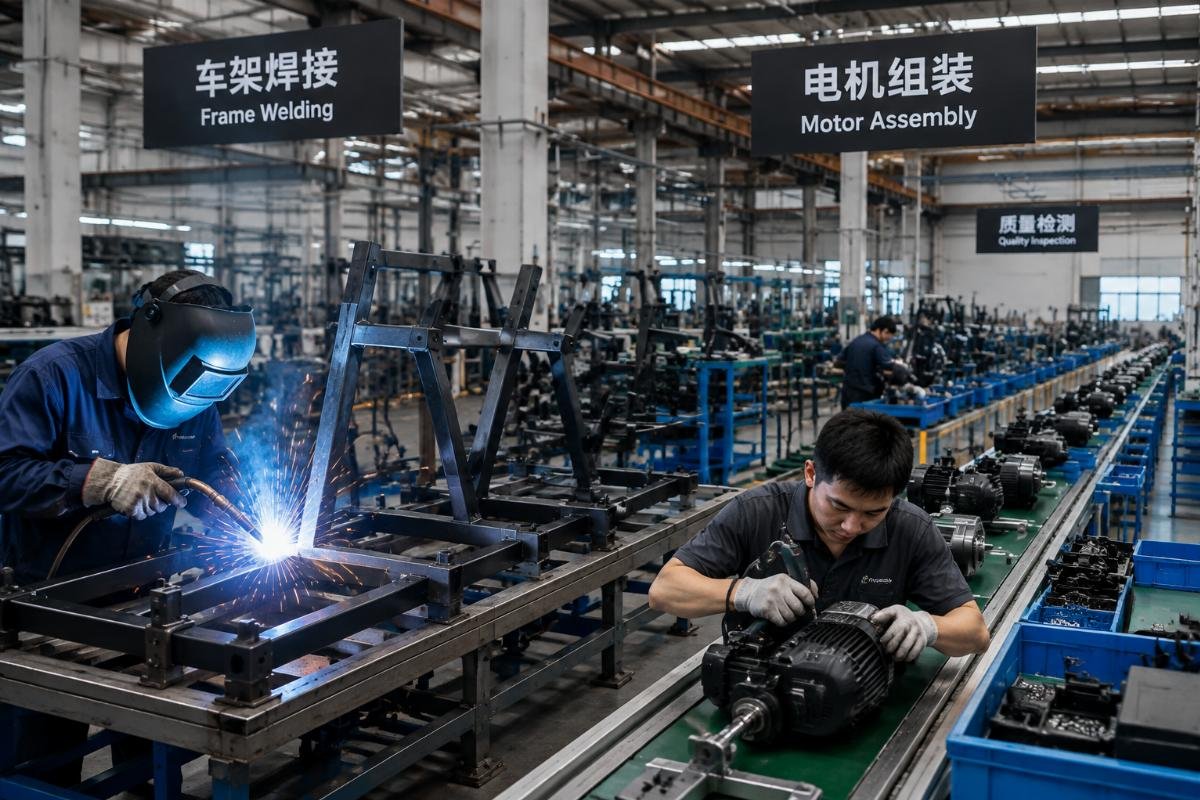
While aesthetics and compliance are critical, the core value of a power rack lies in its structural integrity. For commercial use, especially in high-traffic environments, the gauge of the steel and the quality of the welds are paramount.
A common misconception is that all "commercial grade" racks are built equally. However, there is a significant difference between racks made with thin-walled tubing and those constructed with heavy-gauge steel. For the Swiss market, where longevity and stability are prized, specifications should lean towards the heavier end of the spectrum.
| Structural Component | Basic Commercial Spec | Premium Commercial Spec |
|---|---|---|
| Upright Steel Thickness | Standard Gauge | Heavy Gauge (3mm+) |
| Weld Quality | Visible Bead, Ground Smooth | Seamless Look, Full Penetration |
| Base Stability | Standard Footprint | Reinforced Wide Base |
| Hole Precision | Standard Drilling | Laser-Cut Precision |
[NEED_CITE: structural engineering standards for commercial fitness equipment stability]
Laser-cut holes offer superior precision compared to drilled holes, ensuring that J-hooks and safety bars fit snugly without wobble. This attention to detail enhances the user experience and reduces wear on moving parts. When sourcing an OEM Power Rack Wholesale Switzerland, prioritize suppliers who use laser cutting for hole patterns and have rigorous quality control for weld integrity. These features may not be immediately visible, but they define the long-term performance of the equipment.
How to Mitigate Logistics Risks for Heavy Strength Equipment?
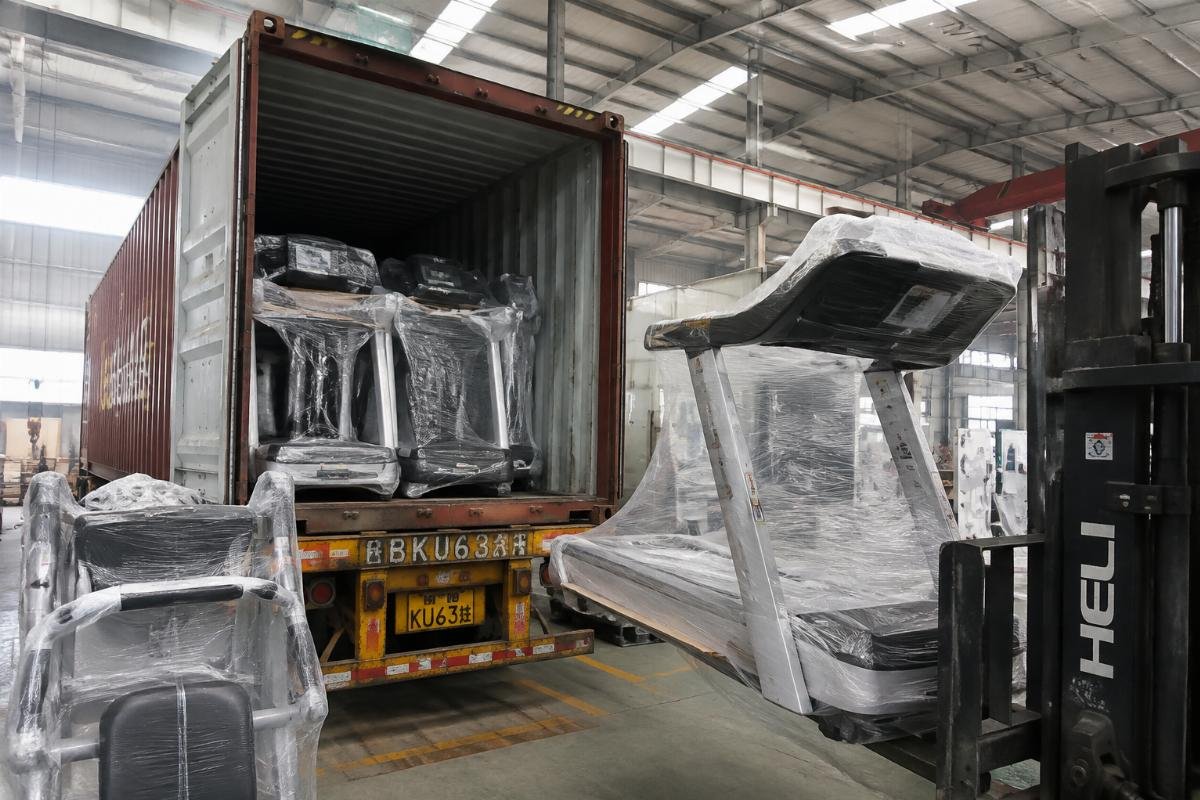
Shipping heavy fitness equipment from China to Central Europe involves multiple handling points, each posing a risk of damage. Surface scratches, dents, and bent frames are common issues that can ruin the unboxing experience for high-end clients.
Standard export packaging often falls short for premium products. To mitigate these risks, reinforced packaging protocols are essential. This includes using thicker cardboard, custom foam inserts to protect corners and finished surfaces, and wooden crates for maximum protection during ocean freight and inland transport.
Investing in better packaging increases the upfront cost but significantly reduces the rate of claims and replacements. For a Swiss buyer, receiving damaged goods is not just an inconvenience; it is a breach of trust that can jeopardize future business. A reliable OEM Power Rack Wholesale Switzerland partner will proactively suggest enhanced packaging options based on the final destination and mode of transport.
Additionally, consolidating container loads efficiently can reduce the number of shipments and thus the exposure to logistical risks. Working with a manufacturer who offers turnkey gym packages allows for better coordination of shipping and ensures that all components arrive together, simplifying the installation process.
Conclusion
Success in the Swiss fitness equipment market hinges on precision, compliance, and proactive risk management.
Sourcing an OEM Power Rack Wholesale Switzerland requires a shift from price-focused buying to value-driven partnership. By validating finishes under real-world lighting, ensuring robust CE documentation, specifying heavy-gauge structural components, and investing in reinforced logistics, buyers can secure high-quality equipment that meets the exacting standards of Swiss consumers. This approach minimizes hidden costs and builds a foundation for long-term commercial success.