Commercial Gym Equipment for Pakistan Market: Wholesale Supplier Guide
Most gym owners in Pakistan lose money not on the equipment price, but on the port delays that follow.
The real answer to sourcing commercial gym equipment for Pakistan is this: prioritize tube wall thickness, full-penetration welding, and CE documentation over the lowest FOB quote. These three factors determine whether your container clears Karachi Port in days or sits for weeks burning through demurrage fees.
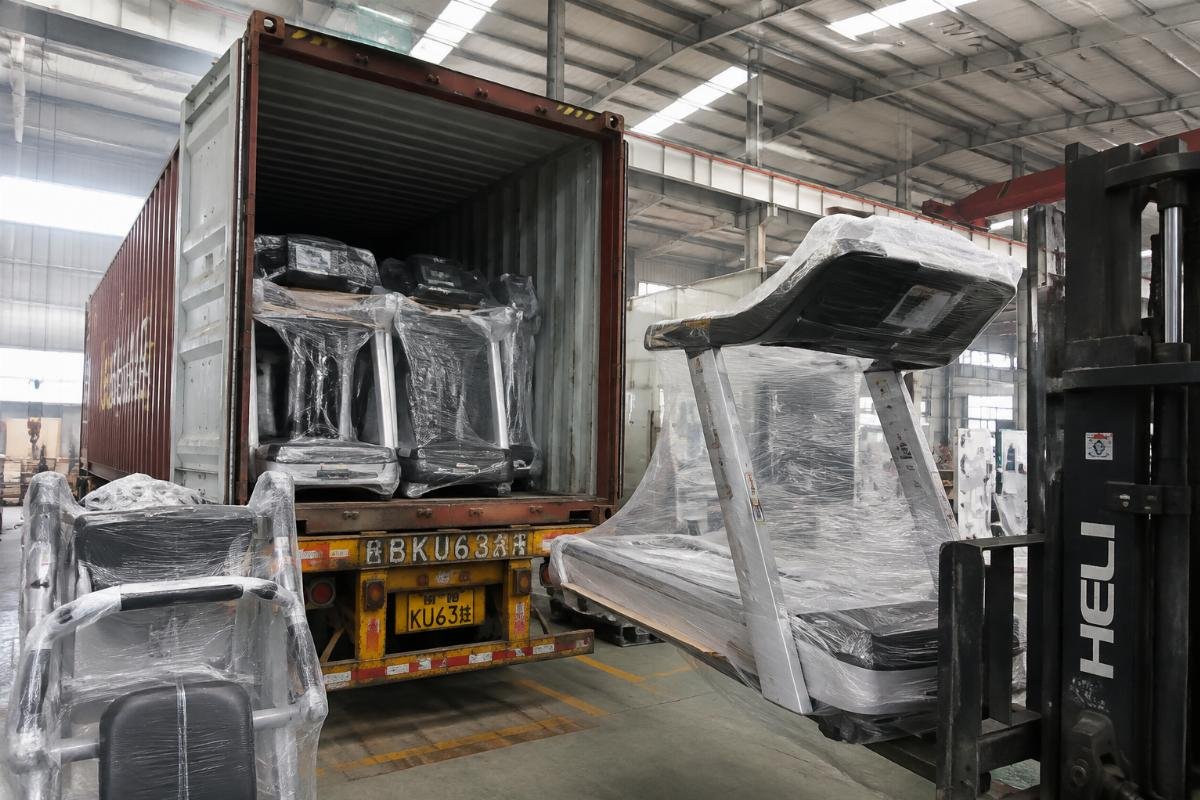
I still remember a shipment that left our facility in Jining for Lahore a couple of years ago. A mid-sized gym owner had ordered a full container of Smith machines and dumbbell sets. He pushed hard on price, and the spec sheet we finalized called for the thinnest wall gauge available on our line. When the container hit Karachi Port, the local inspection authority flagged the load-bearing parameters as non-compliant with the declared specifications. Every day the container sat, the demurrage climbed. By the time we scrambled to prepare supplementary CE documentation and a reinforcement retrofit plan, the extra cost ran into the low thousands of dollars—far more than the original "savings" on steel. That single shipment reshaped how I handle every inquiry from South Asia. If a buyer wants to cut corners on tube thickness, I tell them plainly: the port will charge you back with interest. [NEED_CITE: Pakistan Customs clearance requirements for imported fitness equipment including structural compliance documentation]
Getting the specs right from the start is the only way to avoid that cycle. Let me walk you through what actually matters when you are buying commercial gym equipment for Pakistan, how to structure your package, what the real landed cost looks like, why certifications are non-negotiable, and how to work with Chinese manufacturers on terms that protect your long-term operation.
What Specs Matter Most for Pakistan’s Commercial Gyms?
Tube wall thickness and welding quality are the two specifications that separate equipment that survives a decade in a busy Lahore gym from equipment that starts cracking welds within a year.
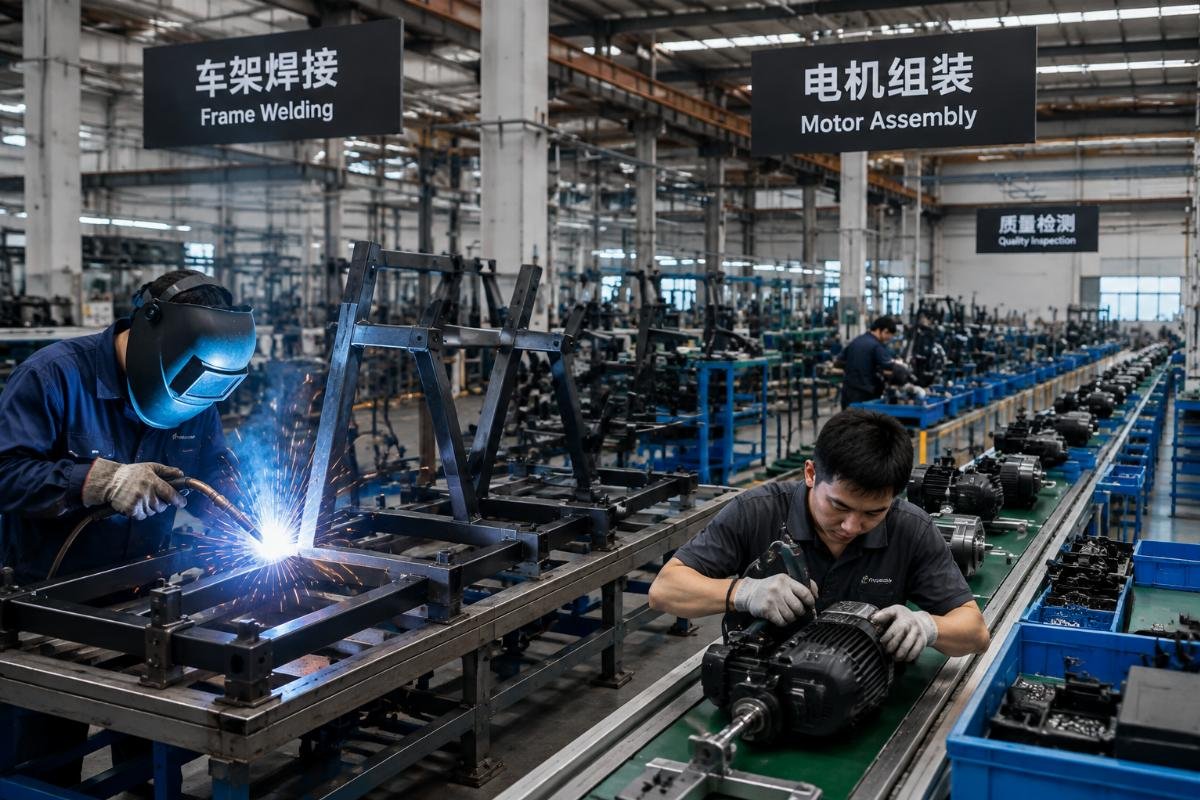
Commercial gym equipment in Pakistan faces heavy daily use, often in environments where humidity and dust accelerate wear. The structural skeleton of any strength machine—whether a Smith machine, power rack, or cable crossover—relies on rectangular steel tubing. The difference between a 2.0 mm wall and a 2.5 mm wall may look small on paper, but under repeated loading from heavy squats or lat pulldowns, the thinner gauge deflects noticeably and fatigues faster. [NEED_CITE: structural load-bearing standards for commercial strength training equipment per EN ISO 20957]
Here is how the key specifications compare across typical procurement tiers:
| Specification | Budget Tier | Commercial-Grade | Premium Export |
|---|---|---|---|
| Tube wall thickness | Basic | Standard | Controlled |
| Welding method | Spot welds | Full penetration | Full penetration with grinding |
| Surface treatment | Powder coat basic | Powder coat with sandblasting | Multi-stage with anti-corrosion primer |
| Load rating documentation | Self-reported | Verifiable | Third-party tested |
| Cable and pulley grade | Basic | Standard | Noticeably extended service life |
A hotel developer in Karachi once fitted a boutique fitness center with budget-tier equipment to minimize upfront spend. Within months, the Smith machine guide rods showed visible bending, and several weld joints on the cable crossover developed hairline cracks. The maintenance cycle became constant. By contrast, a commercial gym chain in Islamabad that specified commercial-grade construction across the board reported maintenance intervals that were substantially longer, and their floor area utilization improved because equipment downtime was rare. [NEED_CITE: failure mode analysis of gym equipment weld joints under cyclic loading]
When you evaluate commercial gym equipment for Pakistan, ask the supplier for the exact tube dimensions and welding process in writing. If the answer is vague, walk away.
How to Choose Between Strength, Cardio, and Free-Weight Packages?
The right equipment mix depends entirely on your gym model, and buying a full container with a consolidated package almost always costs less in freight than ordering by category.
A CrossFit-style studio in Islamabad needs a very different layout from a full-service commercial gym in Faisalabad. The studio prioritizes functional training zones—plyo boxes, battle ropes, kettlebells, and a rig with pull-up stations—while the commercial gym needs a balanced spread of plate-loaded machines, selectorized units, cardio stations, and a dedicated free-weight area. Getting this ratio wrong means wasted floor space and member complaints.
For a typical commercial gym targeting the Pakistani market, a practical allocation looks like this:
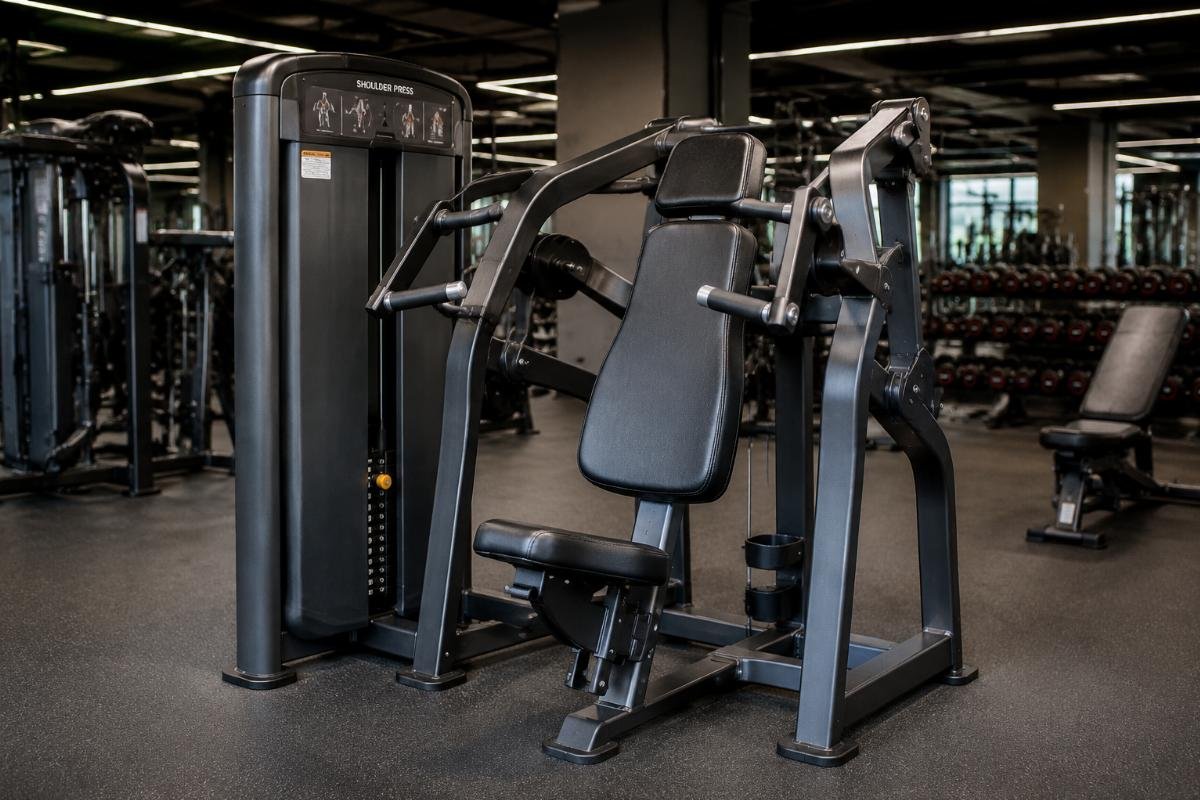
- Strength machines (plate-loaded and selectorized): roughly half the equipment budget
- Cardio equipment (treadmills, ellipticals, spin bikes): roughly a quarter
- Free weights and benches (dumbbells, barbells, plates, racks): roughly a fifth
- Functional training accessories and flooring: the remainder
A distributor in Lahore who regularly imports commercial gym equipment for Pakistan told me that consolidating strength, cardio, and free-weight items into a single full container reduces the per-unit freight cost noticeably compared to ordering separate LCL shipments or single-category containers. The logistics savings alone can offset the difference between a budget spec and a commercial-grade spec on several machines.
For hotel and apartment developers, space is tighter. Compact commercial treadmills and multi-station cable units deliver more functionality per square meter. A developer building a fitness center for a residential tower in Karachi found that switching to a purpose-designed compact package freed up enough floor area to add a dedicated stretching zone, which residents later cited as a top amenity.
What Are the Real Costs of Importing Gym Equipment to Pakistan?
The FOB price your supplier quotes is only the starting point. The true landed cost includes duties, inspection fees, port handling charges, and the very real risk of demurrage if documentation is incomplete.
Many first-time importers of commercial gym equipment for Pakistan focus exclusively on the per-unit factory price. This is a dangerous habit. The gap between FOB and final delivered cost can be substantial once you factor in every line item.
Here is a typical cost structure breakdown:
| Cost Component | Nature |
|---|---|
| FOB equipment price | Base invoice |
| Ocean freight (China to Karachi) | Varies by container type and season |
| Marine insurance | Standard percentage of CIF value |
| Pakistan customs duty | Category-dependent |
| Inspection and compliance fees | Mandatory for fitness equipment |
| Port handling and terminal charges | Fixed and variable components |
| Inland transport to gym site | Distance-dependent |
| Potential demurrage | Risk-based, accumulates daily |
A buyer in Multan once ordered a mixed container of commercial gym equipment for Pakistan and assumed the quoted CIF price was the final number. When the container arrived, unexpected compliance documentation requirements added processing delays, and the inland trucking quote during a fuel price surge ran well above the initial estimate. The final outlay exceeded the original budget by a significant margin. [NEED_CITE: Pakistan import duty structure and customs clearance procedures for fitness and sports equipment]
The lesson is straightforward: request a full landed-cost estimate before you commit, and build a contingency for documentation-related delays. Suppliers who understand the Pakistan market will help you prepare the correct paperwork in advance—this is not a favor, it is basic business sense for both sides.
Why Should You Verify Supplier Certifications Before Ordering?
CE certification is not an optional marketing badge for commercial gym equipment destined for Pakistan. It is, in practice, a mandatory clearance document at Karachi Port.
This is the single most misunderstood point among new importers. Many assume that CE marking is a European requirement with no bearing on South Asian shipments. The reality on the ground is different. Pakistani port inspection authorities routinely require CE documentation as part of the conformity assessment for imported fitness equipment. Without it, your container does not clear.
The certification stack you should expect from a credible supplier of commercial gym equipment for Pakistan includes:
- CE certification covering the full product range shipped
- Material test reports for steel tubing and welding consumables
- Load testing records for each machine model
- Third-party inspection reports where applicable
A gym owner in Rawalpindi learned this the hard way. He placed an order with a factory that could not produce valid CE paperwork at shipment time. The factory promised to "sort it out later." The container sat at port for weeks. The demurrage bill grew into a mid-four-figure sum in dollars, and the owner eventually had to pay for expedited certification processing on top. The total extra cost dwarfed whatever he thought he saved by choosing a cheaper supplier. [NEED_CITE: Pakistan Standards and Quality Control requirements for imported gym and fitness equipment]
Always verify certifications before production begins, not after the container is on the water. Ask for copies of the actual certificates with your company name or product model listed, not generic templates. A reliable manufacturer will provide these without hesitation.
How to Negotiate MOQ and After-Sales Support with Chinese Manufacturers?
Flexible MOQ and a clear after-sparts commitment matter far more than a slightly lower unit price when you are importing commercial gym equipment for Pakistan over the long term.
Chinese fitness equipment manufacturers range from large factories with full OEM and ODM capability to small workshops that can only offer spot stock. For a Pakistani buyer planning to build a brand or supply multiple gym projects, the right manufacturing partner must offer three things:
- MOQ flexibility that lets you start with a trial order and scale to full containers
- OEM branding services including custom color schemes, logo plates, and packaging
- A documented spare parts supply chain with responsive technical support
A distributor based in Karachi who imports commercial gym equipment for Pakistan across multiple regions started with a single trial container to test market response. The supplier provided a complete spare parts list with the shipment—cables, pulleys, seat cushions, adjustment knobs—and committed to a response window for technical queries. When a batch of treadmills needed console replacements a year later, the parts arrived quickly, and the distributor avoided weeks of downtime. That level of after-sales infrastructure is what turns a one-time purchase into a lasting supply relationship.
When negotiating, focus on these points:
- Confirm spare parts availability for every SKU, not just the hero products
- Request a written technical support response commitment
- Clarify warranty terms and the process for claiming replacements
- Discuss container consolidation options if you are mixing product categories
Conclusion
Specs, documentation, and after-sales structure determine the real cost of commercial gym equipment for Pakistan—not the factory quote alone.
Tube wall thickness and welding quality set the durability baseline. A well-balanced equipment package optimized for your gym model saves freight and floor space. Understanding the full landed cost prevents budget shocks at Karachi Port. CE certification is a clearance requirement, not a luxury. And flexible MOQ with reliable spare parts support protects your operation for years, not just weeks. Get these five areas right, and the equipment price becomes the least interesting part of the conversation.