Buy OEM Custom Smith Machine Wholesale Manufacturer
The cheapest quote on a Smith machine often costs the most once it reaches the port.
Buying a custom OEM Smith machine requires matching frame tube thickness, linear bearing travel, and loading plans to your actual use case — not just picking the lowest FOB price. Frame integrity, rail smoothness, and container optimization determine whether your investment survives transit and delivers years of service.
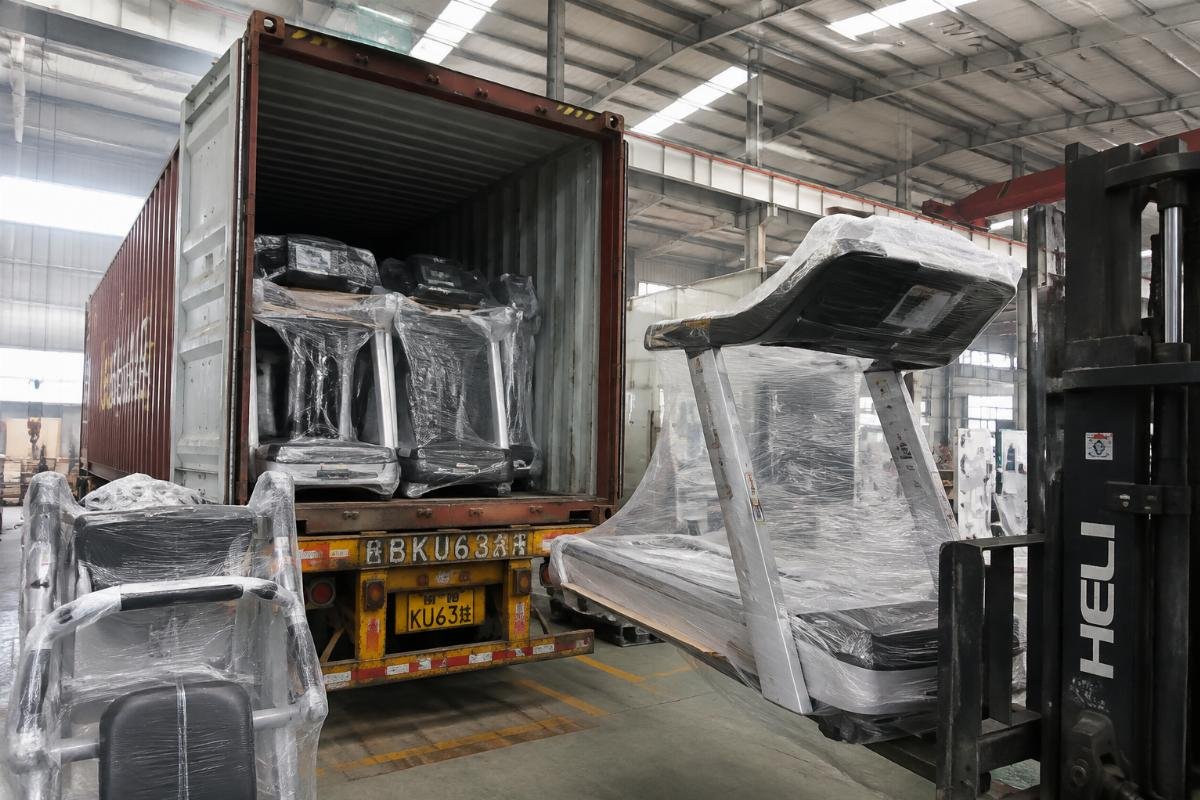
I learned this the hard way at Yantian Port years ago. A private studio in Riyadh ordered three Smith machines for a 40HQ container. The client arranged their own forwarder, and I didn’t insist on controlling the loading sequence. When the container arrived at Jeddah, the frames had compressed against each other during ocean transit — the guide rails bent, the linear bearings seized, and the client refused the shipment. The loss covered freight, cargo value, and rework costs many times over any price difference we’d saved on the initial quote [NEED_CITE: damage patterns in heavy fitness equipment during ocean freight]. Since then, I’ve made it a non-negotiable rule: for Smith machines and any heavy strength equipment, I produce the loading plan myself and send it to the forwarder before a single unit rolls into the container.
Specs, bearings, and loading protocols — these are the variables that separate a machine that performs for a decade from one that arrives damaged or wears out in months. Let’s walk through exactly what matters.
What Specs Matter Most When Buying a Custom Smith Machine?
Frame tube thickness, guide rail travel distance, and linear bearing type determine long-term durability — not the brand sticker on the side panel.
When gym owners and distributors request a custom OEM Smith machine, the first instinct is to compare unit prices. But price differences between suppliers often reflect genuine differences in steel gauge, bearing quality, and structural engineering. Here’s what actually separates a commercial-grade machine from a light-duty one:
| Specification | Light-Duty / Home Grade | Commercial Grade |
|---|---|---|
| Frame tube wall thickness | Thin-walled | Heavy-gauge reinforced |
| Guide rail travel | Short stroke | Extended stroke with full range |
| Linear bearing type | Basic bushing | Precision linear bearing |
| Safety catch system | Pin-lock only | Multi-point adjustable hooks |
| Weight stack compatibility | Limited | Full plate-load or selectorized |
| Weld quality | Spot-check | Continuous full-penetration |
[NEED_CITE: structural load requirements for commercial strength training equipment per EN 957 / ISO 20957]
A distributor in West Africa once compared two quotes side by side. Supplier A offered a noticeably lower price. Supplier B’s price was higher, but the frame used heavier-gauge steel and the guide rails had a longer travel stroke. The distributor ordered samples from both. After six months of real-world testing in a commercial gym environment, Supplier A’s machine showed visible frame flex under heavy loads, and the linear bearings developed play. Supplier B’s unit ran smoothly with zero perceptible wear. The distributor placed a full container order with Supplier B and built a private-label brand around that spec.
The lesson: tube thickness directly affects how the frame handles dynamic loads — especially during eccentric movements and heavy squats where forces multiply. Guide rail travel must match the intended user demographic; a shorter stroke might work for a home gym but frustrates taller athletes in a commercial setting. And linear bearing type dictates smoothness and maintenance intervals over the machine’s service life [NEED_CITE: linear motion bearing selection criteria for heavy-load fitness applications].
How to Verify an OEM Smith Machine Supplier’s Capability?
Request loading plans, weld inspection photos, and sample operation videos before committing to any bulk order.
Anyone can publish a product catalog with glossy renders. The real test of a custom OEM Smith machine supplier is whether they can demonstrate manufacturing control, quality documentation, and logistical competence. Here’s the verification checklist I recommend:
- Loading plan documentation: Ask for a detailed container loading diagram showing unit placement, bracing points, and weight distribution. A supplier who can’t produce this hasn’t shipped enough units to know the risks.
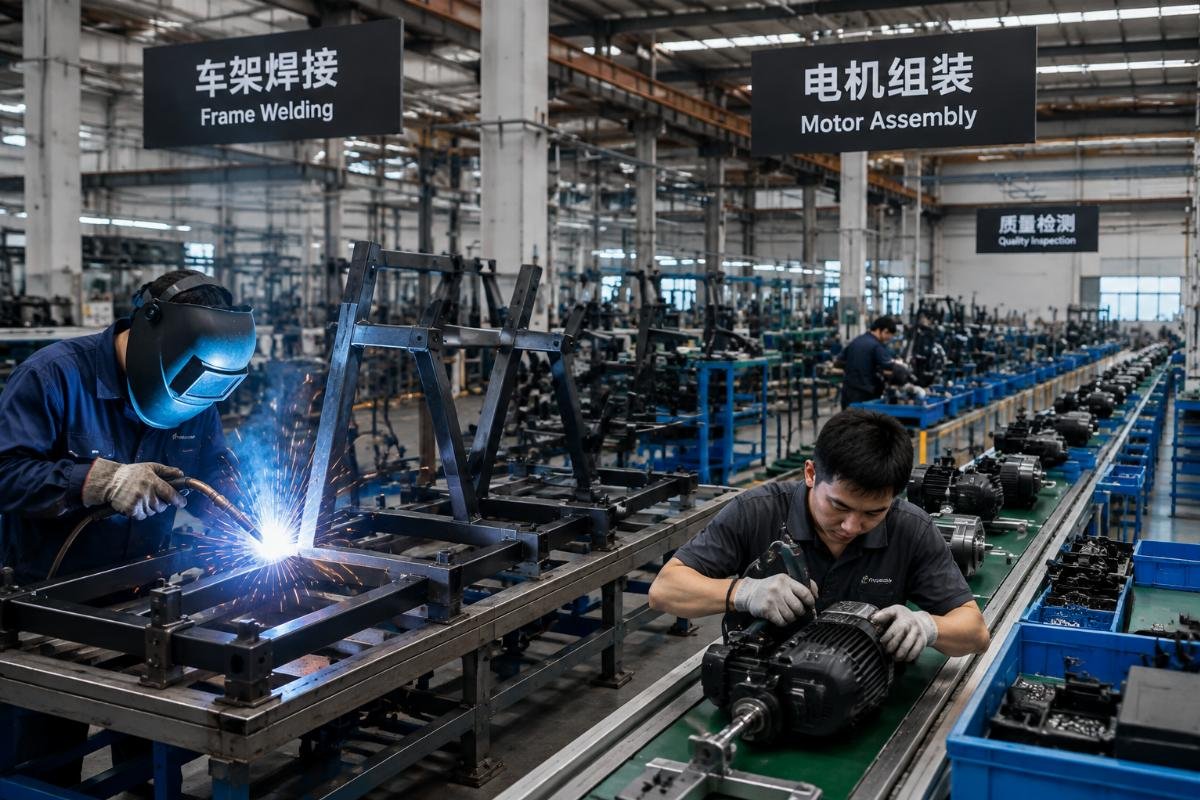
- Weld inspection records: Request photos of internal weld joints — not just external cosmetic shots. Continuous welds at stress-bearing junctions indicate proper fabrication; spot welds at critical joints signal cost-cutting.
- Sample operation video: Ask for a video of the actual production unit being loaded and operated — not a render or animation. Listen for bearing noise, watch for rail wobble, and check bar path smoothness.
- Certification documentation: CE marking compliance for the European market, or relevant safety certifications for your target region, should be verifiable with test reports — not just a logo on a brochure [NEED_CITE: fitness equipment safety certification requirements by major import market].
- Reference clients: Ask for case studies or testimonials from buyers in your region. A supplier serving established gym chains or distributors across multiple regions has passed real-world validation.
A boutique studio operator in the Middle East was evaluating suppliers for a full strength line. One factory sent polished marketing materials but couldn’t provide a loading plan or weld photos. Another factory sent a video of their Smith machine being loaded to near-maximum capacity, showed internal weld close-ups, and provided a container loading diagram with bracing specifications. The operator chose the second factory — and later told me that the transparency alone justified the slightly higher price.
What Are the Common Shipping Risks and How to Avoid Them?
Improper container loading causes frame deformation and rail misalignment — always control the loading plan yourself, even when the buyer arranges their own forwarder.
This is the single most underestimated risk in international fitness equipment trade. Smith machines are heavy, asymmetrical, and have precision guide rails that must remain perfectly aligned. A container loaded without proper planning will shift during ocean transit — especially in rough seas — and the resulting compression can bend frames, crack welds, and destroy linear bearing alignment.
The core principle: the party who understands the product must control the loading plan. If the buyer’s forwarder loads the container without product-specific guidance, the risk falls entirely on the seller. I’ve seen this pattern repeat across multiple markets:
- A gym owner in Latin America arranged their own forwarder. The forwarder loaded three Smith machines vertically without cross-bracing. Two arrived with bent guide rails.
- A distributor in Southeast Asia received a mixed container — Smith machines stacked on top of plate-loaded equipment without load distribution planning. The bottom units suffered frame compression.
- A studio in Eastern Europe had machines loaded loosely in a partially filled container. During transit, units shifted and collided, damaging safety catch mechanisms.
[NEED_CITE: best practices for loading heavy fitness equipment in ocean freight containers]
The prevention protocol is straightforward:
- Produce a loading plan before the container is sealed: Show exact unit placement, bracing locations, weight distribution, and empty space management.
- Use internal bracing and blocking: Steel frames should be secured with timber bracing and ratchet straps at designated anchor points — not just wedged against container walls.
- Protect guide rails specifically: Rail surfaces must be wrapped or shielded to prevent contact damage during loading and transit.
- Photograph the loaded container before sealing: This creates a record and allows remote verification by the buyer.
- Communicate the plan to the forwarder in writing: Don’t assume the loading crew knows how to handle fitness equipment. Send the diagram and confirm receipt.
When I took over loading plan control for every Smith machine shipment after the Jeddah incident, damage claims dropped to near zero. The cost of producing a loading plan is negligible compared to the cost of a rejected container.
How to Structure Your First OEM Order for Minimum Risk?
Start with a small MOQ batch to validate market response, then scale to full containers once product-market fit is confirmed.
For distributors and gym owners sourcing a custom OEM Smith machine for the first time, the temptation is to order a full container immediately to maximize per-unit savings. But this approach carries significant risk: you haven’t validated product quality in your specific market, you haven’t tested customer response to your branding, and you haven’t confirmed that the supplier’s logistics chain works smoothly end-to-end.
A more disciplined approach:
Phase one — sample validation: Order one or two units with your full custom specifications — your logo, your color scheme, your preferred safety catch type, your plate-load or selectorized configuration. Test these units in a real gym environment for several weeks. Gather user feedback. Inspect for wear patterns. Confirm that the supplier’s documentation, packaging, and communication meet your standards.
Phase two — small batch market test: Place an order for a partial container — enough units to supply a few partner gyms or retail locations. This validates demand, tests your supply chain timing, and reveals any quality consistency issues across a small production batch. Use this phase to refine your branding, packaging, and marketing materials.
Phase three — full container scale-up: Once market response is confirmed and the supplier relationship is proven, commit to full container loads. At this stage, you can negotiate better pricing, optimize your product mix, and establish regular shipment schedules.
A distributor in East Africa followed exactly this sequence. They started with a small batch of branded Smith machines, validated demand across several gym partners, and within a few months placed their first full container order. The initial small batch cost slightly more per unit, but it prevented the far larger risk of committing to a full container of product that might not sell — or might arrive with quality issues that only become apparent under real-world use.
This phased approach works because it aligns capital commitment with market validation. It also gives the supplier time to fine-tune production to your specific requirements — color matching, packaging customization, and accessory compatibility all improve with iteration [NEED_CITE: OEM order structuring strategies for fitness equipment importers].
Conclusion
Buying a custom OEM Smith machine is an engineering and logistics decision — not just a price comparison. Frame specifications, bearing quality, loading protocols, and order structuring all determine whether your investment performs in the field or becomes an expensive lesson. Validate specs against your actual use case, verify supplier capability through documentation rather than marketing, control your own loading plan, and phase your orders to match market validation with capital commitment.