Commercial Ladder Barrel Wholesale Supplier | Bick Factory Direct
The cheapest quote is often the most expensive mistake in commercial fitness procurement.
A reliable Best Ladder Barrel Wholesale Supplier is defined not by the lowest unit price, but by verified structural integrity under dynamic fatigue loads and adherence to EN20957 safety standards. Buyers must prioritize suppliers who provide non-destructive testing reports for weld joints and conduct dual static-dynamic load verification before shipment, ensuring equipment withstands high-intensity commercial use without catastrophic failure.
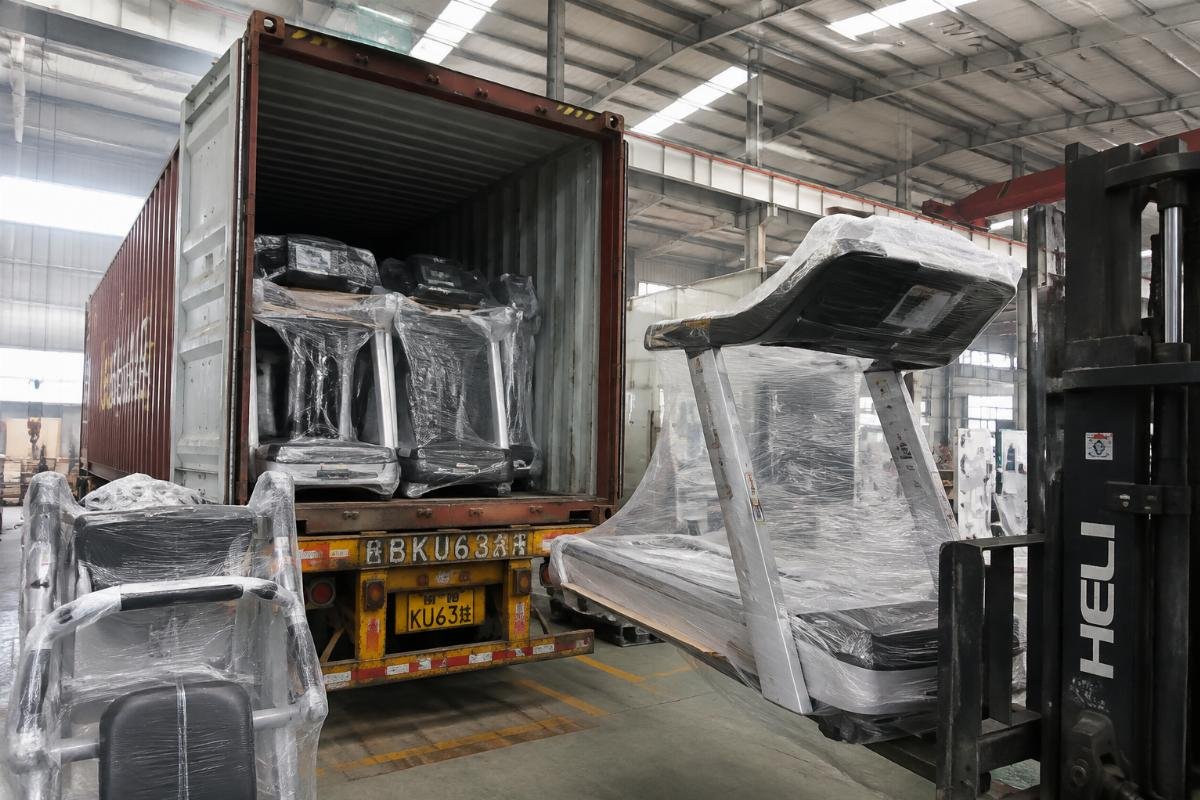
I still remember the silence in the warehouse in Riyadh when the container doors opened. It wasn’t the usual excitement of a new gym launch. The foreman pointed to a hairline crack running through the base joint of a ladder barrel. A coach had attempted a simple L-sit, and the steel frame had surrendered. That shipment was sourced from a factory that promised heavy-duty construction but skipped the fatigue testing phase to cut costs. The financial loss from return shipping and insurance claims was substantial, but the reputational damage with the client was irreversible. This experience reshaped how I evaluate manufacturing partners. It is not about how thick the steel looks; it is about how the metal behaves under repeated stress cycles. [NEED_CITE: common failure modes in welded fitness equipment structures]
Understanding why these failures happen requires looking beyond the surface finish. Most buyers focus on powder coating quality and foam density, yet the core liability lies in the metallurgical bond at stress points. When a supplier cuts corners on welding protocols or skips post-weld heat treatment, the structural memory of the steel is compromised. This is where the distinction between a trading company and a true manufacturer becomes critical. A genuine partner understands that commercial grade means surviving thousands of repetitions, not just holding weight statically for a photo shoot.
Why Do Cheap Ladder Barrels Fail in Commercial Gyms?
Visual appeal masks structural weakness until the moment of failure.
Commercial gyms subject equipment to dynamic loads that far exceed static body weight. A user performing a dynamic roll-up or a controlled descent generates force multipliers that stress the connection points between the ladder rungs and the main frame. Cheap manufacturers often use intermittent welding or fail to grind welds smooth, creating stress concentrators where cracks initiate. [NEED_CITE: physics of dynamic load multiplication in functional training equipment]
| Failure Point | Root Cause | Visual Indicator | Structural Risk |
|---|---|---|---|
| Base Joint Crack | Insufficient weld penetration | Hairline fracture near floor contact | Catastrophic collapse during use |
| Rung Detachment | Poor fit-up tolerance | Wobble or gap between rung and frame | Sudden release of user support |
| Frame Warping | Inadequate steel grade | Visible bend in main arch | Loss of structural alignment |
| Bolt Shear | Low-grade fasteners | Stripped threads or broken heads | Component separation |
A Middle East distributor once rejected a full container because three units showed micro-fractures after a basic load test. The factory had used high-carbon steel without proper tempering, making the welds brittle. The cost of rework and delayed launch exceeded the initial savings from choosing the lower-priced vendor. This is why a Best Ladder Barrel Wholesale Supplier must demonstrate control over the entire fabrication process, from raw material selection to final assembly. [NEED_CITE: impact of heat treatment on weld toughness in carbon steel]
The key is consistency. A single unit might pass inspection, but a batch of fifty requires rigorous quality control protocols. Suppliers who rely on spot checks rather than batch-level testing expose buyers to unpredictable risk. The goal is to eliminate variance, ensuring every unit leaving the factory meets the same high standard of durability.
What Certification Actually Matters for Wholesalers?
CE marking alone does not guarantee commercial durability.
Many buyers assume that a CE certificate is sufficient proof of quality. However, CE compliance can be self-declared for certain categories, meaning the manufacturer asserts conformity without third-party verification. For commercial fitness equipment, the relevant standard is EN20957, which specifies safety requirements and test methods for stationary training equipment. [NEED_CITE: EN20957 standard requirements for structural stability]
A credible supplier will provide test reports from accredited laboratories that verify compliance with these specific clauses. These reports detail the results of static load tests, where the equipment is subjected to forces significantly higher than normal use, and dynamic fatigue tests, which simulate years of usage in a compressed timeframe. Without these documents, a CE mark is merely a label, not a guarantee.
| Certification Type | Verification Method | Reliability for Commercial Use |
|---|---|---|
| Self-Declared CE | Manufacturer internal check | Low |
| Third-Party CE | External audit report | Medium |
| EN20957 Certified | Accredited lab test report | High |
| ISO 9001 Factory | Quality management system audit | Medium-High |
When evaluating a Best Ladder Barrel Wholesale Supplier, ask for the actual test report, not just the certificate number. Look for details on the test setup, the load applied, and the number of cycles performed. A supplier confident in their product will share this data transparently. Those who hesitate may be hiding gaps in their compliance strategy. [NEED_CITE: difference between self-declaration and notified body certification in EU]
This level of documentation protects both the buyer and the end-user. In the event of an incident, having verifiable proof of compliance is essential for liability defense. It also signals to gym owners that the equipment is built to last, enhancing the perceived value of the facility.
How to Vet a Supplier Beyond the Price Quote?
Request evidence, not assurances.
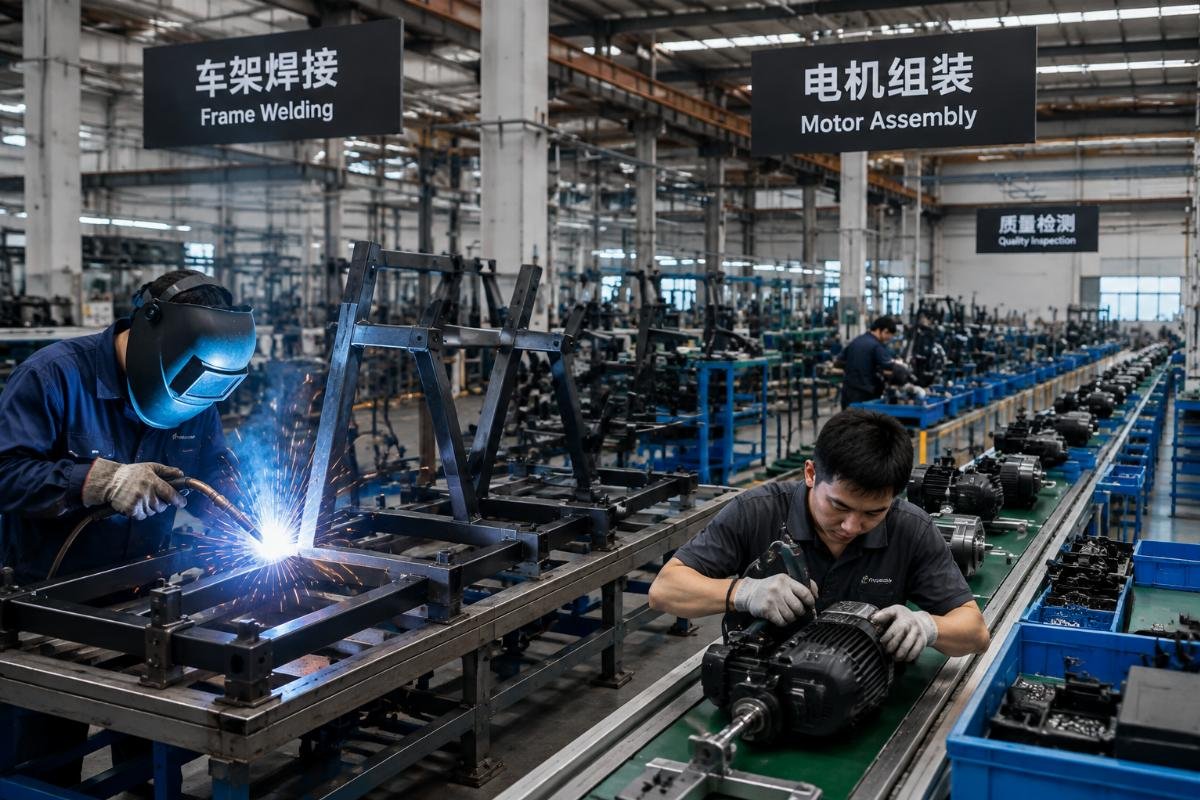
Price is a visible metric; quality is hidden until tested. To identify a true partner, buyers must dig into the manufacturing process. Start by asking for video evidence of the production line, specifically focusing on the welding and assembly stages. Look for robotic welding arms or skilled welders using jigs to ensure consistency. Manual welding without fixtures often leads to dimensional inaccuracies and weak joints.
Next, inquire about the testing protocol. A robust supplier will perform both static and dynamic tests on a sample basis from each production batch. Some premium manufacturers, like Bick, implement dual static and dynamic fatigue tests on every unit before export to ensure zero defect rates for wholesale partners. This practice eliminates the gamble of receiving a defective unit in a large shipment. [NEED_CITE: industry best practices for pre-shipment quality control in fitness equipment]
| Vetting Question | Desired Response | Red Flag |
|---|---|---|
| "Can you share recent test reports?" | Immediate provision of detailed PDFs | Hesitation or vague references |
| "How do you handle weld inspection?" | Description of NDT or visual QA steps | "We check them visually" only |
| "What is your defect rate?" | Transparent discussion of QA metrics | Claim of "zero defects" without data |
| "Do you offer spare parts?" | Detailed list of available components | "Buy a new unit if it breaks" |
A boutique studio owner once chose a supplier based on their willingness to provide dynamic fatigue test reports. The equipment arrived silent and stable, earning praise from high-end clients for its solid feel. This attention to detail translated directly into brand reputation and customer retention. Conversely, a hotel chain procurement team learned the hard way that unified specs require unified quality. They consolidated a container load with a supplier who lacked consistent QC, resulting in mixed quality across ten locations. [NEED_CITE: importance of batch consistency in multi-site deployments]
Building a relationship with a Best Ladder Barrel Wholesale Supplier involves trust built on transparency. Ask for references from other buyers in your region. Speak to them about their experience with after-sales support and product longevity. Real-world feedback is often more revealing than any marketing brochure.
Case Study: Avoiding a Logistics Nightmare
Pre-shipment verification saves more than money.
Consider the case of a regional distributor preparing for a major gym opening. The initial quote from a low-cost factory was attractive, but the lack of detailed testing documentation raised concerns. Instead of proceeding, the buyer requested a pre-shipment inspection by a third-party agency. The inspector discovered inconsistent weld quality on twenty percent of the units.
Rectifying these issues before shipment cost time and some additional fees, but it prevented a potential disaster. Had the goods been shipped, the distributor would have faced the cost of return freight, customs penalties, and the loss of the client’s trust. The delay was manageable; a total rejection would have been catastrophic. This scenario highlights the value of proactive quality assurance. [NEED_CITE: cost analysis of pre-shipment inspection vs post-delivery rejection]
This approach aligns with the philosophy of treating equipment as a long-term asset rather than a disposable commodity. By investing in verification upfront, buyers secure their supply chain and protect their business interests. A Best Ladder Barrel Wholesale Supplier welcomes this scrutiny, knowing their product can withstand the examination.
Choosing the Right Partner for Long-Term Resale
Support extends beyond the sale.
The relationship with a supplier should not end when the container leaves the port. Consider the availability of spare parts and technical support. Gym equipment undergoes wear and tear, and the ability to replace specific components extends the lifespan of the product. Suppliers who offer comprehensive spare parts catalogs demonstrate a commitment to the product’s lifecycle.
Furthermore, look for OEM flexibility. As your brand grows, you may want to customize colors, logos, or specifications. A flexible manufacturer can accommodate these changes without excessive minimum order quantities or lead times. This adaptability allows you to differentiate your offerings in a competitive market. [NEED_CITE: benefits of OEM customization in fitness equipment retail]
Ultimately, selecting a Best Ladder Barrel Wholesale Supplier is a strategic decision. It impacts your operational efficiency, customer satisfaction, and bottom line. By prioritizing structural integrity, verified certifications, and transparent processes, you build a foundation for sustainable growth. The right partner does not just sell equipment; they enable your success.
Conclusion
Quality is the only sustainable competitive advantage in commercial fitness.
Avoiding weld failures and ensuring commercial durability requires moving beyond price-based decisions. Verify certifications, demand test reports, and prioritize suppliers who demonstrate rigorous quality control. This approach minimizes risk and maximizes the value of your investment.