Shoulder Press Machine Price Guide 2026: China Factory Direct Wholesale
Cheap shoulder press machines cost more than expensive ones—within a single year of commercial use.
A commercial shoulder press machine from a China factory typically ranges from budget-tier to premium commercial-grade, with the gap driven by frame steel grade, bearing system quality, and upholstery density—not by brand markup alone. Buyers who focus solely on the unit price without understanding material specifications, shipping terms, and long-term maintenance exposure routinely face budget overruns and premature equipment failure.
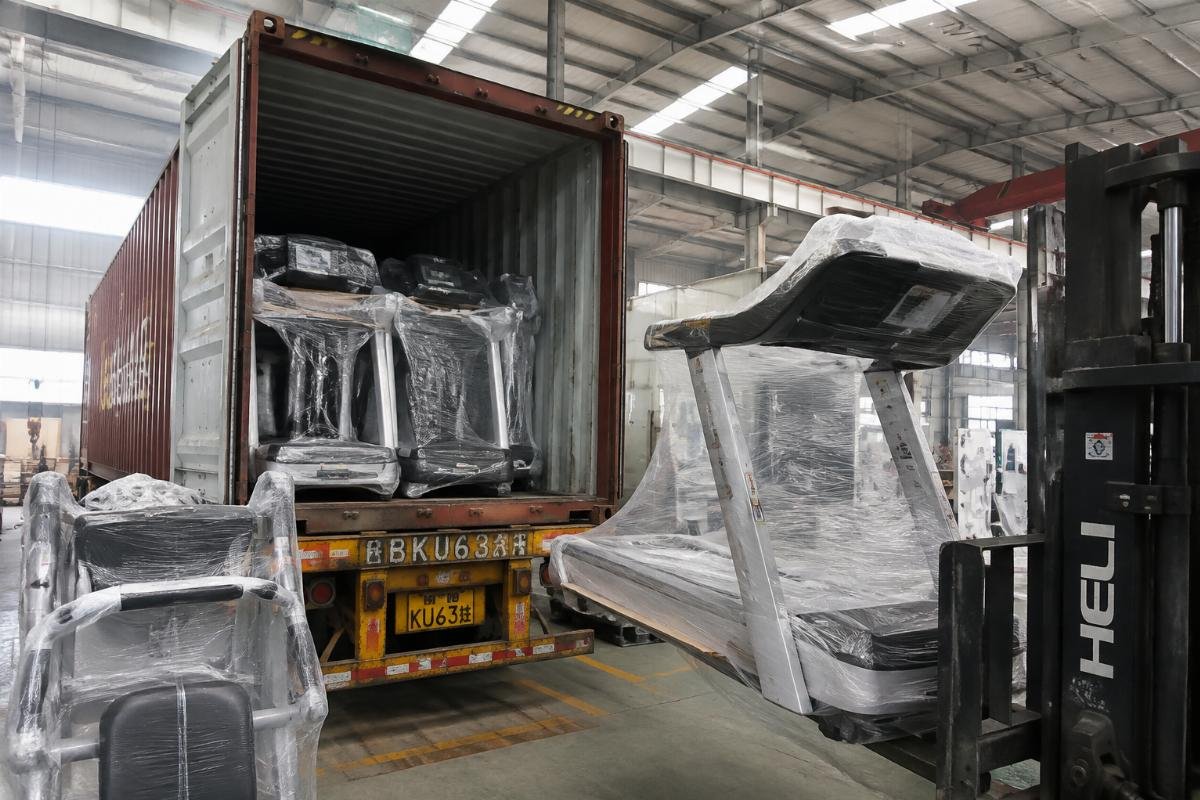
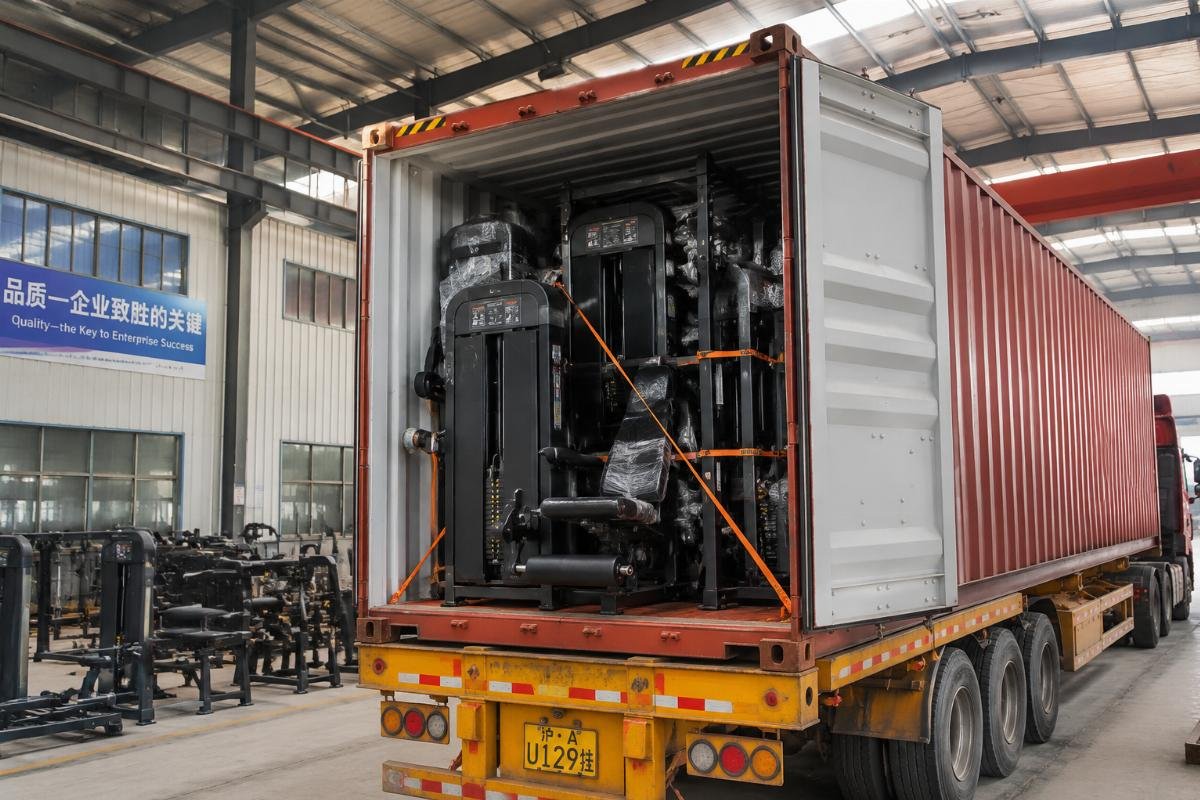
I still remember a shipment we prepared for a gym chain in the Middle East. The buyer had received a shoulder press machine price that looked attractive on paper. But when the containers arrived at Jebel Ali, the landed cost had ballooned past what they had allocated. They called furious, convinced we had misled them. The problem was not the shoulder press machine price itself—it was the gap between FOB and CIF that nobody had spelled out clearly. That single deal nearly collapsed, and it reshaped how I communicate with every buyer since.
If you are sourcing a shoulder press machine for a commercial gym, hotel fitness center, or distribution business, this guide breaks down every layer of the cost structure so you can compare quotes with confidence.
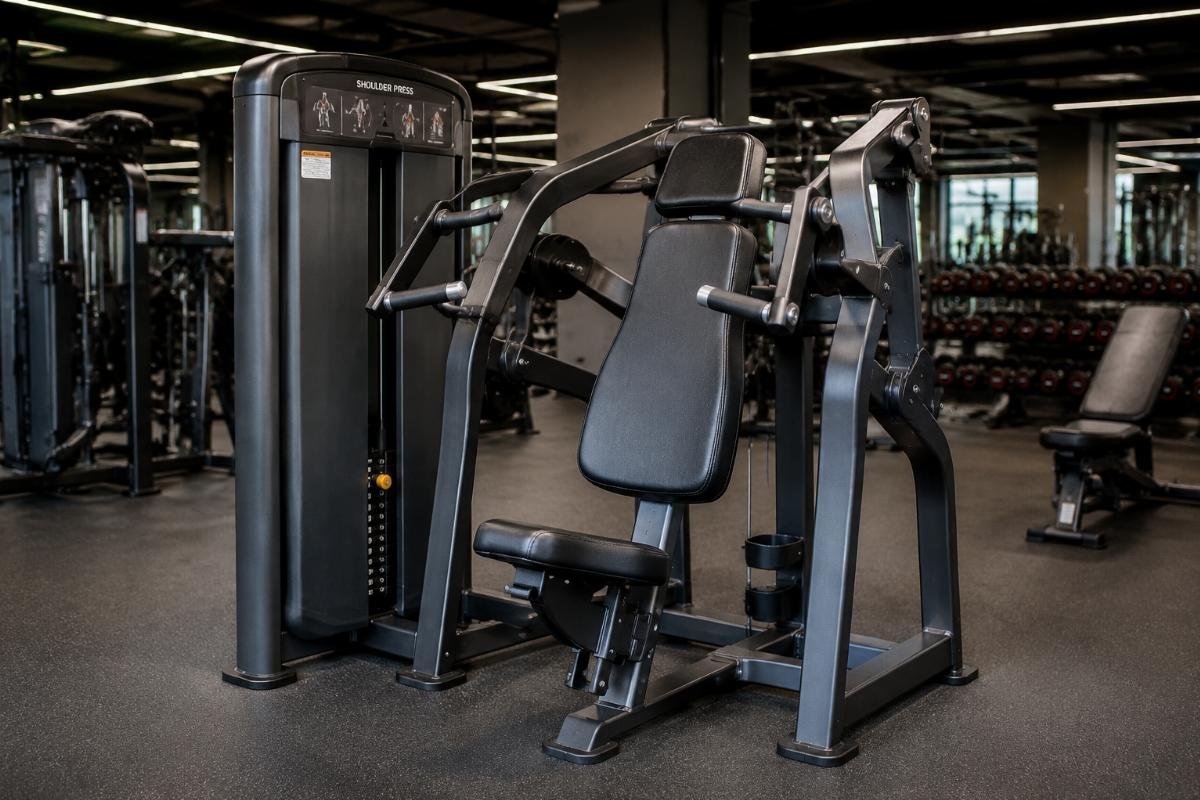
Let me walk you through what actually moves the shoulder press machine price up or down, and where the hidden costs hide.
What Determines Shoulder Press Machine Factory Pricing in 2026?
The shoulder press machine price varies dramatically across tiers because factories use fundamentally different materials, bearing systems, and finishing processes—not because of arbitrary brand premiums.
When you request a shoulder press machine price from multiple Shandong-based manufacturers, the quotes can look bewilderingly different. The reason sits inside the machine, not on the quotation sheet. Let me break down the three cost drivers that create the widest gaps.
Frame Steel Grade
The skeleton of any shoulder press machine determines its load capacity, rigidity, and service life. Factories typically work with three steel grades:
| Steel Grade | Tensile Strength | Weldability | Corrosion Resistance | Typical Application |
|---|---|---|---|---|
| Q235 | Standard | Good | Basic | Entry-level commercial, light-use |
| Q345 | Substantially higher | Good | Moderate | Mid-range commercial gym equipment |
| 4130 Chromoly | Premium | Requires controlled welding | Robust | Heavy-duty commercial, high-traffic facilities |
The price difference between a Q235 frame and a 4130 chromoly frame is significant, and it shows up directly in the shoulder press machine price you receive [NEED_CITE: steel grade cost differentials in commercial fitness equipment manufacturing]. A distributor in West Africa once ordered a full container of plate-loaded machines at the lowest shoulder press machine price available. Within months, the frames showed micro-cracks at the weld joints under normal commercial loading. The replacement cost dwarfed the initial savings.
Bearing System Quality
The pivot points and guide rods on a shoulder press machine rely on bearings to deliver smooth motion. This is where cost-cutting becomes invisible to the eye but devastating in performance.
| Bearing Tier | Seal Type | Expected Service Life | Noise Level Over Time |
|---|---|---|---|
| Industrial sealed bearings | Full contact seal | Extended service life | Remains low throughout lifespan |
| Standard open bearings | Minimal or no seal | Noticeably shorter | Degrades substantially after initial months |
| Unbranded generic | Inconsistent | Vulnerable to early failure | Becomes noticeable quickly |
A gym owner in Southeast Asia told me his previous supplier’s machines started squeaking within a few months. The bearings had contaminated quickly because the seals were inadequate for humid, high-use environments. By the time he replaced them across the floor, the maintenance expense had erased any discount he had negotiated on the shoulder press machine price.
Upholstery Density
This sounds like a minor detail until a client sits on a seat that has collapsed into the frame. Commercial-grade upholstery uses high-density polyurethane foam that resists compression set over years of daily use. Lower-tier machines use standard foam that flattens noticeably within a single year of heavy traffic.
| Foam Density Category | Compression Resistance | Shape Retention | Typical Use Case |
|---|---|---|---|
| High-density commercial grade | Robust | Maintains shape substantially longer | Daily commercial gym use |
| Mid-density | Moderate | Acceptable for moderate traffic | Boutique studios, light commercial |
| Low-density | Vulnerable | Degrades noticeably within months | Residential, light personal use |
When you evaluate a shoulder press machine price, ask the factory to specify foam density in qualitative terms and request sample swatches. The difference in sitting comfort—and long-term replacement cost—is immediately apparent.
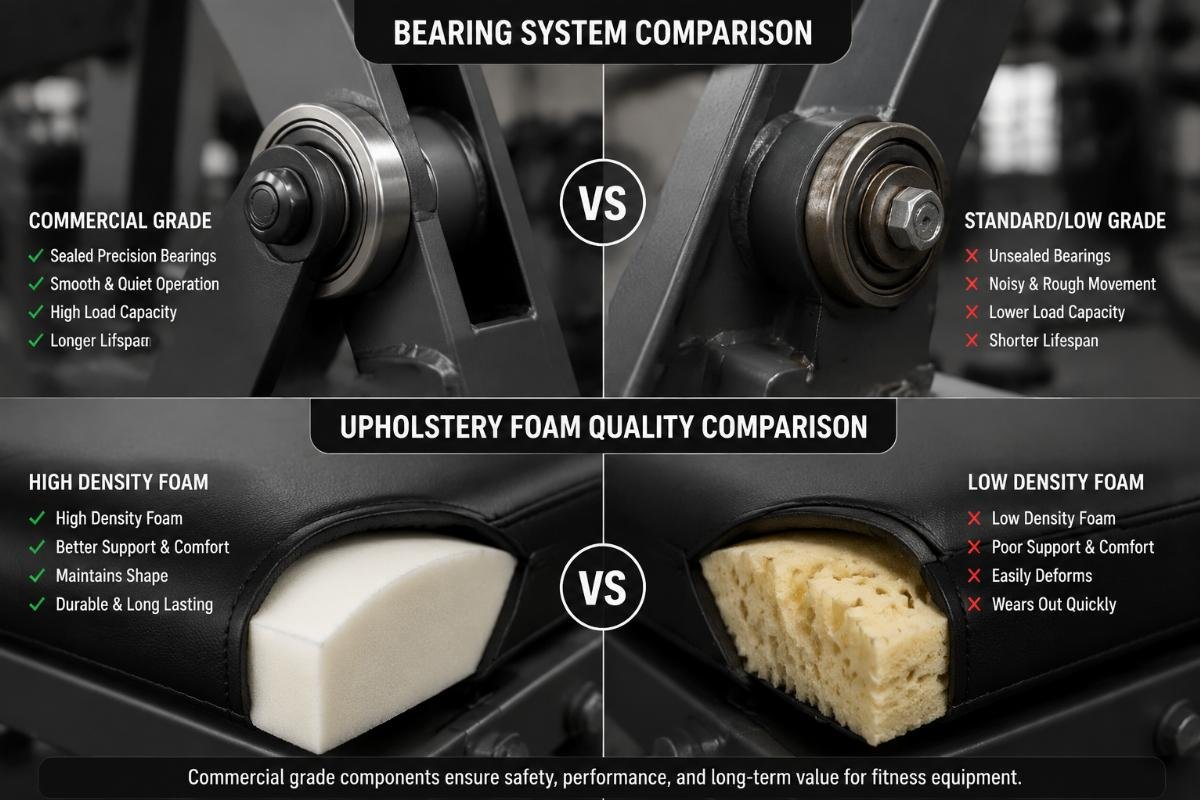
The pattern is consistent: the shoulder press machine price reflects what is inside the machine. Factories that cut corners on steel, bearings, and foam can offer lower numbers, but the total cost of ownership tells a different story.
FOB vs CIF: How Shipping Terms Impact Your Total Landed Cost?
The shoulder press machine price you see on a quotation is almost never the final cost at your door—shipping terms determine whether you face a pleasant surprise or a budget crisis at the port.
This is the lesson that cost my team a near-disaster with that Middle East gym chain. The buyer had received a shoulder press machine price quoted on FOB terms. He assumed it included everything needed to get the machines to his facility. It did not. FOB means the seller’s responsibility ends once the goods are loaded on the vessel at the origin port. From that point, freight, insurance, destination port charges, customs clearance, and inland transport all fall on the buyer.
Here is what each term actually means for your budget:
FOB (Free On Board)
- The factory delivers the machines to the departure port and handles export customs.
- You arrange and pay for ocean freight, marine insurance, destination port fees, import duties, and inland delivery.
- The shoulder press machine price under FOB looks lower, but your actual out-of-pocket cost is higher once logistics are added.
CIF (Cost, Insurance, and Freight)
- The factory arranges ocean freight and basic marine insurance to your destination port.
- You still handle import customs clearance, destination port handling charges, and inland transport.
- The shoulder press machine price under CIF looks higher, but it bundles more of the logistics cost into one number.
| Cost Component | FOB | CIF |
|---|---|---|
| Factory unit cost | Included | Included |
| Origin port handling | Included | Included |
| Ocean freight | Buyer pays | Included |
| Marine insurance | Buyer arranges | Included (basic coverage) |
| Destination port charges | Buyer pays | Buyer pays |
| Import customs and duties | Buyer pays | Buyer pays |
| Inland delivery | Buyer pays | Buyer pays |
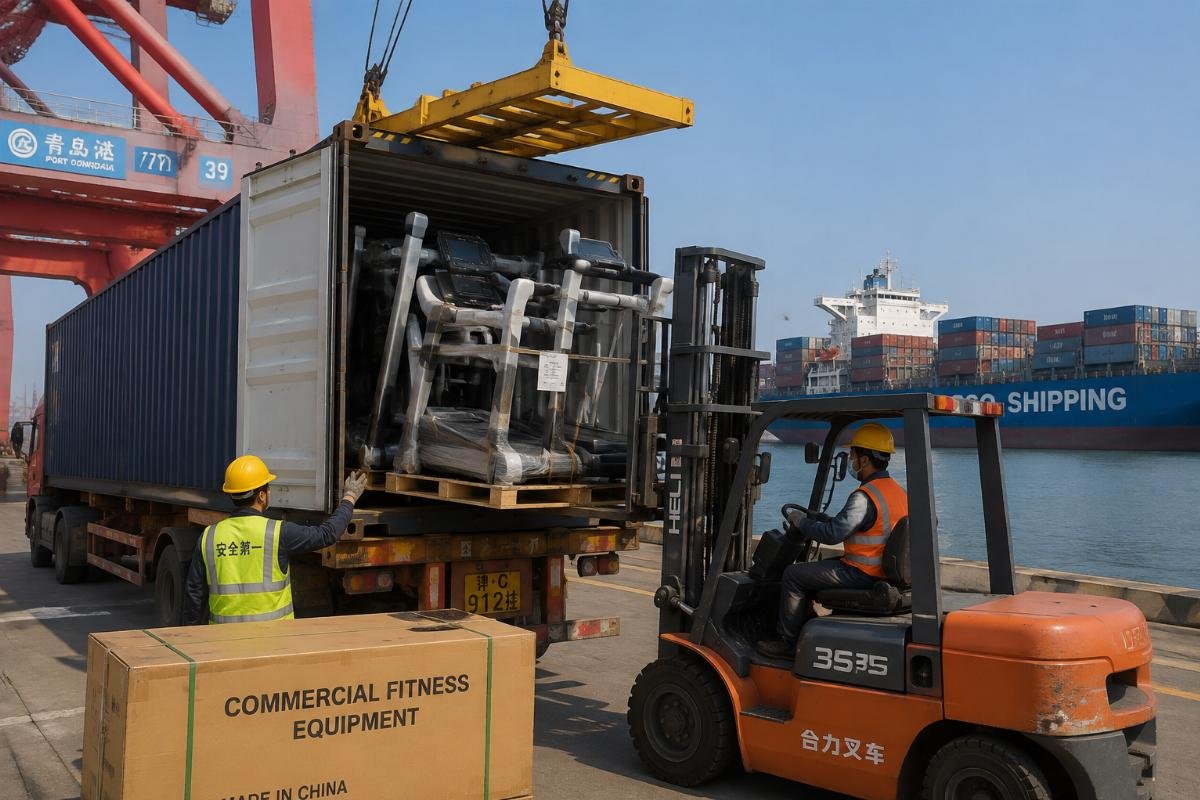
A hotel developer in the Gulf region once compared two shoulder press machine price quotes—one FOB Qingdao, one CIF Dubai. The FOB number looked substantially lower. But when he added ocean freight, insurance, port handling fees, and customs clearance, the total landed cost under FOB was comparable to CIF—and he had taken on the logistical coordination burden himself. In some cases, CIF actually works out more cost-effective because the factory has negotiated freight rates through volume shipping.
The critical takeaway: never compare a FOB quote against a CIF quote as if they are the same thing. Always convert both to total landed cost at your destination before making a decision.
How Does MOQ Affect Per-Unit Pricing for Shoulder Press Machines?
Ordering a single shoulder press machine costs substantially more per unit than filling a container—and the gap is wider than most first-time buyers expect.
Factories in Shandong operate on volume economics. Setting up a production run, configuring tooling, and arranging packaging for a single unit carries nearly the same overhead as running a batch. That overhead gets distributed across units, which is why per-unit pricing drops sharply as order volume increases.
Here is a qualitative look at how MOQ tiers typically affect the shoulder press machine price:
| Order Tier | Per-Unit Cost Impact | Production Setup | Best Suited For |
|---|---|---|---|
| Single unit or small batch | Highest per-unit cost | Standard production line, minimal customization | Testing samples, boutique studio setups |
| Mixed container (multiple models) | Moderate per-unit cost | Consolidated production, some customization | New gyms outfitting full floors |
| Full container single model | Lowest per-unit cost | Dedicated production run, full customization | Distributors, large gym chains |
A fitness distributor in Latin America started by ordering a mixed container—shoulder press machines alongside cable crossovers, Smith machines, and plate-loaded rows. The per-unit shoulder press machine price was higher than if he had ordered shoulder press machines exclusively, but the mixed approach let him test market demand across multiple product lines without overcommitting capital. By his second order, he had identified the fastest-moving models and placed dedicated full-container orders, which brought the per-unit cost down noticeably.
OEM and Customization Impact on MOQ
If you want your own branding, custom color schemes, or modified specifications, factories typically require higher MOQs. Custom powder coating colors, embossed logos, or adjusted seat dimensions require dedicated production setup. The shoulder press machine price under OEM terms includes these setup costs amortized across the order quantity.
A hotel chain in Southeast Asia wanted a specific frame color to match their interior design palette. The factory quoted a higher MOQ for that custom color run. The buyer compromised by accepting the standard color for the first order and negotiating custom branding for the second order once the relationship was established.
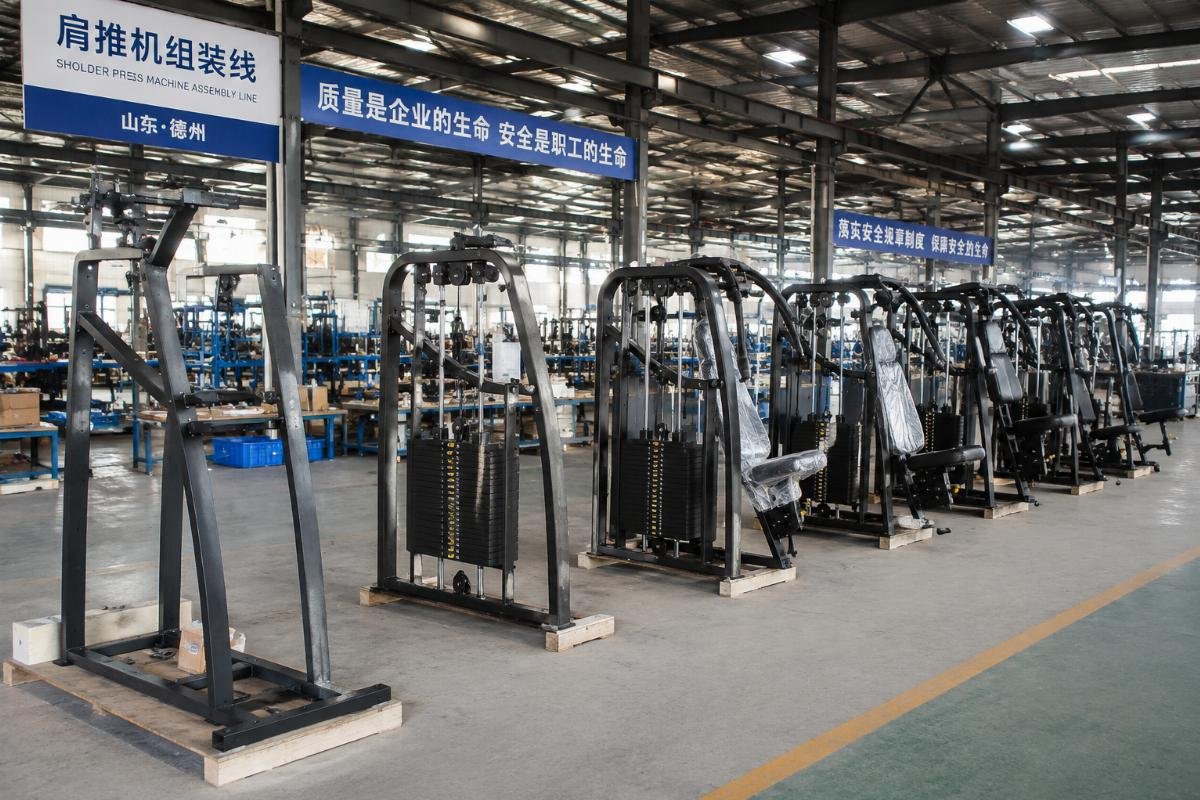
The practical advice: if you are outfitting a new facility and cash flow is tight, start with a mixed container to spread risk. Once you understand which machines see the heaviest use, consolidate future orders to bring the per-unit shoulder press machine price down.
What Hidden Costs Emerge After Months of Commercial Use?
The shoulder press machine price is only the beginning—maintenance, part replacement, and downtime create ongoing costs that separate wise purchases from regrettable ones.
Commercial gym equipment operates under relentless daily use. Members load, press, adjust, and move through hundreds of cycles every day. Components that seemed adequate during a factory showroom visit reveal their true quality only after extended commercial service.
Bearing and Pivot Point Wear
Guide rods and pivot joints on a shoulder press machine experience continuous friction. Inferior bearings or insufficient lubrication lead to increased play, noise, and eventually seizure. Replacing bearings across an entire fleet of machines is labor-intensive and costly—especially when the machines must be pulled from the gym floor during peak hours.
Cable and Pulley Degradation
If your shoulder press machine uses a cable-based resistance system, the cables and pulleys are subject to wear. Low-grade cables fray prematurely; cheap pulleys develop flat spots that cause uneven resistance and accelerated cable wear. The cost of replacing cables and pulleys across multiple machines adds up quickly.
| Maintenance Component | Premium Build Quality | Budget Build Quality |
|---|---|---|
| Bearings | Resistant to contamination, extended service intervals | Vulnerable to early wear, frequent replacement |
| Cables | Robust strand construction, resistant to fraying | Prone to premature fraying and snapping |
| Pulleys | Precision-machined grooves, smooth operation | Develop flat spots, cause uneven cable wear |
| Upholstery | Maintains shape and appearance substantially longer | Compresses and cracks within months |
Frame and Weld Integrity
This is the most dangerous hidden cost. A frame that develops weld cracks under commercial loading is not just a maintenance issue—it is a safety liability. Repairing or replacing a compromised frame often costs more than the original machine, and the downtime removes revenue-generating equipment from the floor.
A gym owner in East Africa shared that his previous supplier’s machines required weld repairs on multiple units within the first year. The shoulder press machine price had been the lowest he found, but the cumulative repair cost and member complaints about unstable equipment made the total expense far higher than if he had purchased premium-grade machines initially.
Availability of Spare Parts
When components do wear out—and they will, even on premium machines—the speed and cost of obtaining replacements matters. Factories that supply spare parts catalogs and maintain inventory of wear components reduce your downtime significantly. Factories that disappear after the sale leave you sourcing generic replacements that may not fit properly.
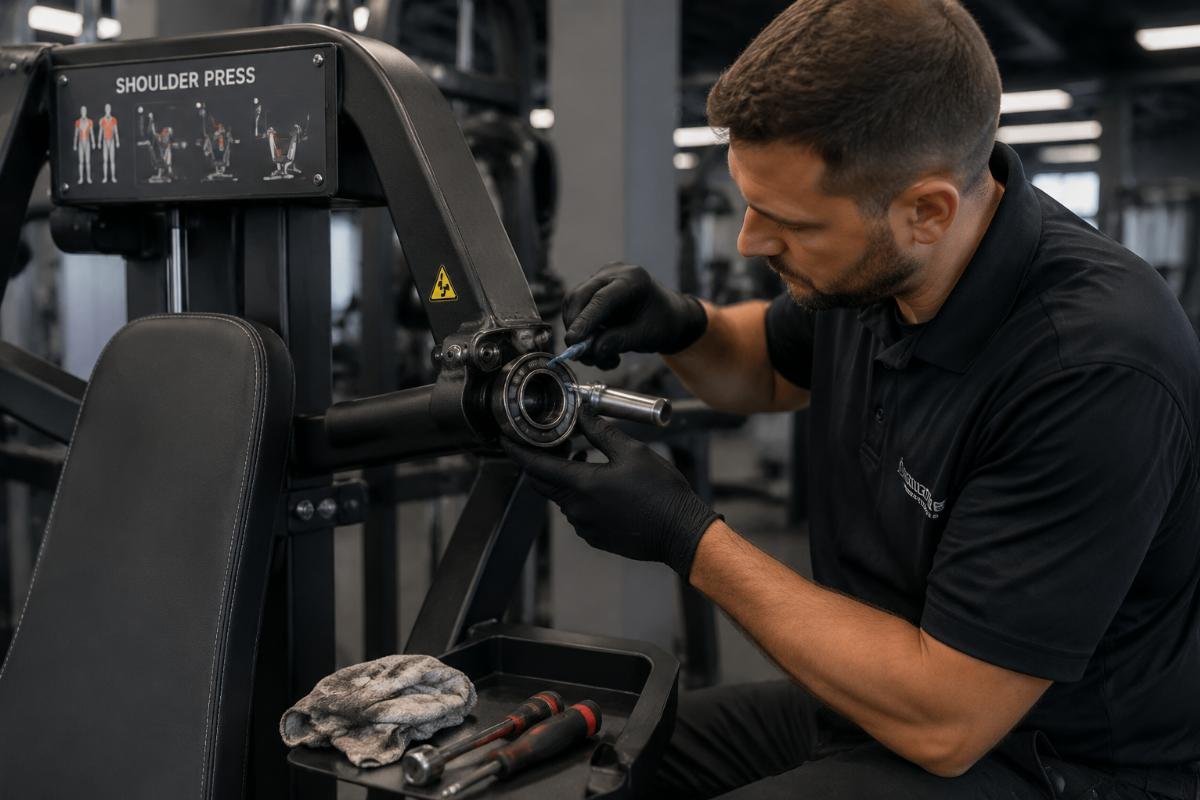
The lesson is straightforward: evaluate the shoulder press machine price alongside the factory’s spare parts commitment, warranty structure, and technical support responsiveness. The cheapest machine becomes the most expensive one when it sits idle waiting for parts that never arrive.
How to Verify China Factory Quotes Without Visiting Shandong?
You do not need to fly to China to validate a shoulder press machine price—structured documentation requests and remote verification methods separate serious factories from trading companies markup artists.
I understand the hesitation. You receive a shoulder press machine price that looks competitive, but how do you know what you are actually getting? Here is a verification framework that works remotely.
Request Material Certifications
Ask the factory for steel grade certificates, bearing brand specifications, and foam density test reports. A legitimate manufacturer will provide these without hesitation. A trading company or a factory cutting corners will deflect or provide vague responses.
| Document | What It Confirms | Red Flag Response |
|---|---|---|
| Steel mill test certificate | Frame material grade matches claim | "We use good steel" without documentation |
| Bearing specification sheet | Brand, seal type, and precision class | Unbranded or unspecified bearings |
| Foam density report | Upholstery meets commercial standards | No test data available |
| Welding procedure specification | Weld quality controls in place | No documented welding standards |
Ask for Third-Party Inspection Reports
Factories that welcome third-party inspection—whether from SGS, Bureau Veritas, or independent quality control firms—demonstrate confidence in their production. Request recent inspection reports for similar products. If the factory has never undergone third-party inspection, that itself is information.
Conduct Remote Factory Tours
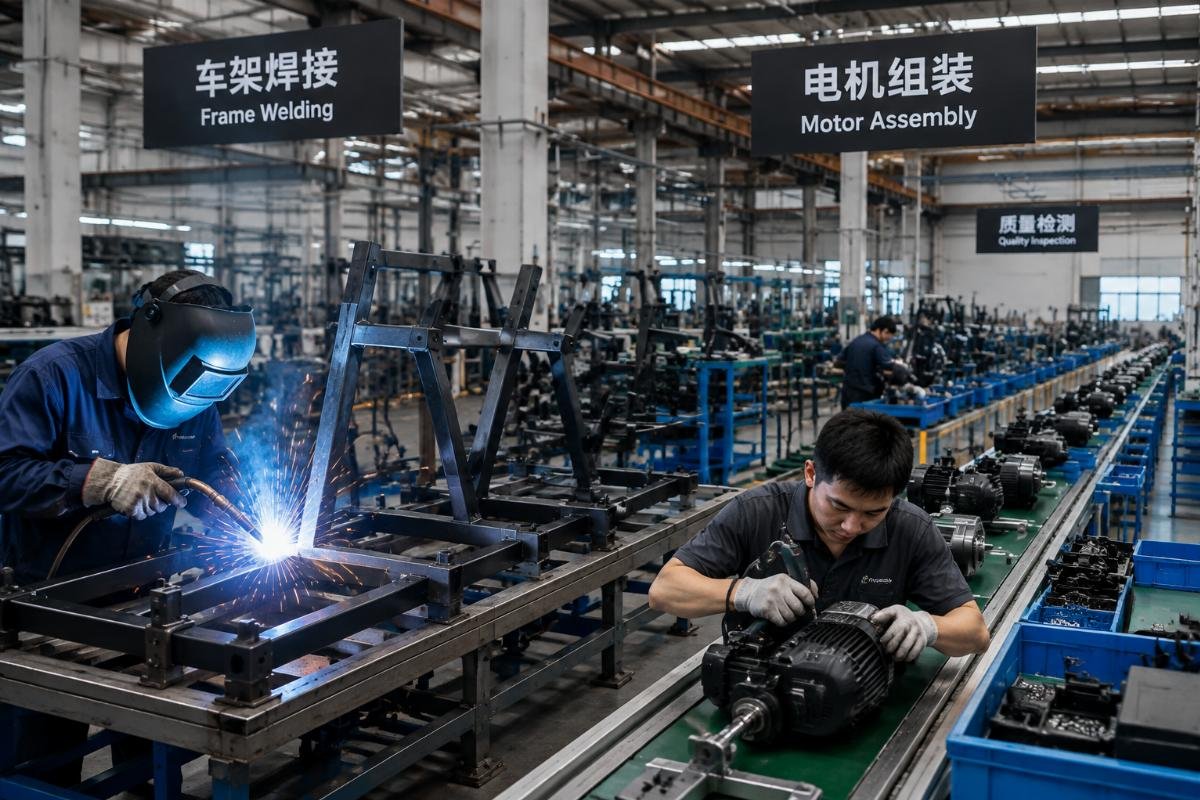
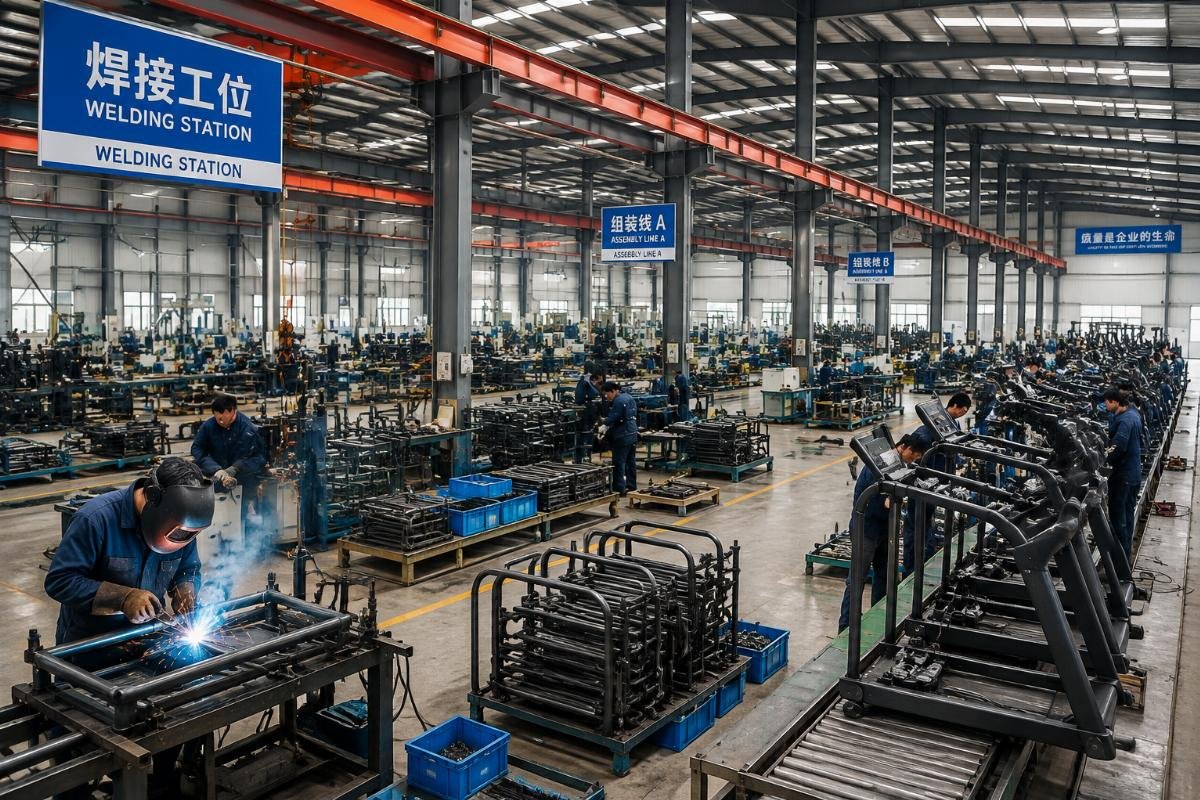
Modern communication tools make it possible to walk through a factory floor in Shandong from your office anywhere in the world. Request a live video tour during production hours. Watch how frames are welded, how bearings are installed, how machines are assembled and tested. A factory proud of its process will accommodate this request readily.
Verify Certifications Independently
CE certification, ISO compliance, and other standards should be verifiable through the issuing bodies. Do not accept a certificate image at face value—cross-reference the certificate number with the certifying organization’s database [NEED_CITE: verification methods for fitness equipment safety certifications].
A distributor in the Middle East once received a remarkably low shoulder press machine price from a supplier claiming CE certification. When he verified the certificate number, it belonged to a different product category entirely. The supplier had misrepresented their compliance status. Catching this before placing an order saved him from importing non-compliant equipment that would have been seized at customs.
Evaluate Communication Quality
This sounds subjective, but it matters. A factory that answers your technical questions precisely, provides detailed specifications proactively, and responds to concerns with evidence rather than vague assurances is a factory that will support you after the sale. A factory that pressures you to commit quickly, avoids technical details, or dismisses your concerns is signaling how they will handle problems down the road.
The shoulder press machine price is your entry point—but the factory’s transparency, documentation quality, and willingness to be verified remotely are your real indicators of whether you are making a sound investment.
Conclusion
The true cost of a shoulder press machine extends far beyond the unit price on a quotation. Material grade, bearing quality, shipping terms, order volume, and long-term maintenance exposure collectively determine whether your purchase delivers value or becomes a recurring expense. Factories that invest in premium steel, sealed industrial bearings, and high-density upholstery justify their pricing through extended service life and reduced downtime. Understanding FOB versus CIF prevents budget surprises at the port. Scaling your order volume brings per-unit costs down meaningfully. And verifying factory claims through documentation and remote inspection protects you from misrepresentation. The shoulder press machine price is a starting point for negotiation—not the final measure of what you will actually pay over the equipment’s service life.