Commercial Gym Equipment Wholesale Supplier | Factory Direct Price
Most buyers assume buying a few machines locally is cheaper than importing a full container. The math says otherwise.
The real gym equipment price in Philippines is determined not by the sticker on a single treadmill, but by the combined weight of factory pricing, ocean freight allocation, Bureau of Customs tariff classification, VAT, and port handling charges. When you consolidate an entire commercial gym package into one shipment, the per-unit landed cost drops dramatically compared to buying piece-by-piece from a local dealer.
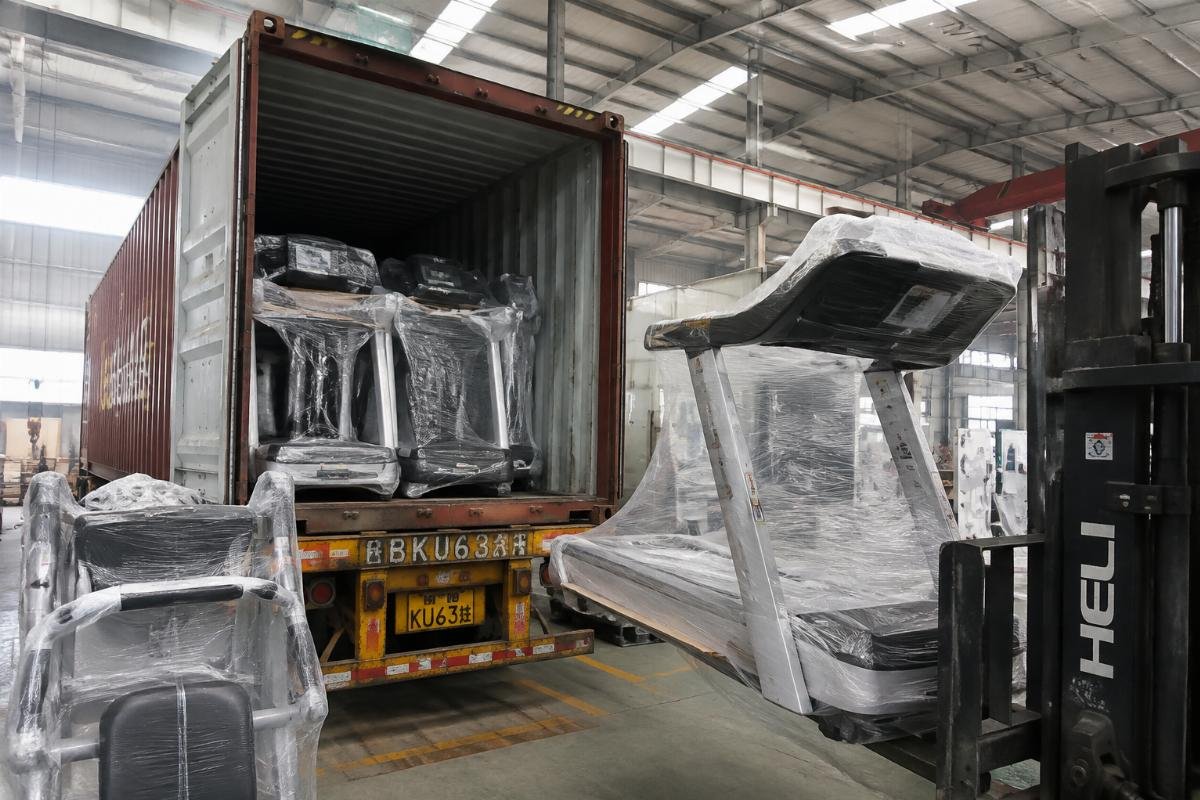
I still remember standing on the dock in Manila, watching a forklift unload a container that should have been a smooth delivery. Instead, it was a headache. A gym owner in the metro area had ordered a full set of cardio and strength equipment from a local distributor, only to discover weeks later that the Smith machine weight stacks didn’t match the spec sheet. The distributor blamed the factory. The factory blamed the shipping agent. Nobody took responsibility. That container sat at the port for weeks, and the demurrage fees alone cost more than the machines themselves. I was handling the logistics coordination on a neighboring shipment, and that scene stuck with me. It reinforced something I had already learned the hard way years earlier—when I once shipped an entire container of strength equipment to a client in the Middle East and failed to confirm the selectorized pin-load specifications before production. The client refused the goods at the port, and the滞港费 nearly wiped out the entire order’s margin. Since then, I verify every single parameter before a single unit enters production.
If you are researching gym equipment price in Philippines for a commercial gym, hotel fitness center, or distribution business, this guide breaks down the actual cost structure, category-by-category pricing ranges, and the sourcing strategies that separate smart buyers from those who overpay.
Let me walk you through what actually drives the numbers.
What Is the Real Cost Breakdown of Gym Equipment in the Philippines?
The landed price of any imported fitness machine is the sum of five layers: factory price, ocean freight, import duty, value-added tax, and port handling fees. Ignoring any one of them leads to budget blowouts.
Many first-time importers in the Philippines focus exclusively on the FOB price quoted by a gym equipment price in Philippines supplier and assume that is close to what they will pay. The reality is far more layered. The Bureau of Customs classifies gym equipment under specific HS codes, and the applicable duty rate depends on exactly how the product is described and categorized [NEED_CITE: HS code classification for gymnasium equipment under the ASEAN-China Free Trade Area tariff schedule]. On top of the duty, a standard VAT rate applies to the total CIF value, and port operators charge handling, storage, and documentation fees that accumulate quickly if paperwork is not prepared in advance.
Here is how the cost layers typically stack up:
| Cost Component | Typical Share of Landed Price | Notes |
|---|---|---|
| Factory Price (FOB) | Substantial base | Varies by equipment category and material grade |
| Ocean Freight | Noticeable per-unit allocation | Drops significantly with full container consolidation |
| Import Duty | Moderate | Determined by HS code and ACFTA eligibility |
| VAT | Applied on CIF plus duty | Standard national rate on total assessable value |
| Port Handling and Documentation | Moderate | Demurrage risk if clearance is delayed |
A buyer who imports a single treadmill via LCL shipping will see freight and handling costs eat into the savings. A buyer who consolidates an entire gym setup—cardio, strength, free weights, flooring, and accessories—into a full container spreads those fixed costs across dozens of units, bringing the per-item landed price down substantially. This is the single most misunderstood aspect of gym equipment price in Philippines procurement.
I have seen hotel developers in the Visayas region order compact cardio units and a few selectorized machines piece by piece from a local dealer, paying a premium each time. When they finally calculated what they spent over a year, a single consolidated container from a factory-direct gym equipment price in Philippines supplier would have covered the same equipment at a noticeably lower total cost, with the added benefit of matched aesthetics and unified warranty terms.
How Do Prices Compare Across Equipment Categories?
Cardio equipment commands the largest share of a commercial gym budget, followed by plate-loaded and selectorized strength machines, with free weights and functional training accessories forming the most cost-efficient layer.
When outfitting a full commercial facility, understanding how the gym equipment price in Philippines breaks down by category helps you allocate budget realistically and avoid overspending on one zone while under-equipping another.
| Equipment Category | Budget Share | Price Range per Unit | Key Cost Drivers |
|---|---|---|---|
| Commercial Cardio (Treadmills, Ellipticals, Spin Bikes) | Largest segment | Mid to high range per unit | Motor rating, console features, AC vs DC drive |
| Strength Machines (Smith, Cable Crossover, Plate-Loaded) | Significant segment | Mid range per unit | Steel gauge, pulley system, weight stack capacity |
| Free Weights (Dumbbells, Barbells, Plates, Kettlebells) | Moderate segment | Low to mid per kg | Material type, coating, tolerance consistency |
| Functional Training (Rigs, Battle Ropes, Plyo Boxes) | Smallest segment | Low per unit | Material durability, modularity |
| Flooring and Accessories | Supporting segment | Low per sqm | Rubber density, thickness, interlocking design |
For a commercial gym in Metro Manila, the cardio zone typically requires a mix of treadmills, ellipticals, and recumbent bikes. These units are engineering-intensive, with motors, electronics, and running decks that drive the per-unit price higher than any other category. A single commercial-grade AC motor treadmill from a factory-direct gym equipment price in Philippines supplier will cost a fraction of what the same specification retails for under a premium international brand, yet the structural frame and running surface performance remain comparable.
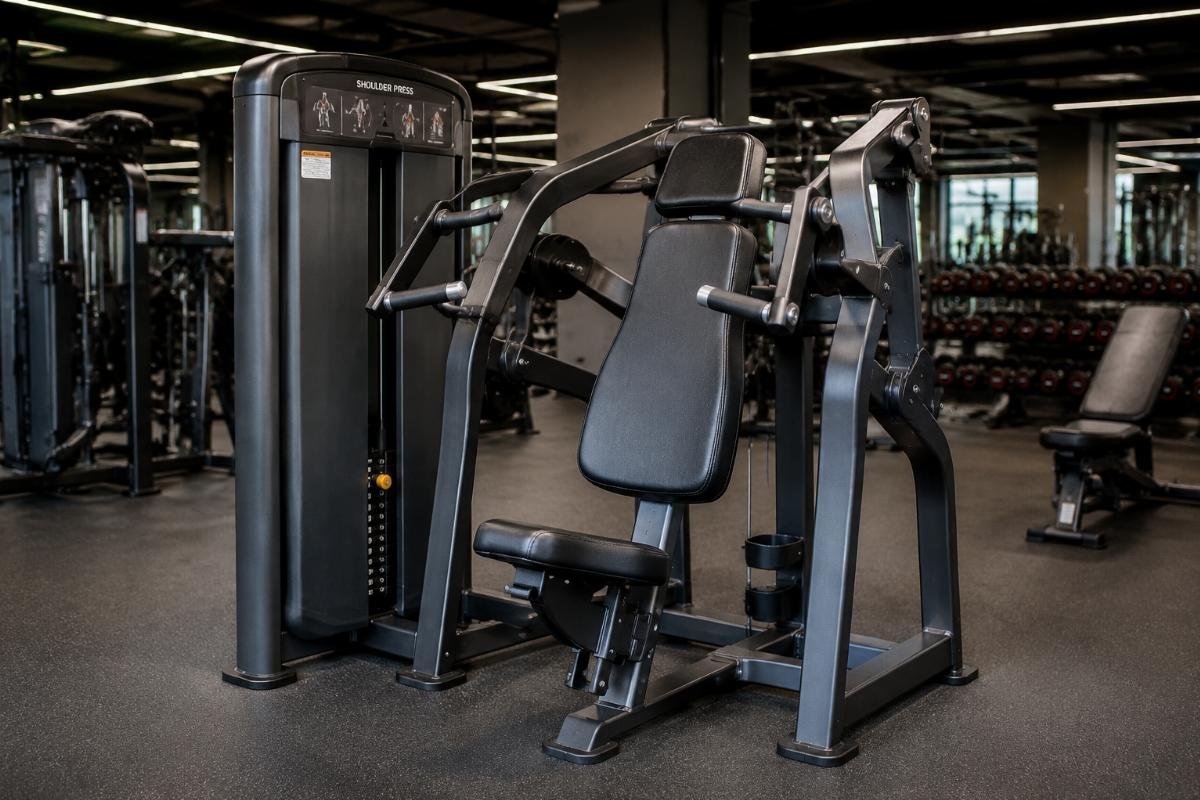
Strength machines occupy the next tier. A well-built Smith machine or cable crossover uses heavy-gauge steel, precision-machined pulleys, and smooth guide rod systems. The price difference between a factory-direct unit and a locally distributed branded machine is substantial, yet the weld quality and load capacity of commercial-grade Chinese-manufactured frames meet the same international safety standards [NEED_CITE: international fitness equipment safety standards for commercial strength machines].
Free weights and functional accessories are where buyers often find the greatest value. Rubber-coated dumbbells, Olympic barbells, and bumper plates are priced by weight, and the per-kilogram cost from a direct factory is dramatically lower than retail markup channels. A CrossFit box in a provincial city can equip an entire free-weight zone from a single container load at a cost that would barely cover a fraction of the same setup bought locally.
Why Does Factory-Direct Sourcing Save Significantly vs Local Dealers?
The price gap between factory-direct imports and local dealer purchases is driven by the elimination of middleman margins, consolidated shipping economics, and flexible OEM arrangements that local inventory simply cannot match.
Most local gym equipment dealers in the Philippines maintain showrooms with limited floor models. They source from importers or regional distributors who have already added their own margin on top of the factory price. By the time a treadmill reaches a dealer’s showroom floor, its price has passed through two or three hands, each taking a cut. When you work directly with a gym equipment price in Philippines factory supplier, you bypass every layer.
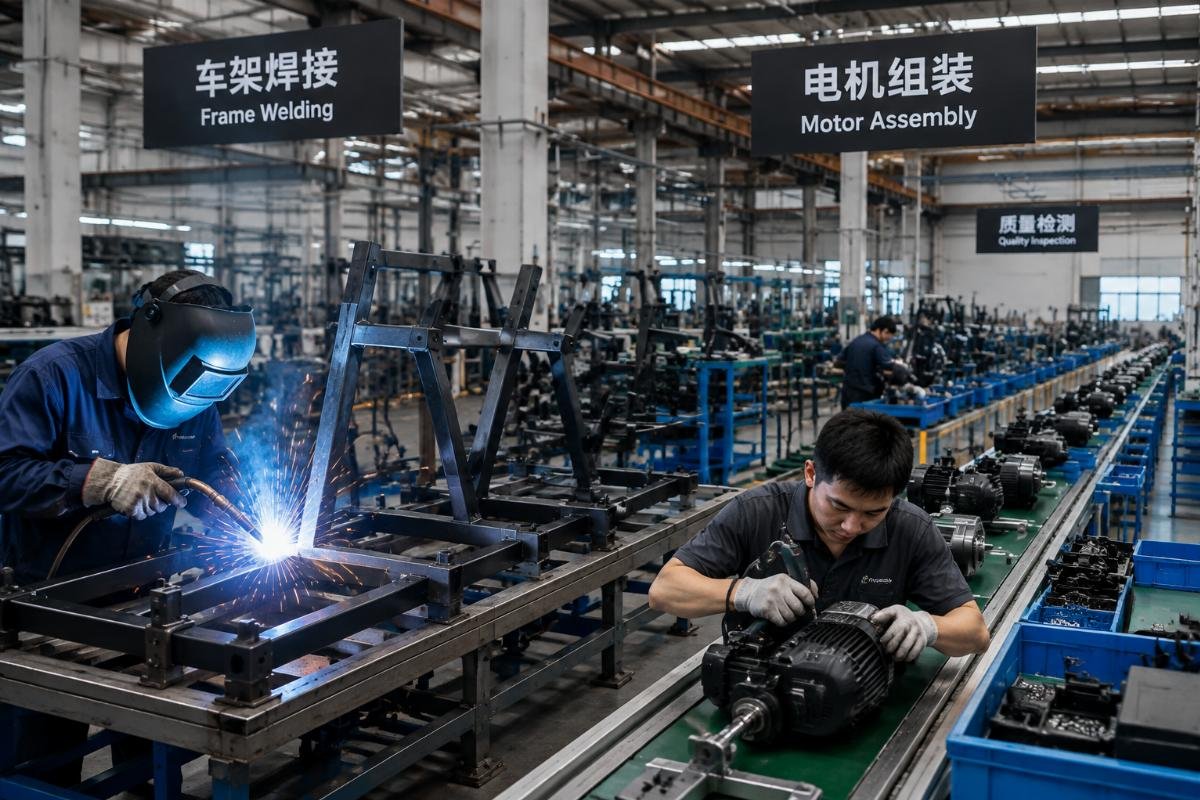
Consider a real scenario. A fitness chain operator in a growing Philippine city needed to equip a new branch with a full cardio and strength package. The local dealer quoted a price that included a showroom markup, a warehousing fee, and a "service package" that was essentially an inflated warranty. The same specification, sourced directly from a Shandong-based manufacturer with CE certification and full OEM capability, came in at a noticeably lower total cost. The operator saved enough to add an entire functional training zone that was not in the original budget.
The savings come from several structural advantages:
- Eliminated intermediary margins. Factory-direct pricing removes the distributor and dealer markups that typically inflate per-unit costs by a substantial percentage.
- Container consolidation economics. A full container load spreads ocean freight, insurance, and port handling across every unit inside. The more you load, the lower the per-item freight allocation becomes.
- OEM branding flexibility. Dealers sell what they stock. A factory supplier can apply your brand label, customize color schemes, and adjust specifications to your exact requirements without minimum order pressure that makes the project unviable.
- Spare parts and technical support. A direct relationship with the manufacturer means spare parts availability and technical guidance are built into the purchase, not sold as an afterthought.
I have worked with distributors across Southeast Asia who initially tested the market with a single mixed container—cardio, strength, and free weights loaded together. The per-unit landed cost was so competitive that they reordered within months, this time with their own branding on the frames and consoles. That is the power of going direct.
How to Avoid Hidden Costs When Importing Gym Equipment to the Philippines?
The most expensive mistakes in gym equipment importing are not the machines themselves—they are the specification errors, misclassified HS codes, and documentation gaps that trigger port delays, re-inspection fees, and in worst cases, forced re-export.
I learned this lesson the hard way. Years ago, I coordinated a full container of strength equipment for a gym client. Everything was manufactured, loaded, and shipped on schedule. But I had not double-checked the selectorized weight stack configuration on the Smith machines. The client expected a specific plate count per station, and what arrived was different. The client refused to accept the container. The demurrage and storage fees at the port climbed week after week, eventually reaching a sum that dwarfed the original shipping cost. That experience fundamentally changed how I approach every order.
Here are the critical checkpoints that protect your budget:
| Checkpoint | Risk if Overlooked | Preventive Action |
|---|---|---|
| HS Code Classification | Overpaid duty or customs hold | Confirm exact code with broker before shipment |
| Weight Stack and Pin-Load Specs | Client rejection at port | Written confirmation with photos before production |
| CE or Required Certifications | Shipment blocked at customs | Verify certification validity and scope |
| Container Loading Plan | Damaged goods, wasted space | Professional load plan with weight distribution |
| Voltage and Plug Standard | Equipment inoperable on arrival | Confirm Philippine 220V/60Hz compatibility |
A gym equipment price in Philippines quote that looks attractive can turn expensive fast if the HS code is wrong and the duty rate is higher than expected. Similarly, a machine built for a 50Hz market will not function properly in the Philippines without a transformer, adding cost and complexity that a factory-direct supplier should have flagged during the order confirmation stage.
Professional suppliers build these verification steps into their workflow. Before production begins, every parameter—weight stack count, seat adjustment range, console voltage, upholstery color, frame finish—is documented and confirmed in writing with the buyer. This is not bureaucracy. It is the difference between a smooth delivery and a financial disaster at the port.
What Should You Include in a Complete Gym Package Budget?
A realistic gym budget goes far beyond the equipment list. Flooring, spare parts, installation hardware, and contingency reserves are all part of the total investment, and bundling them with your equipment order saves money compared to sourcing separately.
When a hotel developer or gym owner asks about the gym equipment price in Philippines for a complete facility, the first instinct is to add up the machines. But a turnkey package includes elements that are easy to overlook:
- Rubber flooring. Heavy-duty rubber tiles or rolls for the free-weight and functional zones are essential for equipment longevity and user safety. Sourcing flooring from the same supplier as the equipment ensures compatibility and eliminates a separate import cycle.
- Spare parts package. Pulley cables, adjustment pins, upholstery patches, and console fuses should be included in the initial order. Waiting until something breaks to order a single replacement part from overseas is slow and expensive.
- Installation hardware and anchors. Bolt-down kits for power racks and Smith machines are small in cost but critical in safety. Confirm they are included.
- Branding and customization. If you are building a branded facility or reselling under your own name, factor in OEM labeling, custom color matching, and branded console startup screens.
- Contingency reserve. Port delays, minor spec adjustments, and unexpected local transport costs are normal. A buffer prevents project stalls.
A boutique studio owner in Cebu once told me she spent months sourcing equipment, flooring, and accessories from three different suppliers. The total shipping cost alone was higher than what a single consolidated container from one factory-direct gym equipment price in Philippines supplier would have cost for the entire package. The lesson was clear: bundling is not just convenient, it is financially smarter.
Conclusion
The true gym equipment price in Philippines is shaped by sourcing strategy, shipment consolidation, and specification accuracy—not just the catalog number on a machine. Buyers who work directly with certified factory suppliers, consolidate full container loads, and verify every parameter before production consistently land at a total cost that is substantially lower than what local dealer channels deliver. The difference is not marginal. It is the gap between a gym that opens on budget and one that bleeds money before the first member walks through the door.