Commercial Cable Crossover Machine for Sale | OEM Factory Direct
Most buyers think thicker cables and heavier stacks mean a better machine — they are wrong.
The real answer to choosing a commercial cable crossover machine lies in three hidden specs: bearing material and seal rating, pulley groove geometry matched to cable diameter, and guide rail corrosion resistance matched to your venue’s climate. Ignore these, and even a shiny new unit will seize up within months in a humid gym.
When I was sourcing strength equipment for a gym chain in Jakarta, I compared three quotation sheets side by side. The cable diameter looked similar, the stack weight was comparable, and the pulleys all claimed "smooth operation." I picked the cheapest option. Less than half a year later, the weight stack guides jammed, pulleys wore unevenly, and trainers were complaining daily. When we pulled the unit apart, the bearings were plain carbon steel — completely unsealed. In Indonesia’s heat and humidity, they had rusted solid. That single mistake cost the chain several times the price difference in emergency repairs and member complaints. [NEED_CITE: bearing failure mode distribution in tropical gym environments per ISO 15243]
Since then, whether I was buying or later helping factories match equipment to overseas buyers, the first thing I check on any commercial cable crossover machine is not the brochure word "smooth," but whether the supplier dares to write the exact bearing model and seal class into the contract.
Let me walk you through the specs that actually decide whether your commercial cable crossover machine will survive real-world gym conditions.
What Specs Actually Matter in a Commercial Cable Crossover Machine?
Bearing material, pulley groove profile, and steel cable construction are the three parameters that determine service life — not the marketing words on a spec sheet.
Most quotation sheets list "smooth pulley system" and "heavy-duty cable" without defining what those words mean in engineering terms. Here is what actually matters when you inspect a commercial cable crossover machine:
| Parameter | Low-End Spec | Mid-Range Spec | Commercial-Grade Spec |
|---|---|---|---|
| Bearing material | Open carbon steel | Sealed chrome steel | Double-sealed stainless or ceramic hybrid |
| Seal rating | None | Basic lip seal | Contact seal with grease retention |
| Pulley groove | Single V-groove | Matched V-groove | CNC-machined U-groove matched to cable diameter |
| Cable construction | 7×7 strand, uncoated | 7×19 strand, vinyl-coated | 7×19 strand, nylon-jacketed with rated breaking strength |
| Guide rail | Cold-rolled, uncoated | Zinc-plated | Hard-anodized or stainless |
| Stack plate | Cast iron, painted | Rubber-dipped cast | Rubber-dipped with anti-slam dampener |
[NEED_CITE: bearing seal class comparison per ISO 15243 for fitness equipment applications]
The biggest misconception I see among buyers is that a thicker cable is always better. In reality, if the pulley groove is cut for a narrower rope and you install a thicker one, the cable rides high on the groove edge, creating point contact instead of full-seat contact. That is exactly what causes premature fraying and, in worst cases, sudden snap under load. The correct pairing is cable diameter to groove radius, not "bigger is stronger."
Another trap is assuming heavier weight stacks equal a higher-tier machine. A stack that goes up to a very heavy increment means nothing if the guide rods are plain carbon steel without corrosion protection — in a humid venue, those rods will pit and bind the plates long before the bearings fail.
How Do You Verify Bearing and Pulley Quality Before Ordering?
Ask the factory to write the exact bearing model number and seal class into the purchase contract, and request a third-party material test report — this is the only reliable verification method.
Verbal promises like "we use high-quality bearings" mean nothing. What you need is a specific bearing code — for example, a sealed deep-groove ball bearing with a designated suffix indicating contact seals on both sides — written into the commercial invoice or technical annex. [NEED_CITE: bearing designation system per ISO 15 for sealed deep-groove types]
Here is the verification workflow I now use when helping buyers evaluate a commercial cable crossover machine:
- Request the bearing model and seal suffix — confirm it is a sealed type, not open or shielded.
- Ask for the pulley material and groove machining method — CNC-machined aluminum or steel pulleys with groove radius matched to cable diameter are the baseline.
- Require a cable breaking strength certificate — the supplier should provide the rated breaking load of the steel cable batch, verified against industry test methods.
- Request a guide rail material and surface treatment declaration — confirm whether it is zinc-plated, hard-anodized, or stainless, matched to your venue’s humidity level.
- Ask for a sample unit or factory video showing disassembly — a reputable supplier will have no issue showing internal components.
A distributor in the Middle East once ordered a full container of functional trainers from a new source. The quotation looked competitive, the pulleys spun freely during the factory visit, and the weight stacks felt solid. But when the containers arrived and the units were installed, the pulleys started squeaking within weeks. The distributor later discovered the bearings were shielded types — not sealed — and the local sand-laden air had penetrated the bearing cavity, grinding the races. The entire batch had to be retrofitted at a cost that erased the original price advantage.
Which Configuration Fits Your Gym’s Climate and Usage Intensity?
Match the commercial cable crossover machine configuration to your venue’s temperature, humidity, and daily operating hours — not just your budget.
Climate is the single most overlooked factor in equipment selection. A unit configured for a climate-controlled studio in Northern Europe will fail quickly if deployed in an open-air gym in Southeast Asia or a coastal facility in the Middle East.
| Venue Climate | Bearing Requirement | Guide Rail Requirement | Cable Recommendation |
|---|---|---|---|
| Temperate, climate-controlled | Sealed chrome steel | Zinc-plated acceptable | Standard vinyl-coated |
| Hot and humid, semi-open | Double-sealed stainless or hybrid | Hard-anodized or stainless | Nylon-jacketed, corrosion-resistant strand |
| Coastal or sand-prone | Double-sealed with extended grease fill | Stainless mandatory | Nylon-jacketed with enhanced strand count |
| High-usage, extended hours | Premium sealed with high-temperature grease | Hard-anodized minimum | Heavy-duty jacketed with verified breaking strength |
[NEED_CITE: environmental classification for fitness equipment per EN safety standards]
A hotel fitness center developer in Southeast Asia came to me needing a compact dual-adjustable commercial cable crossover machine for a boutique property with limited floor space. The original plan was to install a standard dual-column unit, but the footprint was too large for the allocated area. We switched to a compact single-column configuration with a rotating pulley tower, which covered the same functional muscle groups while reducing the footprint substantially. The key was confirming that the compact model still used the same sealed bearing specification as the full-size version — some manufacturers downgrade internal components on their smaller models to hit a price point.
For venues running extended hours with back-to-back classes, the cable and pulley system sees continuous cycling. In these cases, upgrading to a cable with a higher strand count and a nylon jacket extends service life noticeably, because the jacket reduces internal wire friction and prevents moisture ingress at the strand level.
How Does OEM Factory-Direct Pricing Compare to Branded Alternatives?
OEM factory-direct commercial cable crossover machines are priced substantially below international brands, with full support for private labeling, mixed-container orders, and turnkey gym packages.
The price gap between a branded commercial cable crossover machine and an equivalent OEM-built unit from a qualified Chinese factory is significant — typically in the range of a large percentage discount off branded retail pricing. For distributors buying full containers, or gym chains outfitting multiple locations, this difference compounds into a major cost advantage.
What makes the OEM route practical today is that qualified manufacturers now offer the same commercial-grade construction, certified safety compliance, and component traceability that branded units provide — the difference is the logo on the frame and the distribution markup.
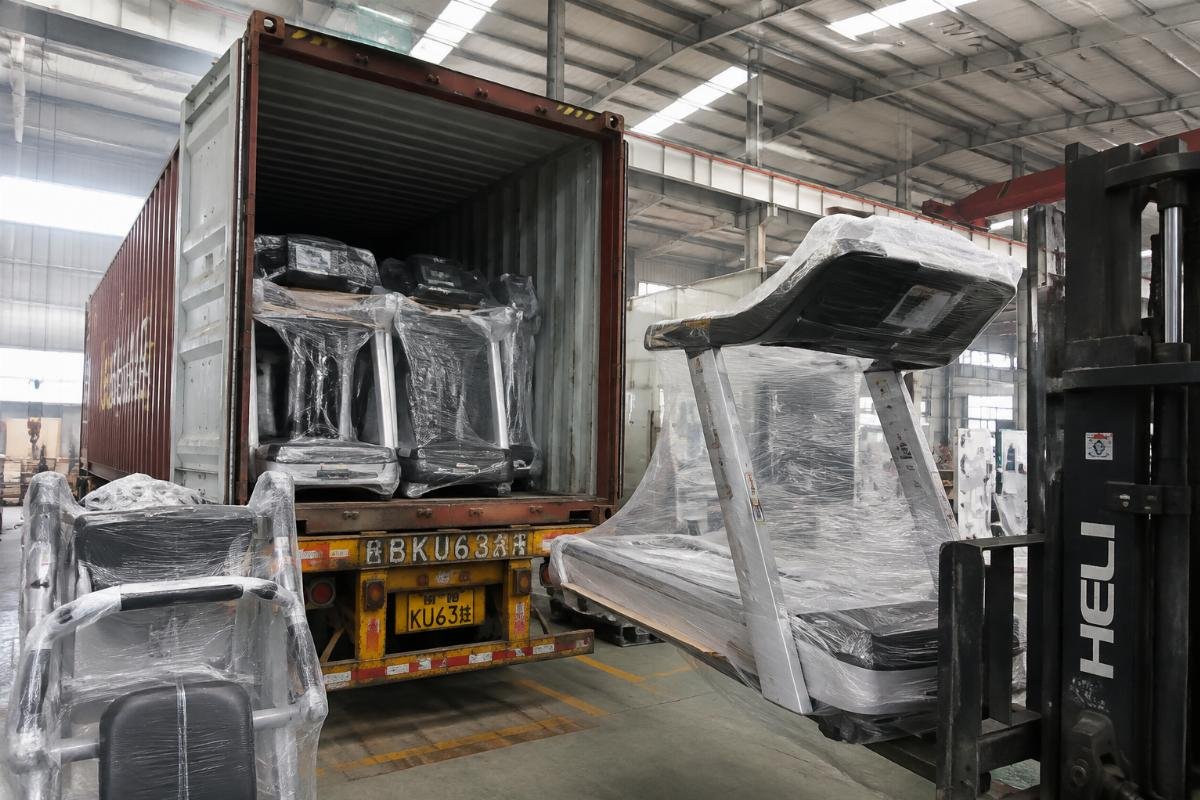
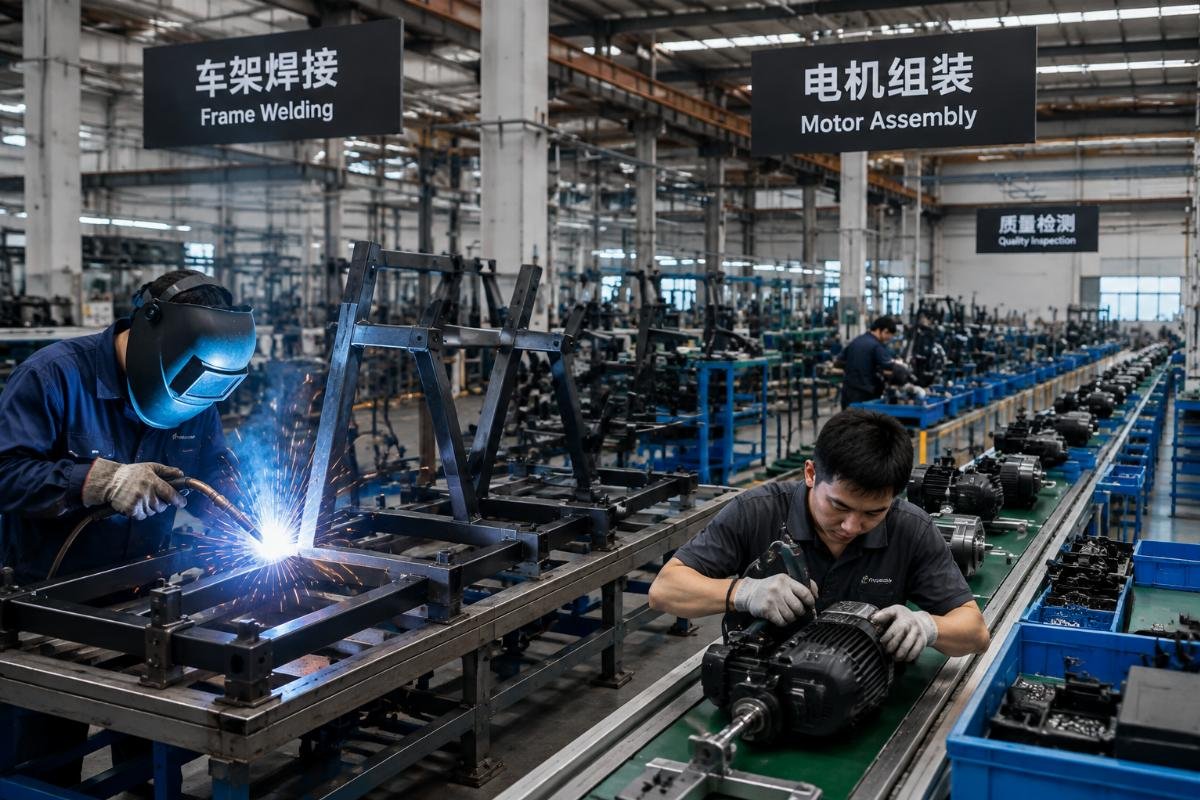
Bick, based in Shandong Province, is one such manufacturer. Their commercial cable crossover machines are built to the same heavy-duty standards used across their full strength equipment line — Smith machines, power racks, plate-loaded and selectorized machines — and carry CE certification for regulated markets. The OEM program supports private-label branding, flexible minimum order quantities from single units up to full gym fit-outs, and mixed-container consolidation so buyers can combine cable crossover units with cardio, free weights, and functional training gear in one shipment.
For a distributor in Africa building a new brand, this means you can launch a complete strength line under your own name without committing to a single-product massive order. For a gym chain in Latin America, it means standardizing on one supplier for the entire facility — cardio, strength, free weights, and flooring — with consistent build quality and a single warranty contact.
What Should You Ask Your Supplier Before Placing an Order?
Before signing a purchase order for a commercial cable crossover machine, confirm five specific items: bearing model and seal class, cable breaking strength rating, warranty scope and duration, spare parts availability timeline, and after-sales technical support structure.
These five questions separate suppliers who build for longevity from those who build for catalog appearance:
- Bearing model and seal class — get the exact bearing code in writing. If the supplier hesitates or says "all our bearings are high quality," that is a red flag.
- Cable breaking strength — request the certified breaking load value for the cable used, tested per applicable standard. [NEED_CITE: steel wire rope testing standard per applicable ISO or EN method]
- Warranty scope and duration — clarify what is covered (frame, bearings, cables, pulleys, weight stack), for how long, and what the claim process looks like for overseas buyers.
- Spare parts availability — confirm whether spare bearings, cables, and pulleys are stocked and what the lead time is for shipment. A supplier who cannot ship a replacement cable within a reasonable window will leave your machine idle for weeks.
- Technical support — ask whether the supplier provides installation guidance, maintenance schedules, and remote troubleshooting support. For OEM buyers, this includes branding artwork approval and packaging customization coordination.
A gym chain operator in Southeast Asia once ordered a batch of cable crossover machines from a supplier who quoted an attractive price but provided no written warranty terms. When the first units developed guide rail binding after several months of use, the operator spent weeks trying to get the supplier to acknowledge the issue. The supplier eventually sent replacement guide rods, but the shipping delay and installation downtime cost the chain far more than the original price savings.
Conclusion
A commercial cable crossover machine is only as good as its bearings, pulleys, and cable — and those components must match your venue’s climate and usage intensity. Stop comparing brochure words and start comparing engineering specs written into contracts. OEM factory-direct sourcing gives you commercial-grade quality at a fraction of branded pricing, provided you verify the right parameters and choose a manufacturer with transparent documentation and reliable after-sales support.