Buy Commercial Seated Row Machine | Bick OEM Manufacturer
Most buyers obsess over seat padding thickness, but the real failure point hides in the pin-to-tube clearance of the weight stack.
A true commercial seated row machine must meet three non-negotiable baselines: main frame tubing wall thickness no less than 3 mm, full-penetration welding on every load-bearing joint, and weight stack guide rod-to-selector pin clearance controlled within half a millimeter. Anything looser than this will wobble under daily gym use and trigger member complaints within weeks of opening.
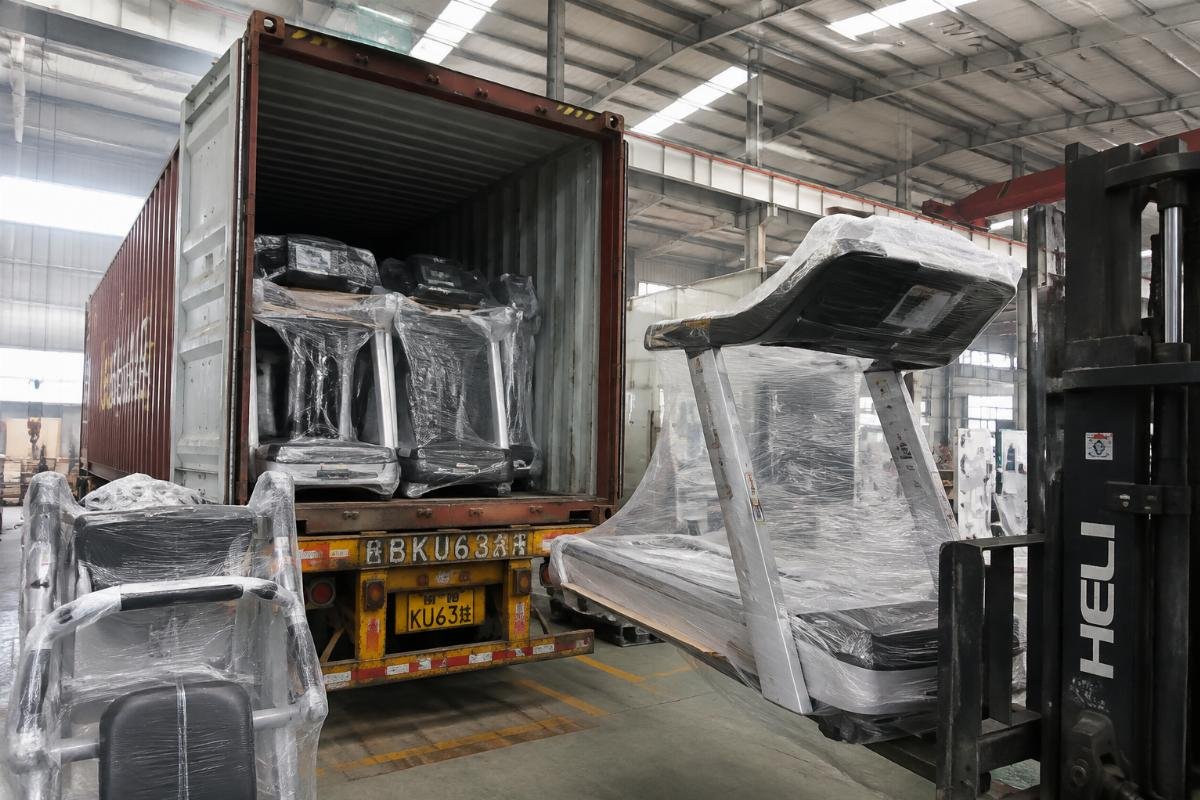
I still remember a full container of seated row machines we shipped to a fitness chain in the Middle East a few years back. The client wanted OEM branding, and we built them to what we thought was standard spec. When the containers landed and the gym opened, the owner called back furious—the selector pins rattled inside the weight tower, the stack shook on every rep, and members were walking out. We ended up flying a team out to dismantle and rebuild the entire batch on site. The rework cost wiped out the profit of that whole shipment. Since that day, I inspect every moving joint and weld node with obsessive scrutiny, especially on selectorized units. [NEED_CITE: tolerance stack-up effects on selectorized strength equipment per ISO 20957-1]
That painful lesson shaped how I now walk buyers through spec selection, factory verification, and cost comparison. Below is the framework I use when a gym owner, distributor, or hotel developer asks me to source a commercial seated row machine that will survive real-world abuse.
What Specs Define a True Commercial Grade Seated Row Machine?
The answer lies in three hidden dimensions most spec sheets ignore: tube wall thickness, weld penetration rate, and weight stack guide rod straightness.
Walk into any mid-tier gym and you will see seated row machines with frames that flex under heavy pulls. The root cause is almost always thin-wall tubing paired with intermittent stitch welding. A genuine commercial seated row machine uses main frame tubing with wall thickness at the 3 mm level or above, and every structural joint is full-penetration welded, not tacked. After welding, the frame must undergo stress-relief treatment; otherwise residual stress causes micro-cracks months later. [NEED_CITE: structural fatigue modes in commercial strength equipment frames]
| Parameter | Commercial-Grade Baseline | Light-Commercial / Home-Grade |
|---|---|---|
| Main frame tube wall | ≥ 3 mm | ≈ 2 mm |
| Welding method | Full penetration, stress-relieved | Intermittent stitch weld |
| Weight stack guide rod | Precision-ground, straightness verified | As-drawn rod, no straightness check |
| Selector pin-to-tube clearance | Tight, rattle-free | Noticeable play |
| Surface treatment | Acid-wash, phosphating, electrostatic powder coat | Spray paint only |
| Salt-spray endurance | Substantially extended | Vulnerable to early rust |
The weight stack system deserves its own deep dive. Most buyers assume heavier plates equal better feel. Wrong. What really determines smoothness is the straightness of the guide rods and the fit tolerance between the selector pin and the weight tube. If the clearance is too loose, the stack oscillates; if too tight, the pin jams mid-selection. [NEED_CITE: linear guide tolerance requirements for selectorized weight stacks]
I once inspected a competitor’s unit where the guide rods were visibly bowed by eye. Under load, the plates dragged against each other, creating a grinding noise that no amount of lubrication could fix. That machine was returned within months.
Cable and pulley systems also separate commercial from light-commercial. Commercial units use aircraft-grade steel cables with nylon-coated outer layers, routed through sealed bearings rated for continuous high-repetition use. The pull arm行程 angle must be adjustable to accommodate different user anthropometry—fixed-angle arms alienate shorter or taller lifters.
Plate-Loaded vs Selectorized Seated Row: Which Fits Your Gym?
High-traffic commercial floors should lean selectorized for lower maintenance; budget-constrained or CrossFit-style boxes may prefer plate-loaded for simplicity and lower upfront cost.
This is one of the most common questions I field from gym owners outfitting new facilities. The decision is not about which is universally better—it is about matching the machine type to your operational model.
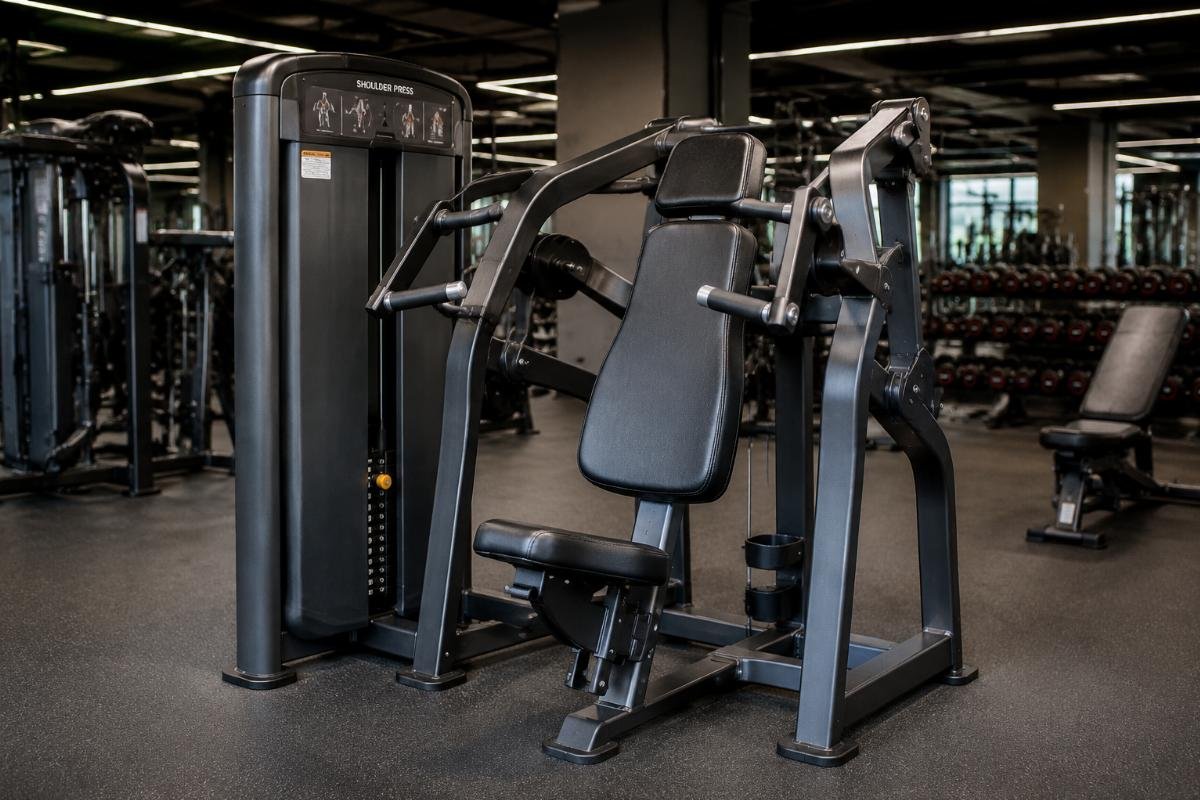
Selectorized commercial seated row machines use an integrated weight stack with a selector pin. Members pick a weight, insert the pin, and row. The advantages are clear: fast weight changes, no loose plates cluttering the floor, and a cleaner aesthetic that appeals to premium gym demographics. The trade-off is higher manufacturing complexity and, if tolerances are poor, the exact rattle problem I described earlier. [NEED_CITE: maintenance frequency comparison selectorized vs plate-loaded strength machines]
Plate-loaded units require users to load Olympic plates onto pegs. They are mechanically simpler—no weight stack, no guide rods, no selector pins to wear out. For CrossFit boxes, warehouse-style gyms, or facilities in regions where replacement plates are cheap and abundant, plate-loaded seated row machines offer rugged simplicity. The downside is slower weight transitions and the need for separate plate storage nearby.
| Factor | Selectorized | Plate-Loaded |
|---|---|---|
| Weight change speed | Fast, pin-insert | Manual plate loading |
| Floor space footprint | Compact, self-contained | Requires adjacent plate storage |
| Maintenance complexity | Higher (stack, cables, guides) | Lower (pivot points only) |
| Upfront unit cost | Higher | Noticeably lower |
| Ideal environment | Commercial gyms, hotels, fitness chains | CrossFit boxes, budget gyms, garage setups |
A hotel fitness center developer I worked with in Southeast Asia faced a space constraint. Their wellness floor had limited square footage, and they needed a seated row that would not dominate the layout. We supplied a compact selectorized model with a footprint under one and a half square meters, versus the standard two-plus square meters of a plate-loaded configuration. The space savings allowed them to add a functional trainer in the same zone, improving overall floor revenue per square meter.
How to Verify Factory Quality Before Placing a Bulk Order?
Demand weld cross-section photos, salt-spray test reports, and weight stack tolerance inspection records—not just glossy product renders.
This is where most overseas buyers get burned. They receive a beautiful catalog, a polished website, and a competitive quote. Then the containers arrive, and the reality does not match the brochure. I have seen this pattern repeat across multiple sourcing regions.
The verification process must go beyond surface-level audits. Here is the checklist I walk every buyer through:
- Weld cross-section documentation. Ask the factory to cut a sample weld joint, polish it, and photograph the cross-section under magnification. Full-penetration welds show uniform fusion through the entire tube wall. Stitch welds or incomplete fusion show visible gaps. [NEED_CITE: weld penetration inspection methods for fitness equipment frames]
- Salt-spray test report from a third-party lab. Surface treatment is not something you can judge by eye. A factory that uses proper acid-washing, phosphating, and electrostatic powder coating will have test reports showing extended salt-spray endurance. A factory that only spray-paints will either have no report or a self-generated one with suspiciously high numbers.
- Weight stack tolerance inspection sheet. For selectorized commercial seated row machines, request the actual measurement log of guide rod straightness and pin-to-tube clearance across a production batch. If the factory cannot produce this, they are not controlling the tolerance—they are hoping it falls within range.
- Bearing and cable specification traceability. Commercial-grade bearings should be traceable to their source. Cables should come with material certificates confirming steel grade and coating specification.
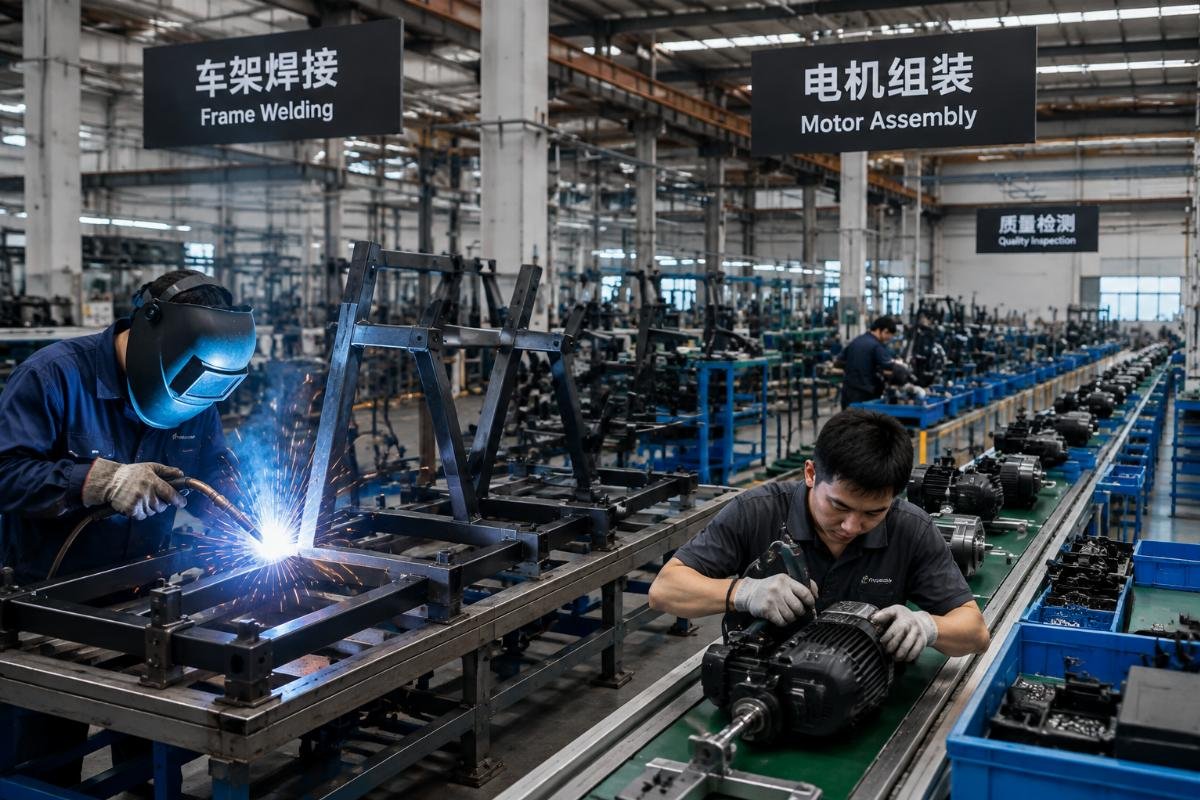
- On-site or live-video production audit. If you cannot visit Shandong or wherever your supplier is based, insist on a live video walkthrough during production, not a pre-staged tour. Watch how workers handle weld fixtures, how frames are aligned before welding, and whether stress-relief ovens are actually in use.
A distributor in Latin America once asked me to evaluate a factory that had quoted them an exceptionally low price for a full gym package. The catalog looked perfect. But when I requested weld cross-section photos, the factory sent only external weld bead shots—no cuts, no magnification. When I asked for salt-spray reports, they provided a certificate from an unknown lab with no contactable address. The weight stack tolerance sheet did not exist. The price was low because the quality controls were absent. The distributor switched to a verified supplier and avoided what would have been a catastrophic brand-damaging shipment.
What Is the Real Cost Difference Between OEM and Branded Machines?
A properly specced OEM commercial seated row machine costs substantially less than equivalent branded units, but the savings only hold if you verify after-sales parts supply and warranty terms.
This is the question every gym owner and distributor eventually asks. The short answer: the gap is significant, often in the range of a substantial percentage below top-tier global brands, when comparing equivalent configurations. But the long answer requires nuance.
Branded strength equipment carries costs that have nothing to do with the machine itself: global marketing campaigns, flagship showroom leases, regional distributor margins, and brand licensing fees. These costs are embedded in the unit price. When you buy OEM direct from a Shandong-based manufacturer like Bick, you strip those layers away. What remains is the actual cost of materials, labor, quality control, and logistics.
| Cost Component | Top-Tier Branded | OEM Factory-Direct |
|---|---|---|
| Base unit price | Premium tier | Noticeably lower |
| Brand premium | Embedded | Absent |
| Regional distributor margin | Multi-layered | Single-point |
| Custom branding / OEM labeling | Restricted or unavailable | Fully supported |
| Spare parts availability post-warranty | Expensive, long lead times | Direct from factory, faster |
| Minimum order flexibility | High MOQ, rigid SKUs | Flexible, single-unit to full-gym packages |
However, the lower price only translates to real savings if the OEM factory can back it up with reliable after-sales infrastructure. A cheap machine that sits broken for weeks because replacement cables or bearings take months to ship is not a saving—it is a liability. This is why I always advise buyers to confirm three things before signing: spare parts catalog availability, warranty claim response timeline, and technical support accessibility.
Bick’s model is built around this reality. We supply complete turnkey gym packages—cardio, strength, free weights, functional training, flooring—across multiple regions, with CE certification, full OEM branding capability, and flexible MOQ from single units to full container loads. The pricing advantage comes from factory-direct production in Shandong’s fitness equipment manufacturing cluster, not from cutting corners on tolerances or surface treatment.
Conclusion
Buying a commercial seated row machine is a tolerance and traceability game, not a catalog-shopping exercise. The frames must be thick-walled and fully welded, the weight stacks must run on precision-ground guides with tight pin clearance, and the factory must prove these claims with inspection documentation—not marketing photos. OEM sourcing delivers meaningful cost advantages over branded alternatives, provided you verify the supply chain behind the price tag.