
Multi-Function Smith Machine Wholesale Supplier for Hotel Group Deployment
Picking the cheapest unit per piece is the fastest way to blow a hotel rollout budget.
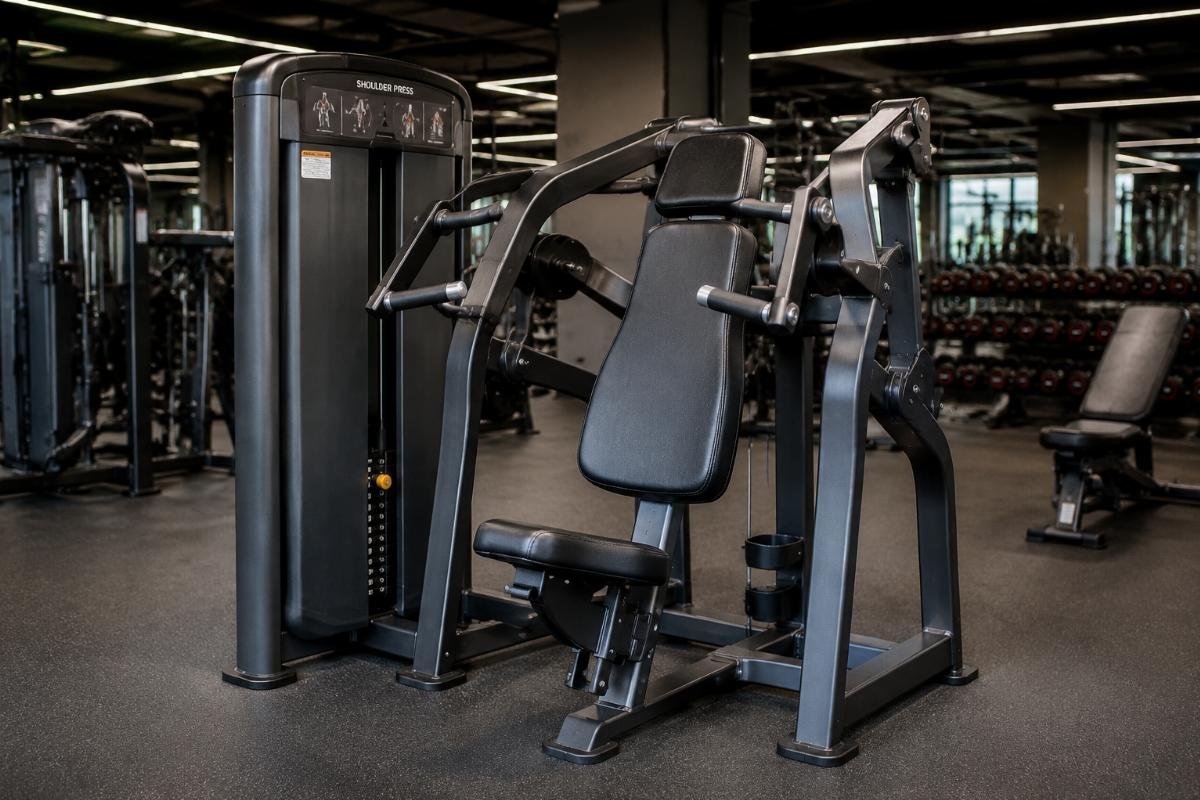
When deploying a multi-function Smith machine across multiple hotel properties, the real game shifts from single-unit selection to full-container standardized sourcing—balancing commercial durability, compact footprint, and brand consistency across every location.
Early in my career handling export documentation at Ningbo Port, I watched a full container of Smith machines bound for a Dubai hotel project sit stuck at Jebel Ali for nearly two weeks. The packaging marks didn’t match local customs requirements. The hotel’s grand opening got pushed back, and the buyer was firing off urgent emails every single day. That shipment taught me something no brochure ever will: getting the iron out of the factory means nothing if the paperwork, labeling, and container loading plan fall apart before it reaches the gym floor. Now, every time I handle a multi-property hotel order, I walk through CE files, shipping marks, and destination-port clearance documents before a single crate is sealed.
Let’s walk through what actually matters when you’re sourcing a multi-function Smith machine wholesale supplier for a hotel group rollout.
What Specifications Matter for Hotel Smith Machine Deployment?
Commercial-grade load capacity, compact footprint, and cable system durability are the three non-negotiable specs for any hotel fitness environment.
Unlike a standalone gym that can spread equipment across a large floor, hotel fitness rooms often share space with pools, spas, or meeting areas. Every square meter counts, and the machine must handle high turnover from guests of varying fitness levels without constant maintenance calls.
| Specification Factor | Hotel-Grade Requirement | Standard Home-Grade | Light Commercial |
|---|---|---|---|
| Frame Steel Thickness | Heavy-duty rectangular tube | Thin-wall tubing | Mid-range tube |
| Load Capacity Rating | Full commercial rating per EN ISO 20957 | Light residential use | Moderate commercial |
| Cable System Build | Multi-strand steel wire with protected routing | Basic nylon-coated cable | Standard commercial cable |
| Footprint Design | Compact vertical orientation | Wider stance | Variable |
| Maintenance Interval | Substantially extended service life | Frequent adjustment needed | Moderate intervals |
| CE/EN Certification | Full batch-level compliance documentation | Often not provided | Sample-level only |
A Southeast Asian hotel group once needed to equip several properties simultaneously, with multiple units per location. Their engineering team initially wanted the most feature-heavy model available. After reviewing actual guest usage patterns, we redirected them toward a modular design with fewer moving parts but a reinforced frame and heavier-gauge cable. The result: fewer service tickets across all properties, and the maintenance team could handle routine checks in-house without calling external technicians. [NEED_CITE: commercial fitness equipment durability standards per EN ISO 20957]
The key insight here is that hotel guests don’t need competition-grade attachments—they need a machine that feels solid, moves smoothly, and never breaks down during peak check-in hours. [NEED_CITE: hotel fitness center equipment failure impact on guest satisfaction]
How to Consolidate Multi-Property Orders into Container Loads?
Consolidating multiple hotel property orders into full container loads can reduce per-unit landed cost dramatically—but only if packaging standardization and distribution labeling are planned before production begins.
Most buyers focus on the unit price quoted by a multi-function Smith machine wholesale supplier and assume that’s where savings happen. The real cost trap sits in scattered LCL shipments, separate customs clearances per property, and damaged goods from insufficient packaging when machines share a container with other equipment.
Here’s how a properly planned container consolidation works:
-
Standardize the SKU configuration across all properties first. Even if one hotel wants a different upholstery color, keep the core frame and mechanical components identical. This allows the factory to run a single production batch and load everything into one container sequence.
-
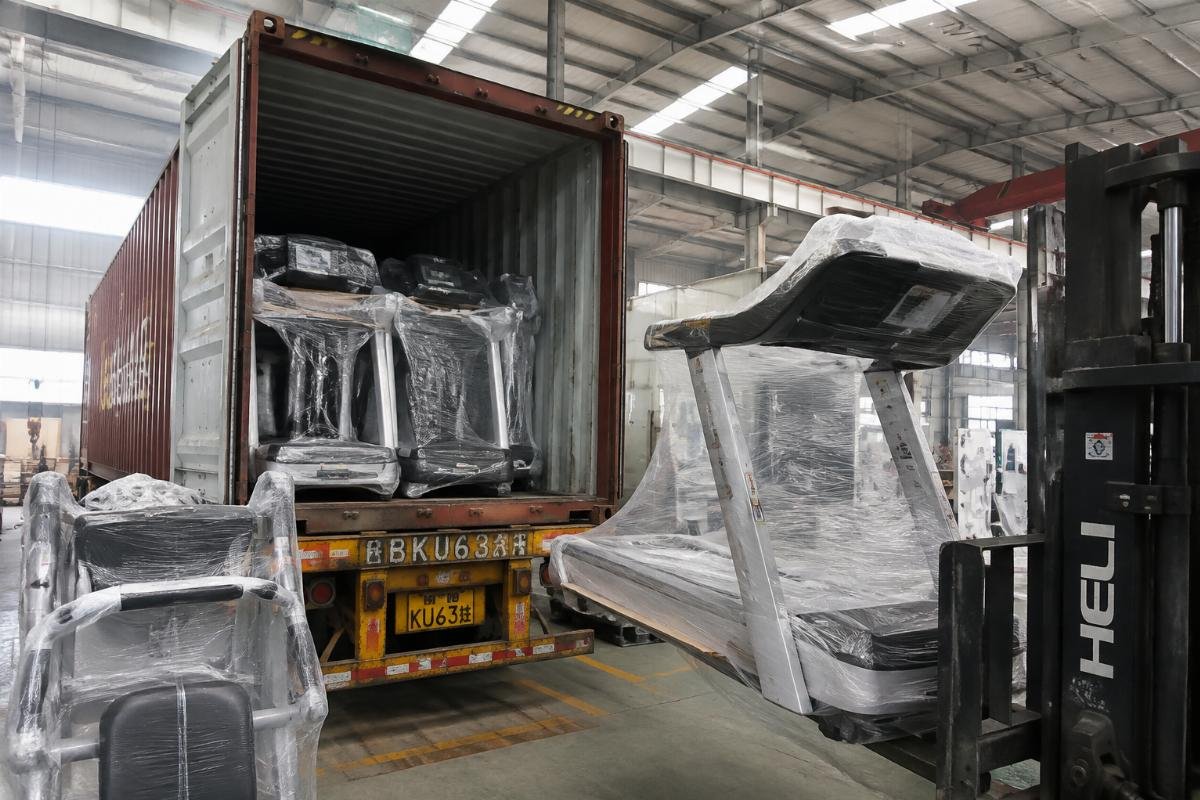
Plan the container loading sequence by destination. When a single container serves multiple hotel locations, each property’s units must be shrink-wrapped, strapped, and labeled separately with clear destination marks. Mixing units without separation leads to costly sorting at the receiving warehouse.
-
Use reinforced corner packaging for ocean freight. Hotel gym equipment often ships alongside tiles, furniture, or FF&E items. The Smith machine’s carton must withstand stacking pressure from heavier cargo above.
A Middle East resort project once ordered equipment for several villas and a main clubhouse. We grouped all Smith machines into dedicated container zones by property, with each zone carrying its own packing list and customs declaration. When the shipment arrived at the destination port, the local forwarding agent cleared everything in a single entry rather than processing multiple small shipments. The time saved on customs alone was substantial. [NEED_CITE: container consolidation cost savings for fitness equipment import]
The mistake many buyers make is treating each property as a separate purchase order. When you’re working with a multi-function Smith machine wholesale supplier who understands project logistics, consolidating into full containers transforms the entire cost structure.
Can You Customize Branding Across Multiple Hotel Locations?
OEM and ODM services allow hotel groups to maintain unified visual identity across all fitness centers—but locking in mold costs and minimum order quantities requires upfront planning.
Hotel chains invest heavily in brand consistency. The fitness center is no exception. Guests walking into a gym in one city should see the same equipment aesthetics, logo placement, and color scheme as they would in another property thousands of miles away.
Working with a multi-function Smith machine wholesale supplier that offers full OEM capability means you can specify:
- Custom frame powder-coat color matched to the hotel’s interior design palette
- Embossed or silk-screened logos on the weight horn, shroud, and adjustment handles
- Tailored upholstery color and stitching pattern aligned with the brand’s soft furnishings
- Customized instruction placards in multiple languages for international guest demographics
However, OEM customization carries setup costs. A new color requires a dedicated powder-coat batch run. A custom logo placement may need a new screen or mold. These costs make sense when spread across a large order, but become burdensome if the buyer places tiny repeat orders for each property separately.
A branded apartment chain in Europe needed identical Smith machines across multiple residential locations. By committing to a single large production run with all units shipped in phased container loads over several months, they absorbed the OEM setup cost across the entire fleet. Each subsequent container carried the same branding without re-triggering mold fees. [NEED_CITE: OEM mold cost amortization strategy for fitness equipment]
The critical point: don’t treat OEM as an afterthought. Engage the multi-function Smith machine wholesale supplier’s engineering team at the project’s earliest stage to confirm which customizations require new tooling and which can be achieved through standard finishing options.
What Quality Checks Prevent Delays at Destination Ports?
Pre-shipment CE documentation compliance, standardized shipping marks, and verified container loading photos form the three layers of protection against customs delays.
Nothing destroys a hotel opening timeline faster than equipment stuck at the port. I’ve seen projects where the gym was built, the flooring was installed, the mirrors were hung—and the Smith machines sat in a customs bonded warehouse because a single certificate was missing or a shipping mark didn’t match the commercial invoice.
Here’s the verification checklist that should be completed before any container leaves the factory:
-
CE Declaration of Conformity and test reports must reference the exact model and production batch. Generic certificates that don’t match the specific SKU will be rejected by EU, Middle East, and many Asian customs authorities. [NEED_CITE: CE documentation requirements for fitness equipment import into EU markets]
-
Shipping marks on every carton must match the packing list and commercial invoice character-for-character. This includes the consignee name, destination port, container number, and carton sequence. Even a minor typo can trigger a manual inspection.
-
Container loading photos must document the sealing process. Photos showing the container number, the seal number, and the loaded interior provide evidence in case of any cargo dispute or customs query at destination.
-
Fumigation certificates and wood packaging declarations must be prepared if wooden crates or pallets are used. Many countries require ISPM-15 compliant wood packaging with visible treatment stamps.
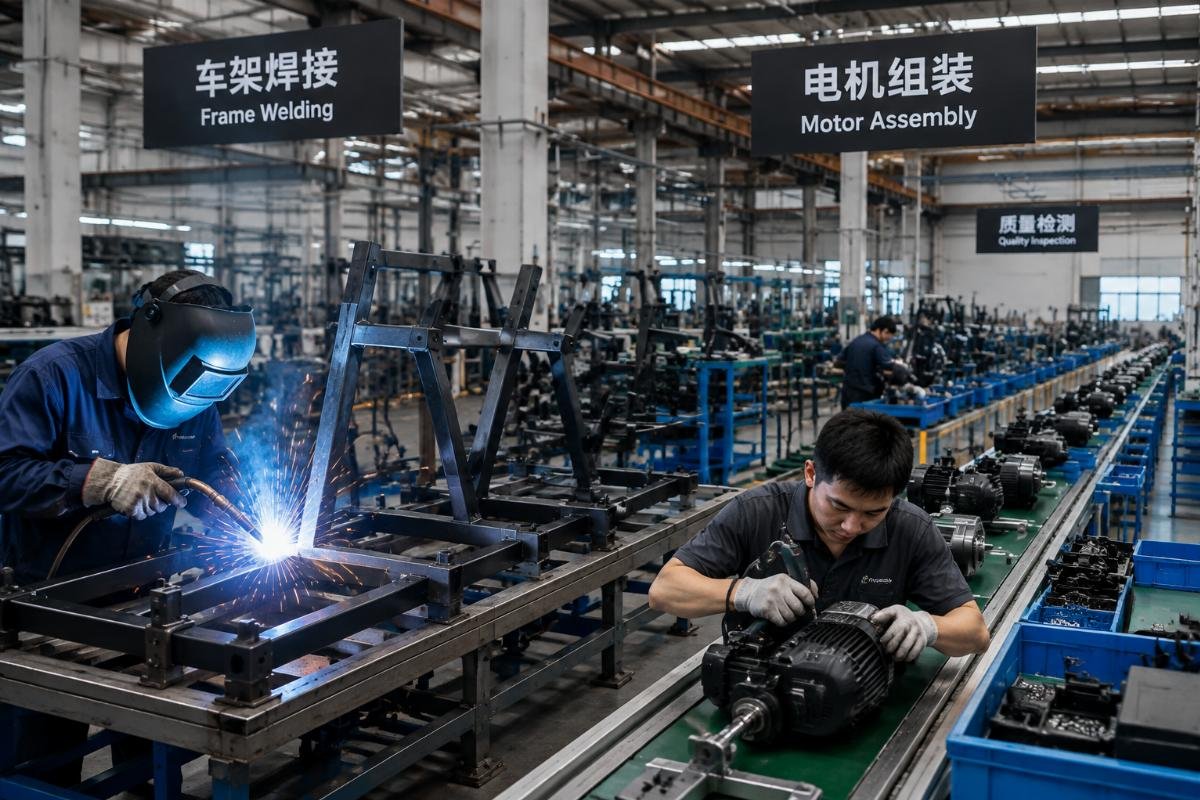
A hotel group in the Gulf region once faced a situation where their first shipment of gym equipment was held because the CE certificate listed a slightly different model designation than what appeared on the invoice. The correction required the factory to issue an amended certificate, which took days to process while the container accumulated demurrage charges. After that experience, we implemented a triple-check protocol: the production team, the documentation team, and the logistics team each independently verify that all certificates, invoices, and packing lists are perfectly aligned before the container is sealed.
When you choose a multi-function Smith machine wholesale supplier with export experience, these quality gates should be built into their standard process—not something you have to chase down yourself.
Conclusion
A successful multi-property hotel deployment depends on treating the entire rollout as a single integrated project rather than a series of individual purchases.
From specification selection that prioritizes durability over feature count, to container consolidation that slashes landed costs, to OEM branding that maintains visual consistency, to pre-shipment documentation that prevents port delays—every step requires coordination between the buyer’s project team and a multi-function Smith machine wholesale supplier who understands the unique demands of hospitality fitness environments.