
Hex Rubber Dumbbell Set Wholesale Pricing for Chile Commercial Gyms
Cheaper hex rubber dumbbells often cost more in the long run—material grade, weight tolerance, and packaging decisions quietly dominate the landed price to Chile, not the FOB quote you see first.
For Chile commercial gym buyers, hex rubber dumbbell set wholesale pricing typically breaks down into three cost layers: rubber material grade accounts for roughly half the unit cost, weight tolerance control takes a meaningful share, and ocean freight plus moisture-proof packaging fills the rest. Choosing the right rubber grade for your usage scenario—rather than chasing the lowest per-kilogram quote—determines whether your dumbbells survive a year or crack within months.
I still remember a shipment that landed in Santiago a while back. The gym owner opened the container, pulled out a pair of 20 kg hex dumbbells, and immediately sent me a video: the rubber surface had turned chalky white, and the chemical smell made his trainers cover their noses. The batch had been priced aggressively low, built with recycled rubber compound and minimal sulfur curing time. Within weeks, micro-cracks appeared along the hex edges where the dumbbells repeatedly struck the floor. That single order taught me to look at hex rubber dumbbell set wholesale pricing through a completely different lens—not as a number on a proforma invoice, but as a reflection of material choices, precision standards, and shipping reality [NEED_CITE: failure mode distribution in rubber-coated free weights under commercial use conditions].
Let me walk you through what actually drives the price, and how Chile buyers can make smarter sourcing decisions.
What Determines Hex Rubber Dumbbell Set Wholesale Pricing?
The wholesale price of hex rubber dumbbell sets is shaped by three factors: rubber material grade, weight tolerance control, and ocean shipping configuration—each contributing a distinct layer to the final landed cost in Chile.
Many buyers focus almost entirely on the per-kilogram FOB price, but that number tells only part of the story. The rubber compound itself—whether it uses virgin natural rubber, a recycled blend, or low-grade reclaimed material—forms the largest cost component. Precision in weight calibration adds another layer, because tighter tolerance requires more frequent checking and selective assembly. And the shipping method, especially the choice between full container load and less-than-container load with moisture protection, reshapes the per-unit landed cost in ways that surprise first-time importers [NEED_CITE: cost structure breakdown of rubber-coated fitness equipment imports to South American markets].
Here is how these three layers compare across typical sourcing options:
| Cost Factor | Virgin Rubber + Tight Tolerance + FCL | Recycled Blend + Standard Tolerance + LCL with Moisture Protection | Reclaimed Rubber + Loose Tolerance + LCL Bare Load |
|---|---|---|---|
| Material Cost Share | Substantially higher | Moderate | Noticeably lower |
| Weight Consistency | Controlled | Standard | Uncontrolled |
| Moisture Damage Risk | Resistant | Standard | Vulnerable |
| Odor After Unpacking | Noticeably reduced | Acceptable | Strong chemical smell |
| Surface Cracking After Extended Use | Substantially extended service life | Moderate durability | Early cracking likely |
A gym chain in Santiago once compared two quotes side by side. The cheaper option used reclaimed rubber with loose weight tolerance and bare LCL shipping. The slightly higher quote used virgin rubber compound, tighter tolerance, and moisture-sealed packaging inside a shared container. The first batch showed visible rubber degradation and weight complaints within a short period. The second batch remained in good condition through heavy daily use, and the gym reordered without hesitation. The per-kilogram price difference was modest, but the total cost of ownership told a very different story [NEED_CITE: comparative durability testing of virgin versus recycled rubber compounds in fitness equipment].
The key takeaway: hex rubber dumbbell set wholesale pricing is not a single number—it is a combination of material integrity, manufacturing precision, and logistics planning.
Which Rubber Grade Suits Chile Commercial Gyms Best?
Virgin natural rubber compound suits high-traffic commercial gyms, while recycled rubber blends work for low-frequency hotel or apartment fitness rooms—the choice should match daily usage intensity, not just budget.
Rubber grade is the single biggest factor hiding inside hex rubber dumbbell set wholesale pricing, and it is also the hardest to verify from a product photo alone. Here is what the main grades look like in practice:
- Virgin natural rubber: High elasticity, low odor after curing, strong resistance to cracking and aging. The surface stays intact even under repeated drops on hard flooring. This grade is designed for environments where dumbbells are used heavily throughout the day—commercial gyms, CrossFit boxes, and university training centers.
- Recycled rubber blend: A mix of processed rubber and filler materials. Odor is moderate and fades over time. Durability is acceptable for moderate use but degrades noticeably under constant heavy loading. Suitable for hotel gyms, apartment fitness rooms, and boutique studios with lighter daily traffic.
- Reclaimed rubber: The lowest cost option, often with a strong chemical smell that lingers. The rubber layer becomes brittle relatively quickly, especially at the hex edge contact points. This grade creates long-term replacement headaches for any serious commercial operation [NEED_CITE: aging and odor performance comparison of rubber grades used in fitness free weights].
The hex shape itself plays a role here that many buyers overlook. When a hex dumbbell lands on one of its flat faces, the impact force distributes more evenly across the rubber surface compared to a round dumbbell, where the contact point is smaller and more concentrated. This means the rubber layer on a hex dumbbell experiences less localized stress per drop, which extends its functional life—provided the rubber compound itself is adequate. A poor rubber grade will still fail quickly regardless of shape, but a good rubber grade on a hex dumbbell benefits from this stress distribution advantage.
I have seen hotel gym operators in Valparaíso choose recycled blends and remain satisfied because their equipment sees light daily use. But a commercial gym in Concepción running back-to-back classes all day needed virgin rubber from the start—anything less led to visible surface damage and member complaints about odor within a short timeframe.
How Do Shipping Methods Affect Landed Cost to Chile?
Full container load shipping offers the lowest per-unit freight rate but ties up more capital, while less-than-container load with proper moisture protection often delivers a better actual landed cost for Chile buyers purchasing mid-volume orders.
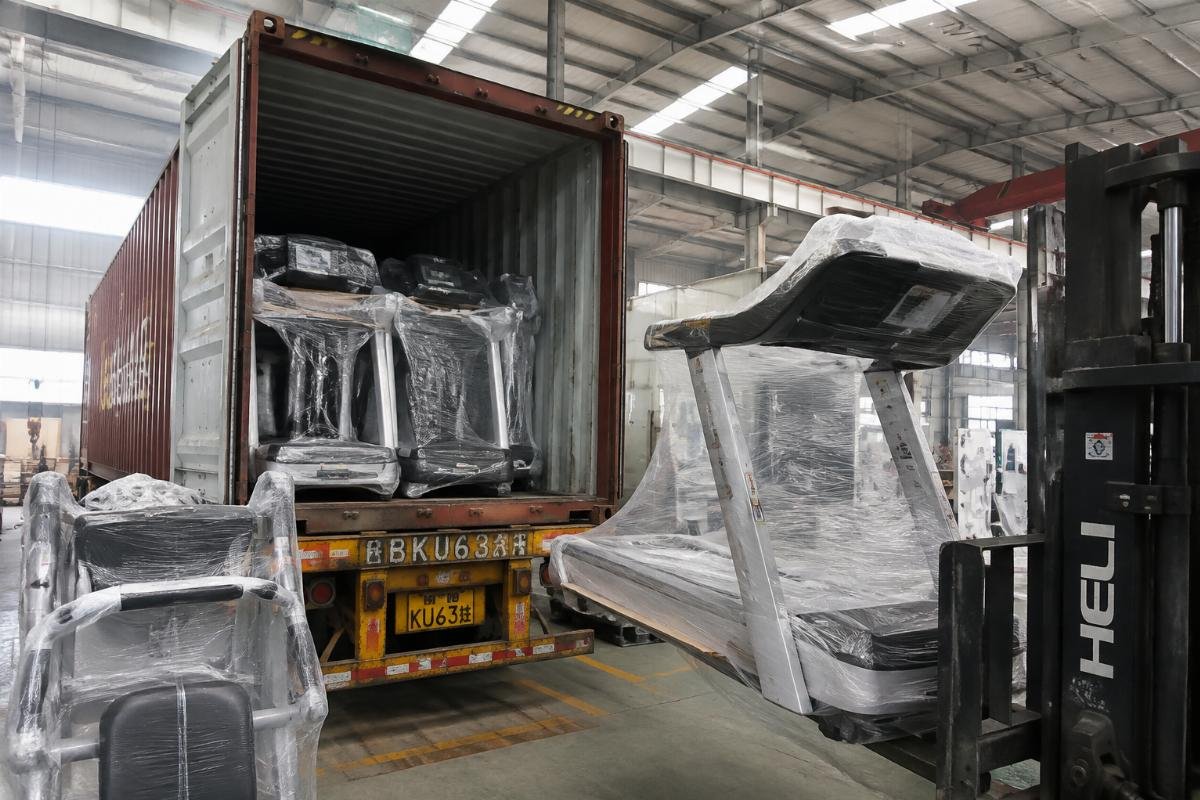
Chile’s geography means every shipment crosses the Pacific Ocean and passes through customs at ports like San Antonio or Valparaíso. The ocean transit time is substantial, and the humidity environment inside a container can be harsh—especially for iron-core dumbbells where any exposed metal surface is vulnerable to rust.
Here is how the main shipping options compare for hex rubber dumbbell set wholesale pricing:
| Shipping Method | Freight Cost Per Unit | Capital Commitment | Moisture Risk | Best For |
|---|---|---|---|---|
| Full Container Load (FCL) | Noticeably lower per unit | High—entire container paid upfront | Moderate if bare-loaded, low if wrapped | Large gym chains stocking multiple weight stations |
| LCL with Moisture-Sealed Packaging | Moderate per unit | Flexible—pay for actual volume used | Noticeably reduced with proper wrapping | Mid-size gyms, hotel chains ordering in phases |
| LCL Bare Load | Lowest apparent freight cost | Flexible | Vulnerable—high rust and rubber staining risk | Not recommended for Chile ocean transit |
The moisture issue deserves special attention. A container crossing the Pacific experiences significant temperature swings between day and night, which causes condensation inside the container—commonly called "container rain." Without moisture-barrier wrapping around each pallet or carton, iron handles and exposed chrome plates can develop surface rust before the cargo even reaches the gym floor. The cost of moisture-sealed packaging adds a modest amount to the unit price, but it prevents cargo damage that would otherwise far exceed that small investment [NEED_CITE: container condensation damage rates for metal fitness equipment on Pacific ocean routes].
A gym operator in Antofagasta once chose bare LCL shipping to save on freight. When the container arrived, several cartons had water stains, and a portion of the dumbbell handles showed early rust spots. The cleaning and replacement effort cost several times what proper moisture wrapping would have added. Since then, they have specified moisture-sealed packaging as a standard requirement for every order.
What Weight Tolerance Should Chile Buyers Require?
Commercial gym environments should specify tight weight tolerance to maintain training credibility and reduce member complaints, while training-focused facilities with experienced users can accept a slightly wider tolerance range.
Weight tolerance is a quiet but critical factor inside hex rubber dumbbell set wholesale pricing. The difference between tight and loose tolerance is not just a manufacturing detail—it directly affects how your members perceive equipment quality and how often your staff handles complaints.
Here is a practical tolerance comparison:
| Tolerance Level | Typical Application | Manufacturing Effort | Buyer Risk If Uncontrolled |
|---|---|---|---|
| Tight Tolerance | Commercial gyms, personal training studios | Higher—requires individual weighing and selective assembly | Low complaint rate, consistent training experience |
| Standard Tolerance | Hotel gyms, apartment fitness rooms, general fitness centers | Moderate—batch-level checking | Occasional complaint, manageable |
| Loose Tolerance | Budget retail, low-usage environments | Minimal—basic production line output | Frequent complaints, training credibility受损 |
In commercial settings, gym members notice when a 20 kg dumbbell feels lighter or heavier than the one next to it. This inconsistency creates frustration and undermines trust in the equipment. Tight tolerance ensures that every dumbbell labeled 20 kg actually delivers a consistent lifting experience across the entire set.
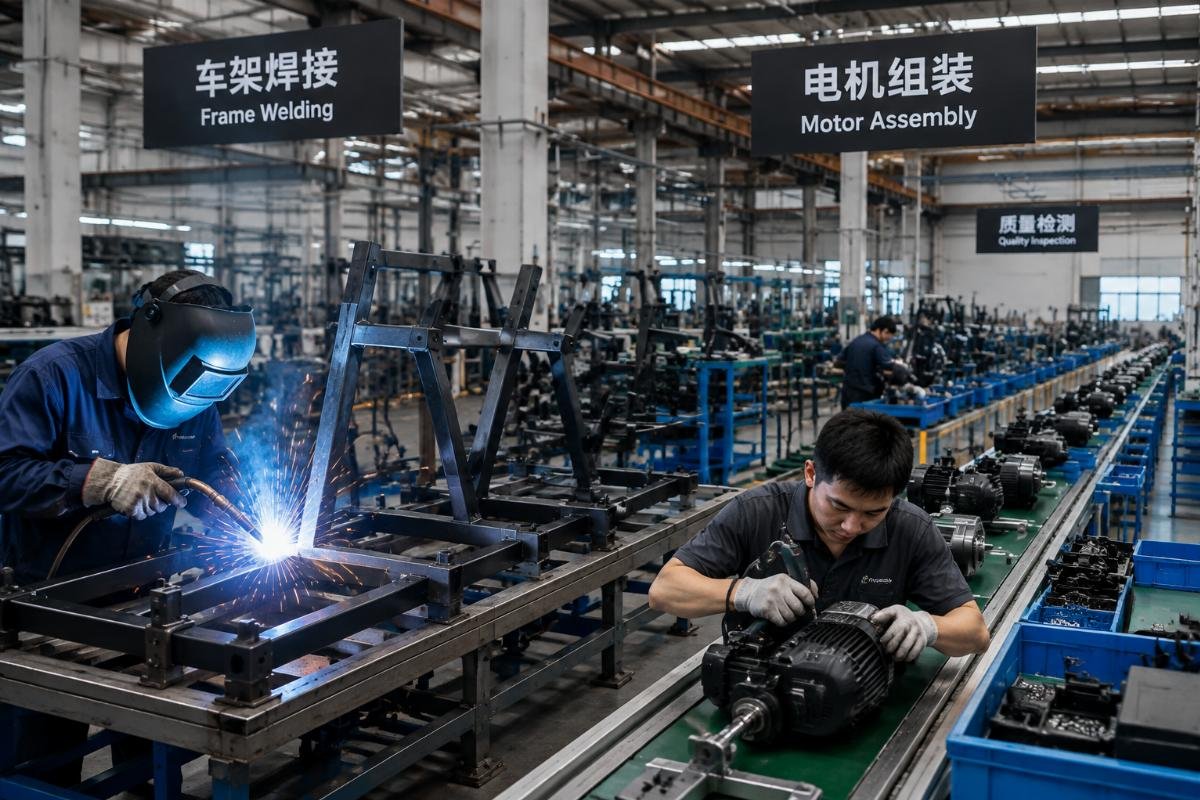
At Bick, we control weight tolerance through a multi-step verification process. Each dumbbell head is weighed individually after the rubber coating is applied, and any unit falling outside the specified range is pulled from the batch before packing. This process is documented in inspection reports that buyers can review before shipment. For Chile commercial gym buyers, requesting these tolerance verification documents is a practical way to confirm that the hex rubber dumbbell set wholesale pricing you are paying includes real quality control—not just a label on the carton [NEED_CITE: weight tolerance verification standards for commercial fitness free weights].
A CrossFit-affiliated training馆 in Santiago learned this the hard way. Their first order used loose tolerance dumbbells, and coaches quickly noticed that paired sets did not match. Members complained that their lifts felt inconsistent. The gym switched to tight tolerance dumbbells on their next order, and the complaints dropped noticeably. The per-kilogram price increase was small compared to the improvement in member satisfaction and coach confidence.
How to Negotiate Volume Discounts with Chinese Manufacturers?
Combining an initial trial order with an annual framework agreement unlocks meaningful volume discounts while locking in material grade and tolerance standards—this approach protects both price and quality for Chile buyers.
Negotiating hex rubber dumbbell set wholesale pricing with Chinese manufacturers is not just about pushing the per-kilogram number down. The most effective buyers structure their purchasing in a way that gives the manufacturer confidence in long-term volume, which in turn creates room for price concessions without sacrificing quality.
Here is a proven approach:
- Start with a trial order: Place a smaller initial order to test product quality, packaging condition after ocean transit, and the manufacturer’s communication responsiveness. This order may carry a slightly higher unit price, but it serves as a real-world quality check.
- Sign an annual framework agreement: Once the trial order confirms quality, negotiate a framework contract covering projected annual volume. This gives the manufacturer production planning certainty and opens the door to volume-based pricing tiers.
- Lock in specifications within the agreement: Specify rubber grade, weight tolerance range, packaging requirements, and inspection documentation as fixed terms in the framework. This prevents the manufacturer from quietly downgrading materials on future shipments to protect their margin.
- Schedule phased shipments: Instead of one massive order, arrange quarterly or semi-annual shipments aligned with your gym expansion or replacement cycle. This reduces your capital commitment and keeps inventory fresh.
Buyers who use this structure typically secure meaningful discounts compared to one-off spot purchases, while also gaining contractual protection on the quality parameters that matter most. The manufacturer benefits from predictable order flow, and the buyer benefits from consistent product quality at a competitive hex rubber dumbbell set wholesale pricing level [NEED_CITE: volume discount negotiation frameworks for fitness equipment imports from China to Latin America].
A fitness equipment distributor in Chile adopted this approach after experiencing quality inconsistency across multiple small orders. By consolidating their purchasing into a framework agreement with clear specifications, they stabilized both pricing and product quality across their client base of commercial gyms and hotel fitness centers.
Conclusion
Hex rubber dumbbell set wholesale pricing to Chile is determined by rubber material grade, weight tolerance precision, and shipping configuration—not just the FOB number on the invoice.
Chile commercial gym buyers who match rubber grade to usage intensity, specify appropriate weight tolerance, and choose moisture-protected shipping methods consistently achieve better long-term value than those who optimize for the lowest initial quote. Combining trial orders with annual framework agreements further strengthens both pricing and quality consistency.