Commercial Hack Squat Machine Manufacturer for Belarus Wholesale OEM Factory Direct Price
The cheapest machine on the invoice is often the most expensive one at the customs border.
Sourcing a Commercial Hack Squat Machine Sourcing Guide for Belarus requires strict adherence to CE certification and precise HS code classification to avoid costly customs detention. The primary bottleneck for importers in Minsk is not freight availability, but documentation accuracy. A single missing page in the CE technical file or an incorrect tariff classification can result in weeks of port storage fees that exceed the equipment’s value. Successful procurement hinges on verifying the manufacturer’s ability to provide compliant nameplates and consolidated logistics solutions before payment.
I still remember the smell of stale coffee and panic in a customs broker’s office in Manzanillo. It wasn’t my cargo, but the lesson stuck. A client had imported a container of strength equipment, including a heavy-duty hack squat. The broker, trying to save a few dollars on duties, classified the unit as a "general gym accessory" rather than a "strength training machine." The difference in tariff rates was significant, but the real cost was time. The container sat for nearly three weeks while authorities demanded original test reports and clarified the mechanical nature of the equipment. By the time it cleared, the demurrage charges had eaten into the entire profit margin. That experience shaped how I view every shipment heading to complex regulatory environments like Belarus. It is not just about moving metal; it is about moving data that matches the metal.
This guide breaks down the technical and logistical realities of importing strength equipment into Belarus. It focuses on the specific hurdles faced by gym owners and distributors who need reliable gear without the administrative nightmares. We will look at why standard sourcing practices fail in this region and how to structure your order for smooth clearance.
Why Do Hack Squat Imports to Belarus Face Customs Delays?
Customs delays are rarely random; they are usually the result of predictable documentation gaps.
The Eurasian Economic Union, which includes Belarus, has harmonized many customs procedures, but enforcement remains rigorous regarding industrial and fitness machinery. The core issue lies in the distinction between general recreational goods and professional strength equipment. [NEED_CITE: EAEU customs classification guidelines for sports equipment] When a Commercial Hack Squat Machine Sourcing Guide for Belarus is ignored, importers often fall into the trap of using vague descriptions on their commercial invoices.
A common mistake is listing the item simply as "gym equipment." This triggers a manual inspection because the term is too broad for automated clearance systems. Customs officers need to know if the item is electronic, mechanical, or purely structural. For a hack squat, which involves a sliding carriage and weight stack, the mechanical nature must be explicit. If the HS code does not match the physical description, the shipment is flagged.
Consider the case of a distributor in Minsk who ordered a mixed container of cardio and strength machines. The cardio units cleared quickly because their HS codes are well-established. However, the strength machines, including several hack squats, were held for verification. The supplier had provided a CE certificate, but it was a generic "factory compliance" letter rather than a specific test report for the model in question. The authorities required proof that the machine met safety standards for load-bearing capacity. Without this specific document, the goods remained in bonded storage.
To avoid this, the commercial invoice must detail the function, material composition, and intended use. The packing list should match the invoice exactly, down to the number of bolts and separate boxes. Any discrepancy, no matter how small, gives customs a reason to pause the process. Verification of these documents before the ship leaves the port of loading is the only way to ensure timely arrival.
What Technical Specs Define a Commercial-Grade Hack Squat?
Durability in a commercial setting is defined by steel gauge and biomechanical precision, not just aesthetic appeal.
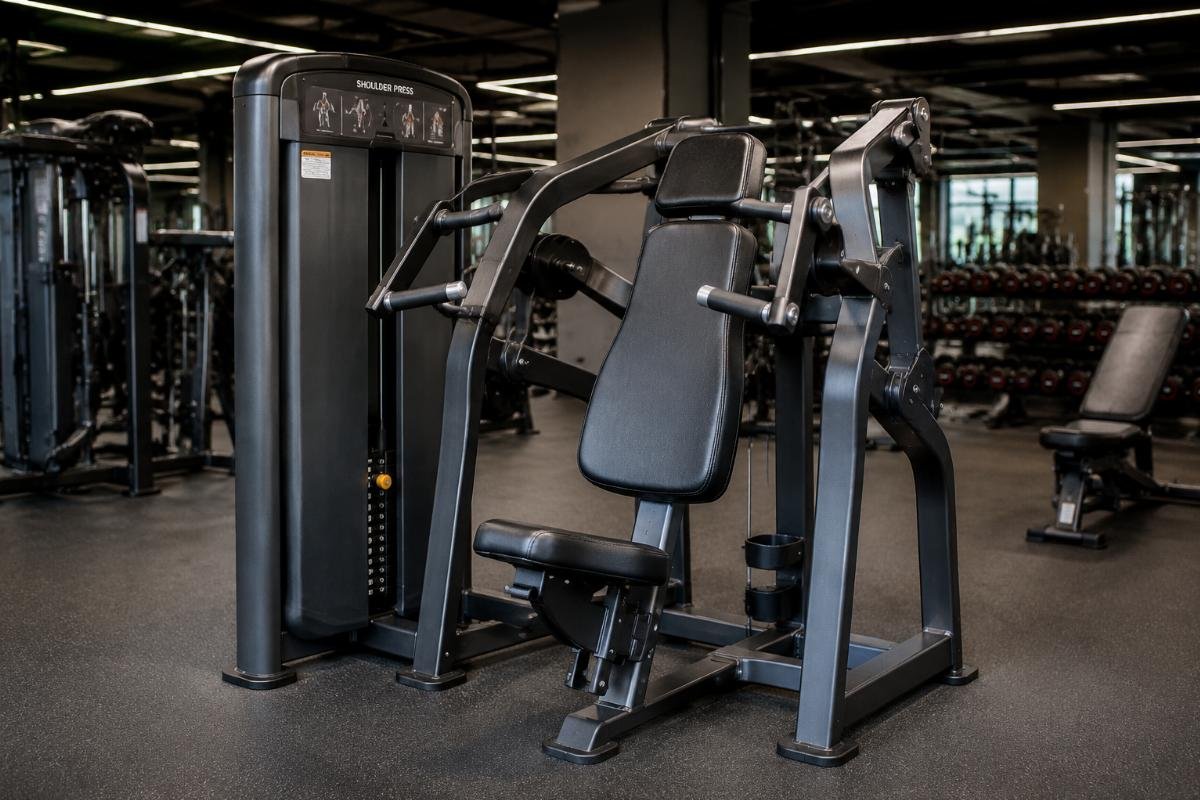
When evaluating a Commercial Hack Squat Machine Sourcing Guide for Belarus, buyers must look beyond the glossy photos. The physical demands of a high-traffic gym in Minsk require equipment that can withstand continuous use without structural fatigue. The key specifications revolve around the frame construction, the sliding mechanism, and the weight stack integration.
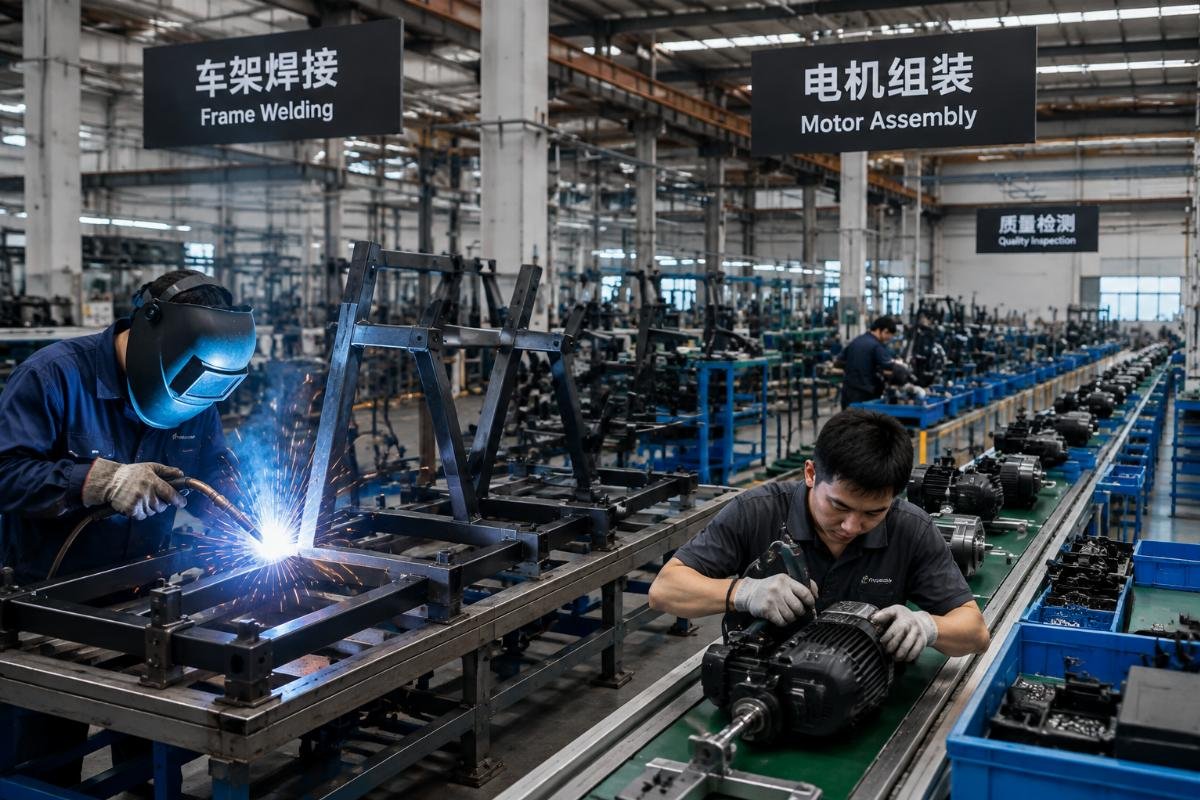
The frame should be constructed from heavy-gauge steel. Thin-walled tubing may look similar in a showroom but will flex under heavy loads, leading to weld failures over time. A robust hack squat uses rectangular or oval tubing with sufficient wall thickness to resist torsion. The welding points should be clean and consistent, indicating automated robotic welding rather than manual spot welding, which can have weak spots.
The sliding carriage is the heart of the machine. It must move smoothly along the rails without wobbling. High-quality bearings or bushings are essential here. If the mechanism is noisy or jerky, users will avoid the machine, reducing its utility for the gym owner. The angle of the sled is also critical. A standard 45-degree angle is common, but some designs offer adjustable angles to target different muscle groups. The footplate should be large enough to accommodate various stances and have a non-slip surface.
| Feature | Basic/Residential Grade | Commercial/Professional Grade |
|---|---|---|
| Frame Material | Light-gauge round tubing | Heavy-gauge rectangular/oval steel |
| Welding Quality | Manual, visible inconsistencies | Robotic, uniform and clean |
| Sliding Mechanism | Standard bushings, potential noise | Precision bearings/bushings, silent operation |
| Weight Stack | Integrated, limited capacity | Separate or integrated, high capacity |
| Certification | Self-declared compliance | Third-party tested CE certification |
[NEED_CITE: ISO standards for stationary training equipment safety requirements]
A buyer once sourced a batch of hack squats that looked impressive online. Upon arrival, the frames were made of thin, round tubing. Within months, several units developed cracks at the base welds due to the dynamic load of heavy squats. The cost of replacing these units far exceeded the initial savings. Investing in verified commercial-grade specs prevents such operational disruptions.
How to Verify Supplier Credibility and Product Quality?
Trust is built on verifiable documents, not persuasive sales pitches.
Finding a reliable partner for a Commercial Hack Squat Machine Sourcing Guide for Belarus involves more than checking Alibaba ratings. It requires a deep dive into the manufacturer’s quality control processes and certification validity. Many suppliers claim to have CE certification, but few can produce the full technical file upon request.
The first step is to request the CE Declaration of Conformity and the associated test reports. These documents should reference the specific model number of the hack squat. Generic certificates that cover "all products" are red flags. The test reports should include details on stability, load testing, and material safety. If a supplier hesitates to share these, it is likely because they do not have them or they are not valid.
Next, verify the OEM branding capabilities. A serious manufacturer will have a clear process for applying custom logos and nameplates. The nameplate is not just a marketing tool; it is a legal requirement for CE compliance. It must display the manufacturer’s details, model number, serial number, and year of manufacture. If the nameplate is missing or incorrect, customs can reject the entire shipment as non-compliant.
I recall working with a hotel chain that needed branded equipment for their new fitness center. They chose a supplier based on low price. When the samples arrived, the logo was printed on a sticker rather than engraved or plated. The sticker peeled off within weeks. More importantly, the nameplate lacked the required CE mark details. The hotel had to halt the opening of their gym until proper plates were sourced and installed, causing significant reputational damage.
Requesting a video audit of the production line can also reveal much about a supplier’s capability. Look for organized workstations, quality control checkpoints, and finished goods inspection areas. A chaotic factory floor often translates to inconsistent product quality.
What Are the Best Logistics Strategies for Belarus?
Consolidation is the key to managing freight costs and simplifying customs clearance.
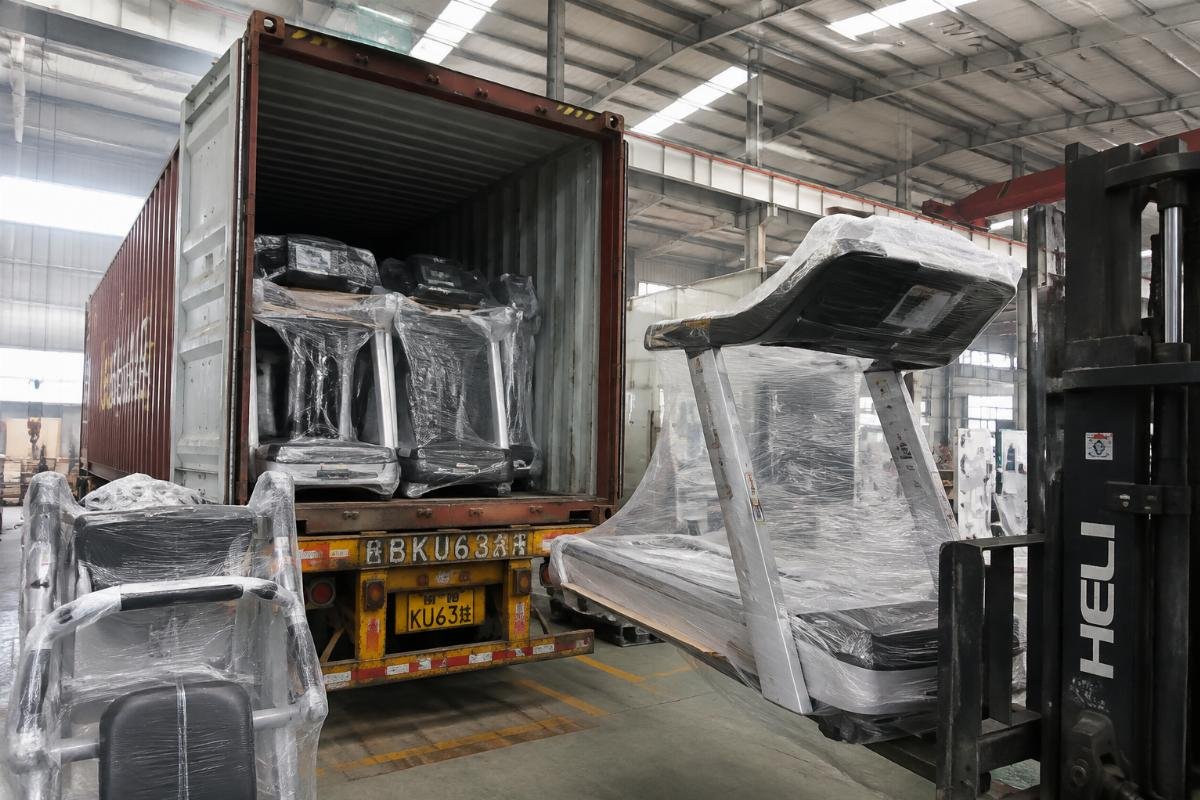
Shipping individual units to Belarus is prohibitively expensive and administratively burdensome. A smart Commercial Hack Squat Machine Sourcing Guide for Belarus emphasizes the importance of container-load consolidation. By combining multiple machines into a single 20ft or 40ft container, buyers can significantly reduce the per-unit freight cost and simplify the documentation process.
Less than Container Load (LCL) shipments are risky for heavy equipment. The handling involved in LCL increases the chance of damage, and the documentation is more complex because multiple shippers’ goods are mixed. Full Container Load (FCL) shipments allow for better packing control and easier customs clearance since all items belong to one consignee.
Route planning is also crucial. Most shipments to Belarus arrive via ports in neighboring countries like Lithuania or Poland, then move by rail or truck to Minsk. Understanding these transit points helps in estimating delivery times and preparing for any transshipment documentation requirements. Delays often occur at these border crossings if the transit documents are not perfectly aligned with the export documents.
Freight forwarders with experience in the Eurasian market are invaluable. They can advise on the best routing, handle the transit declarations, and ensure that the cargo insurance covers the entire journey, including the inland leg. Trying to manage this with a generalist forwarder often leads to communication gaps and unexpected fees.
One distributor optimized their supply chain by ordering a full container of mixed strength equipment, including hack squats, cable crossovers, and benches. This allowed them to negotiate a better freight rate and clear the entire container under a single import declaration. The efficiency gained allowed them to restock faster and respond to local gym demand more effectively.
Conclusion
Importing fitness equipment into Belarus is a test of preparation, not just purchasing power.
Success depends on aligning technical specifications with regulatory requirements. By focusing on precise HS coding, valid CE documentation, and strategic logistics consolidation, buyers can avoid the common pitfalls that lead to delays and extra costs. A Commercial Hack Squat Machine Sourcing Guide for Belarus is not just about finding a machine; it is about securing a seamless supply chain that supports business growth.