Small Gym Startup Package Under 50000 USD Equipment Wholesale Supplier
Most buyers think a $50K budget means buying brand-name cardio first. The real math flips that completely.
A small gym startup package under 50000 USD works for boutique studios when you prioritize multi-functional strength equipment, right-size cardio to core SKUs, and consolidate everything into a single container to cut freight costs. Commercial-grade Chinese cardio runs at a fraction of international brand pricing, freeing budget for two to three additional strength units that actually drive membership retention.
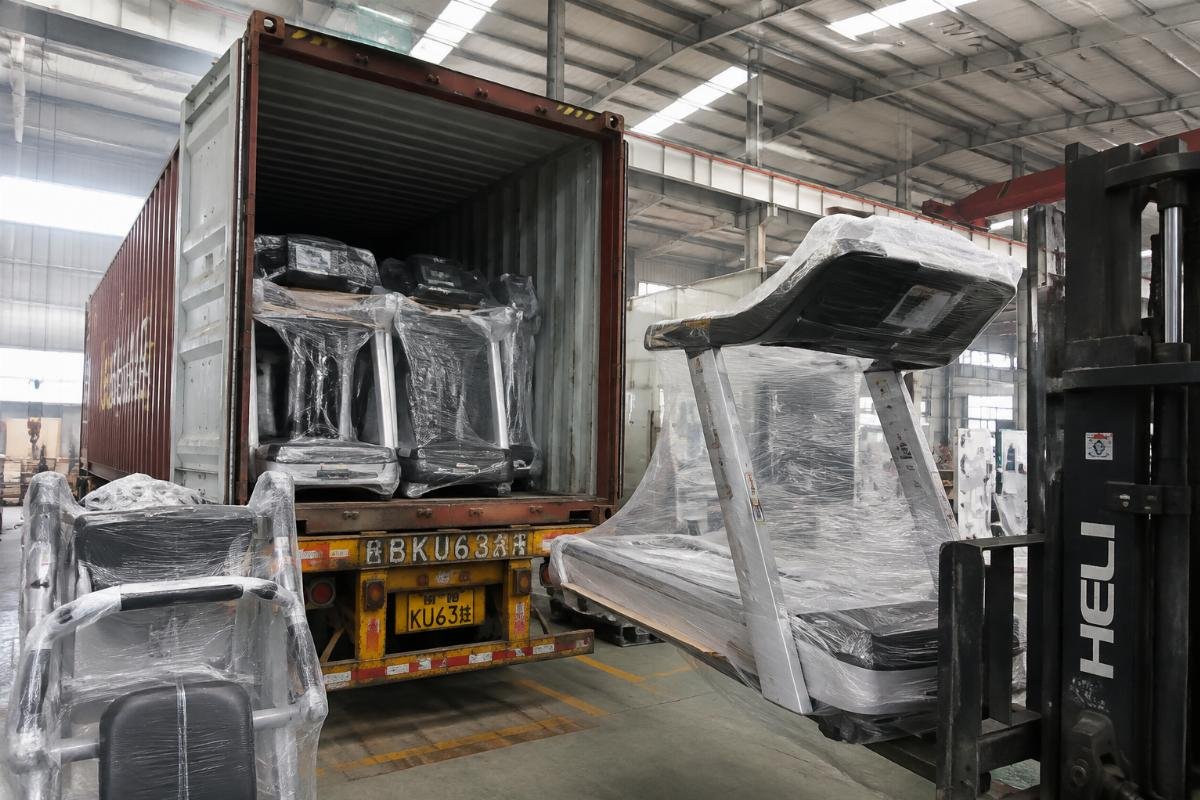
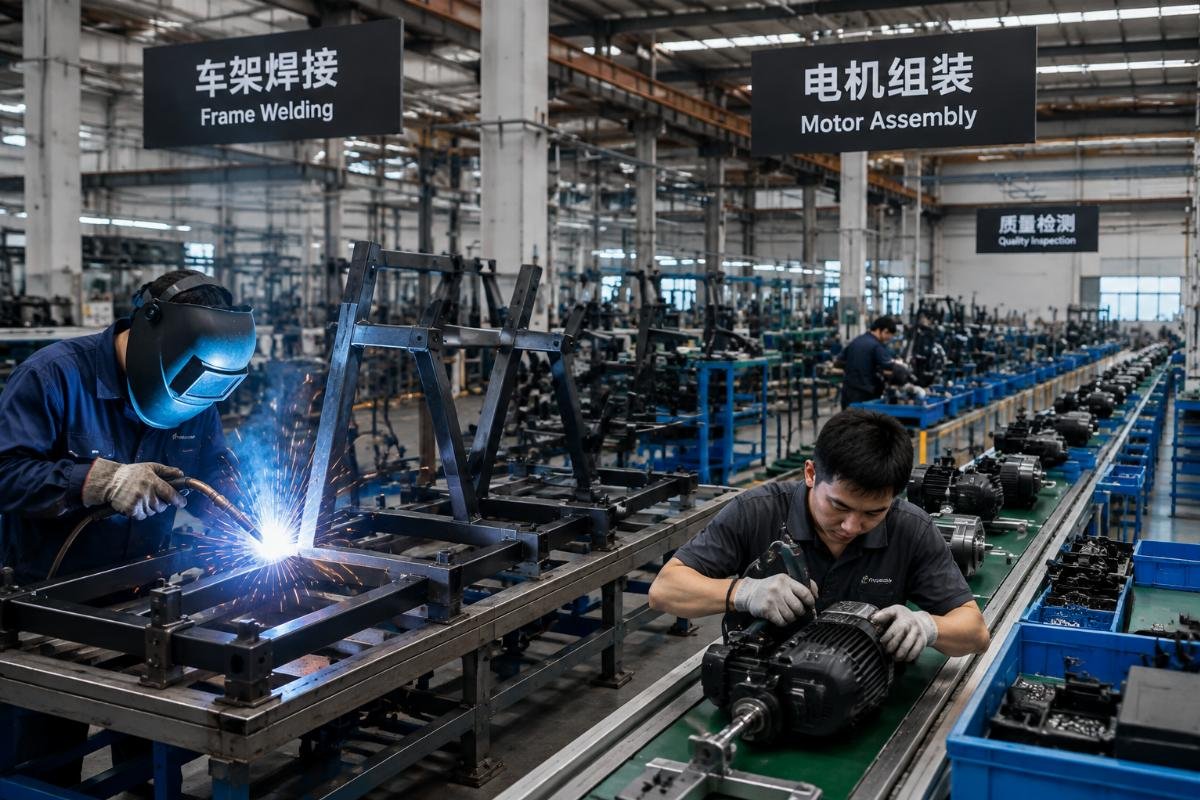
Growing up around the equipment factories on the Shandong Peninsula, I watched welders build frames that would ship to Dubai, Santiago, and Jakarta. By the time I moved into foreign trade, I had already seen what happens inside a container when the ocean decides to test every bolt. A boutique studio buyer in the Middle East once ordered a full package—treadmills, Smith machines, flooring, free weights—all within a tight budget. We consolidated into one container. What nobody planned for was the weight stacks on the selectorized machines rattling loose during transit. The client opened the container to find scratched stacks and bent guide rods. That single oversight nearly killed the deal. [NEED_CITE: marine transit vibration standards for fitness equipment per ISO 15243-related packaging guidelines]
That experience reshaped how every package gets planned. What follows is the actual breakdown of how a small gym startup package under 50000 USD gets built, allocated, shipped, and verified—straight from the factory floor perspective.
What Equipment Fits in a $50K Small Gym Package?
A complete small gym startup package under 50000 USD covers five zones: cardio, selectorized and plate-loaded strength, free weights, functional training, and flooring. The budget split typically follows a strength-heavy ratio, with cardio kept to a focused SKU count.
The allocation matrix below shows how a typical boutique studio package distributes across categories. This is based on real container-load planning, not brochure pricing.
| Zone | Typical SKU Count | Budget Share | Priority Notes |
|---|---|---|---|
| Cardio (treadmills, ellipticals, bikes) | Moderate | Moderate | Right-size to member peak-hour demand |
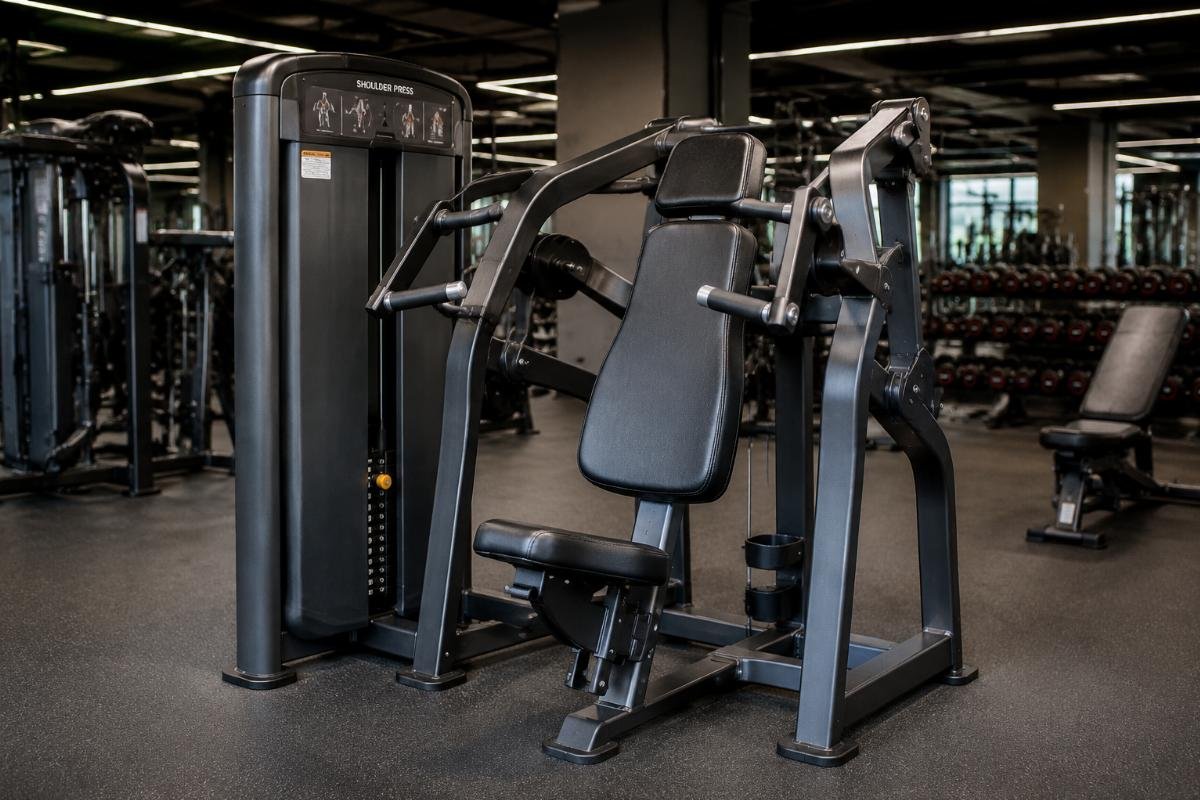
| Selectorized Strength (cable crossover, lat pulldown, leg press) | High | High | Covers major muscle groups with single machines |
| Plate-Loaded Strength | Moderate | Moderate | For serious lifters, lower footprint per station |
| Free Weights (dumbbells, barbells, plates, benches) | High | Low | High usage, low unit cost |
| Functional Training (functional trainer, battle ropes, plyo boxes) | Moderate | Low | High ROI per square meter |
| Flooring (rubber tiles, rolls) | Full coverage | Low | Non-negotiable for safety and equipment life |
[NEED_CITE: boutique studio equipment allocation ratios per IHRSA space planning guidelines]
A Middle East studio client once asked why the cardio list was shorter than expected. The answer was simple: commercial-grade domestic cardio units cost substantially less than international brands, and the savings went directly into two additional selectorized machines. Members come for the strength equipment and stay for the variety. Cardio is necessary, but it does not drive retention the way a well-planned cable crossover does.
The key insight is that a small gym startup package under 50000 USD is not about buying less—it is about buying smarter. Multi-functional cable crossover machines and Smith machines cover the vast majority of muscle group training needs in a single footprint.
How to Allocate Budget Between Cardio and Strength for Maximum ROI?
For boutique studios, strength equipment should dominate the budget allocation. Cardio should be pared down to core SKUs that match actual peak-hour usage patterns.
The坪效 (revenue per square meter) logic applies directly to equipment selection. A single commercial treadmill occupies significant floor space and serves one user at a time. A cable crossover station, by contrast, supports multiple exercise variations for every major muscle group and serves users in rapid rotation.
| Equipment Type | Floor Footprint | Users Served Per Hour | Revenue Contribution |
|---|---|---|---|
| Commercial Treadmill | Large | Low | Moderate |
| Elliptical | Large | Low | Moderate |
| Cable Crossover | Moderate | High | High |
| Smith Machine | Moderate | High | High |
| Functional Trainer | Moderate | High | High |
[NEED_CITE: fitness equipment floor space efficiency standards per ACE facility design guidelines]
A boutique studio operator in Southeast Asia initially wanted a large cardio fleet. After walking through the actual member flow data, the package was restructured: fewer treadmills, one elliptical, and two additional selectorized machines. Membership renewal rates improved noticeably because members had more reasons to come in for strength sessions, not just cardio routines.
The small gym startup package under 50000 USD works best when cardio is treated as a supporting zone, not the anchor. Anchor the studio with strength, and let cardio fill the gaps.
How to Consolidate a Full Gym Into One Container and Save Freight?
Container consolidation is the single biggest lever for controlling landed cost on a small gym startup package under 50000 USD. A single container load planned correctly saves multiples in freight compared to scattered LCL shipments.
The choice between a twenty-foot and forty-foot high cube container depends entirely on the package composition. A full boutique studio package—cardio, strength, free weights, flooring—typically fits a forty-foot high cube when planned with stacking logic. The volume utilization difference between a poorly planned load and an optimized one is substantial.
| Container Type | Typical Volume Utilization | Suitability |
|---|---|---|
| 20ft Standard | Low for full gym packages | Suitable for partial orders or single-zone fills |
| 40ft High Cube | High with optimized stacking | Ideal for full boutique studio turnkey packages |
[NEED_CITE: container loading optimization standards per ISO shipping guidelines]
The consolidation process requires treating the container like a three-dimensional puzzle. Treadmills and large selectorized machines go on the floor as the base layer. Free weight racks and plate-loaded frames stack into the vertical gaps. Flooring rolls fill the remaining perimeter spaces. Functional training gear and accessories pack into any residual voids.
A European distributor once tried to save money by splitting orders across multiple LCL shipments. The freight cost ended up costing several times what a single full container would have cost. The small gym startup package under 50000 USD only makes financial sense when the entire order ships as one consolidated unit.
What Are the Common Shipping Damages and How to Prevent Them?
Weight stack guide rods, frame surfaces, and electronic components are the three most vulnerable points during ocean transit. Independent bracing for weight stacks is non-negotiable.
The Middle East studio incident mentioned earlier was not an isolated case. Selectorized machines with weight stacks that are not independently braced will rattle loose during ocean transit. The guide rods bend, the stack plates scratch, and the machine arrives looking like it has been through a demolition.
| Damage Type | Root Cause | Prevention Method |
|---|---|---|
| Weight stack scratches and bent guide rods | Lack of independent bracing | Custom steel bracing around each stack |
| Frame surface scratches | Insufficient wrapping | Multi-layer protective film with corner guards |
| Electronic console failure | Moisture ingress | Desiccant packs plus sealed plastic wrapping |
[NEED_CITE: marine transit packaging standards for fitness equipment per ASTM D4169]
The bracing material cost is a small fraction of the total cargo value, but it prevents damage that would cost several times the bracing investment to repair or replace. Every selectorized machine in a small gym startup package under 50000 USD must have its weight stack independently secured before the container doors close.
Frame protection requires more than a single layer of stretch film. Corner guards, multi-layer wrapping, and strategic placement within the container prevent contact damage during the inevitable shifts that happen at sea.
Electronic consoles on treadmills and ellipticals need moisture protection. Desiccant packs inside sealed plastic wrapping keep humidity away from circuit boards during weeks of ocean transit.
How to Verify Equipment Quality Before Placing a $50K Order?
CE certification, steel thickness verification, weld inspection, and trial assembly form the four-step quality gate before committing to a small gym startup package under 50000 USD.
The verification process starts with documentation. CE certification confirms the equipment meets European safety standards, which is the baseline for commercial-grade fitness equipment. [NEED_CITE: CE EN safety standards for commercial fitness equipment per EN 957]
Steel thickness must be verified against specifications. Commercial-grade frames use substantially thicker steel than home-grade equipment. A caliper measurement on the actual production sample confirms whether the quoted specification matches reality.
Weld inspection is where experience matters. Clean, consistent welds with no porosity or undercut indicate proper fabrication. Poor welds show up as irregular beads, slag inclusions, or visible cracks under close inspection.
Trial assembly of the actual production units before shipping catches alignment issues, missing holes, and fitment problems that would otherwise surface only after the container arrives at the destination port.
| Verification Step | What to Check | Risk if Skipped |
|---|---|---|
| CE Certification | Valid certificate, correct product scope | Non-compliance with local import regulations |
| Steel Thickness | Caliper measurement vs quoted spec | Structural failure under commercial use loads |
| Weld Quality | Visual inspection for porosity, cracks | Frame failure, safety hazard |
| Trial Assembly | Full assembly before disassembly for shipping | Misalignment, missing parts, customer complaints |
[NEED_CITE: commercial fitness equipment quality inspection standards per ASTM F2216]
A North American distributor once skipped the trial assembly step to save time. The container arrived with selectorized machines where the weight stacks did not align with the guide rods. The cost of on-site correction was a mid-five-figure expense. The small gym startup package under 50000 USD only delivers value when quality verification happens before the container seals.
Conclusion
A small gym startup package under 50000 USD is achievable and profitable when strength equipment leads the allocation, cardio is right-sized, container consolidation controls freight, shipping protection is engineered, and quality verification is non-negotiable.
The difference between a package that builds a profitable studio and one that becomes a logistics nightmare lies in the details: how the budget splits between zones, how the container loads, how the weight stacks brace, and how the steel gets verified before shipping.