Kettlebell Set for Amazon FBA Restocking – Wholesale Supplier from China
Most sellers fixate on the FOB unit price. The real profit killer is the FBA inbound rejection rate.
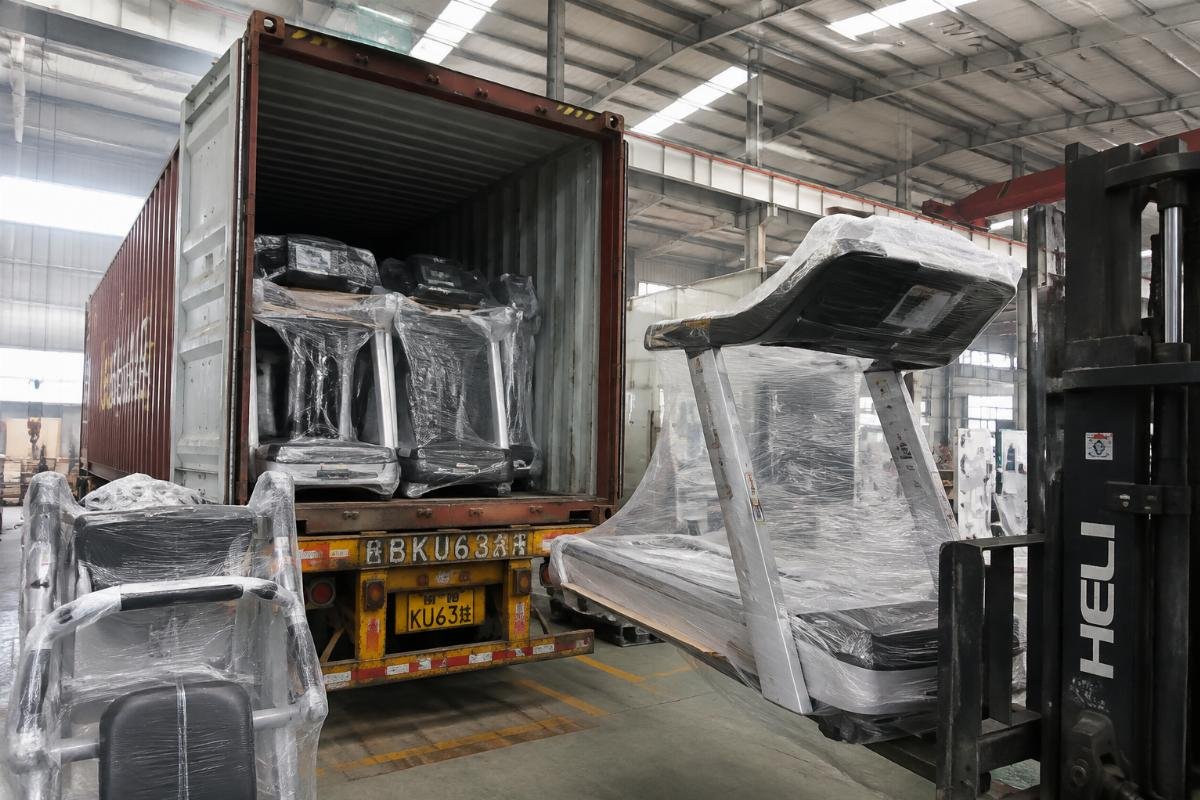
For Amazon FBA sellers restocking kettlebell sets, inbound compliance hinges on three variables: outer carton load-bearing capacity, FNSKU labeling accuracy, and head-haul consolidation method. A single misstep in any of these triggers warehouse rejection, rework fees, and weeks of lost selling time. The kettlebell set you source must ship in packaging that survives pallet stacking, transit vibration, and forklift drops before it ever reaches the fulfillment center shelf.
I once spent an afternoon crouching in a Riyadh gym warehouse watching a crew uncrate a container of kettlebells. The cartons had buckled during ocean transit—the shipment had been consolidated through a transshipment hub once, and the corrugated walls gave way under the weight of cast iron. The gym owner ran the numbers aloud: nearly a fifth of the units would be rejected if sent into FBA, and the margin was already gone. That container had left Qingdao as LCL freight. From that day on, every time I review an FBA restocking order for a kettlebell set, I ask about inbound specs, carton burst strength, and shipping mark requirements before I even glance at the FOB quote. Cast iron looks indestructible, but one chip on the coating and FBA classifies the unit as a cosmetic defect. [NEED_CITE: Amazon FBA inbound packaging requirements for heavy fitness equipment]
Let me walk you through what actually determines whether your kettlebell set arrives sellable or ends up in a rework queue.
What Are Amazon FBA’s Inbound Requirements for Kettlebell Sets?
FBA treats cast-iron fitness equipment as heavy-density freight, and the inbound rules are stricter than for most consumer goods. The outer carton must withstand a defined stacking load during warehouse handling and transit. Amazon’s fulfillment network moves pallets with forklifts, drops boxes onto conveyor belts, and stacks them several layers high in storage racks. A kettlebell set weighing 20 kg or more exerts concentrated pressure on carton corners and seams. [NEED_CITE: Amazon FBA outer box weight limit and corrugated grade standards]
The core requirements break down as follows:
| Compliance Dimension | Minimum Standard | Typical Failure Mode |
|---|---|---|
| Outer carton grade | Double-wall corrugated (BC-flute or equivalent) | Single-wall crush under stacked pallets |
| Per-carton weight limit | Must not exceed FBA heavy-goods threshold | Overweight boxes rejected at dock door |
| FNSKU label placement | Flat surface, scannable barcode, no seam overlap | Scanner fails, unit routed to manual processing |
| Shipping mark (carton ID) | Legible, matched to shipment plan | Mismatch triggers hold for recount |
| Internal immobilization | Foam cradle or die-cut divider per bell | Bells collide, coating chips, classified as damaged |
A Middle East e-commerce seller I worked with learned this the hard way. Their first kettlebell set shipment to a US fulfillment center used standard single-wall cartons sourced from a local packaging vendor. Roughly a quarter of the boxes arrived with visible deformation. FBA rejected the affected units, and the seller had to arrange removal, repack, and reship—costing several times what they would have spent on proper packaging at origin. [NEED_CITE: ISTA 3A transport testing standard for parcel delivery systems]
The lesson is straightforward: verify the carton burst strength and edge-crush rating against FBA’s heavy-goods specifications before you commit to a production run.
How Does Packaging Affect FBA Rejection Rates for Kettlebells?
The packaging scheme is the single largest controllable variable in your FBA rejection rate for a kettlebell set. Cast iron is dense and unforgiving. Unlike a foam roller or a resistance band set, a kettlebell cannot absorb impact—it transfers it directly to the carton wall and to any adjacent unit inside the box.
A robust packaging protocol for a kettlebell set follows a layered approach:
- Individual unit wrap. Each kettlebell goes into a sealed poly bag to prevent moisture contact and surface scratching during handling.
- Foam cradle or die-cut insert. The bell sits in a molded foam pocket that immobilizes the handle and body, preventing rotation and metal-on-metal contact.
- Carton partition. For multi-weight sets (e.g., 8 kg / 12 kg / 16 kg bundled), cardboard dividers separate each bell into its own compartment.
- Outer carton. Double-wall corrugated, sized so the loaded box does not exceed FBA dimension thresholds for oversized freight.
A North American home-gym retailer restocking a popular kettlebell set line switched from generic single-wall cartons to a double-wall spec with custom foam inserts. Their inbound damage rate dropped noticeably within the first two shipment cycles. The packaging cost per unit rose modestly, but the savings from avoided FBA rework fees and removal orders far outweighed the difference. [NEED_CITE: correlation between corrugated board grade and inbound damage rate for dense fitness products]
Equally important is the labeling process. FNSKU labels must be printed on laser-grade barcode stock, applied flat on the outer carton without wrapping around an edge or seam. A North American seller running a multi-SKU kettlebell set catalog once shipped a batch where the FNSKU labels were placed over the carton tape seam. The fulfillment center scanners could not read a significant portion of the boxes. The entire shipment was held for manual relabeling, delaying availability by weeks and generating unexpected prep fees. [NEED_CITE: Amazon FBA labeling requirements for FNSKU barcode placement]
Whole Container vs. LCL Consolidation: Which Suits Kettlebell FBA Restocking?
The choice between full-container and less-than-container-load shipping directly affects the physical condition of your kettlebell set when it reaches the FBA dock.
Cast iron kettlebells are heavy relative to their volume. A full container of kettlebells reaches its weight limit well before it fills the cubic space. This creates a packaging and loading dynamic that differs sharply from lighter consumer goods.
| Shipping Mode | Handling Events | Knock-About Risk | Cost Profile | Best Fit |
|---|---|---|---|---|
| Full container (FCL) | Loaded at factory, sealed, opened at destination | Noticeably reduced | Higher base freight, lower per-unit damage cost | Restocking volumes above partial-container threshold |
| Less-than-container-load (LCL) | Multiple consolidation and deconsolidation points | Substantially elevated | Lower base freight, higher per-unit damage and rejection cost | Small trial orders or mixed-SKU shipments |
In an LCL shipment, your kettlebell set pallet shares container space with freight from other shippers. The container is opened and resealed at a consolidation warehouse, then opened again at a deconsolidation hub near the destination. Each handling event introduces the risk of forklift impact, pallet shift, and carton compression. The Riyadh gym warehouse case I mentioned earlier was a textbook example: one transshipment stop was enough to deform a significant share of the cartons.
For FBA restocking, the calculation is not just about freight cost per kilogram. You must factor in the expected rejection rate at the fulfillment center. If LCL transit adds even a modest increase in damage rate, the rework fees, removal orders, and lost selling days can erase the freight savings entirely. [NEED_CITE: comparative damage rate between FCL and LCL for heavy-density freight]
A practical rule of thumb: if your kettlebell set restocking volume can fill at least a partial container by weight, FCL is almost always the more economical path when total landed cost—including rejection-related expenses—is calculated.
How to Verify a Kettlebell Supplier’s FBA Compliance Capability?
A supplier’s quotation sheet tells you almost nothing about whether their kettlebell set will pass FBA inbound inspection. The real signals lie in their packaging test documentation, their track record with FBA shipments, and their execution discipline on labeling and shipping marks.
When evaluating a kettlebell set supplier for FBA restocking, focus your due diligence on these areas:
- Packaging test reports. Ask whether the supplier has conducted drop tests, vibration tests, and compression tests per ISTA standards on the actual retail and master carton configuration. A supplier who can produce an ISTA 3A or ISTA 3B test report for your specific kettlebell set packaging has invested in validating the ship-ready condition. [NEED_CITE: ISTA 3A test procedure for parcel delivery systems]
- FBA shipment history. Request references or shipment records showing prior FBA deliveries. A supplier experienced with FBA will understand the labeling, carton weight, and palletizing requirements without needing you to explain them from scratch.
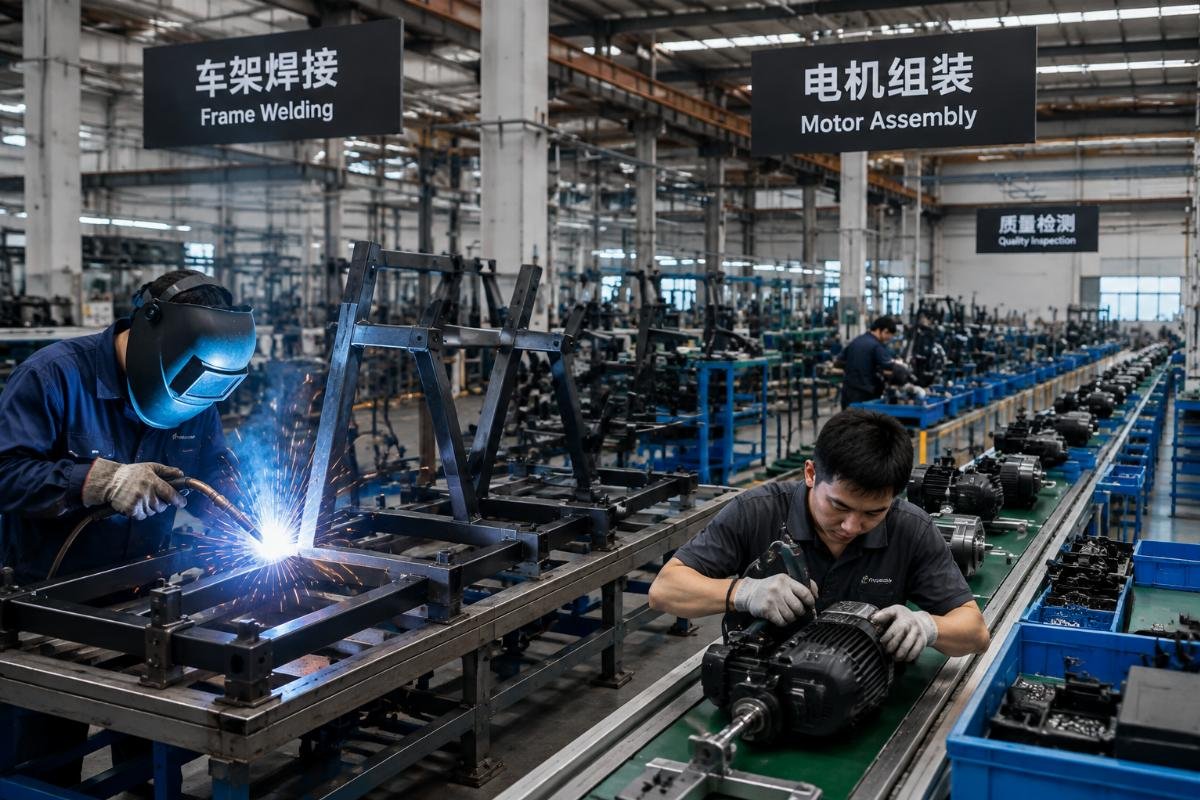
- Labeling execution. Visit the factory floor or request a video of the labeling station. FNSKU labels should be applied by trained staff using calibrated print engines, not hand-written or printed on a standard office printer.
- Pre-shipment inspection protocol. The supplier should conduct a random inspection of carton integrity, label scanability, and internal immobilization before the container is sealed. This is the last line of defense against an FBA rejection.
A European e-commerce operator sourcing a kettlebell set line from Shandong switched suppliers after their first vendor’s cartons failed a simple drop test during pre-shipment inspection. The new supplier provided ISTA test reports and ran a scanability check on every FNSKU label before sealing the container. The inbound rejection rate at the German fulfillment center fell to near zero on the subsequent shipment.
What Is the Real Landed Cost of an FBA Kettlebell Set?
The FOB price is the starting line, not the finish line. The true cost of a kettlebell set in FBA sellable condition includes every expense incurred between the factory floor and the fulfillment center shelf.
Sellers who optimize purely on unit cost at origin often discover that the hidden expenses downstream consume the savings. The major cost components beyond FOB include:
- Head-haul freight and insurance. Ocean freight rates fluctuate, but the mode you choose—FCL versus LCL—has an outsized impact on damage-related costs, as discussed above.
- FBA prep and labeling fees. If your supplier does not apply FNSKU labels correctly, Amazon will do it for you at a per-unit fee that adds up quickly across a multi-SKU kettlebell set catalog.
- Rejection and rework costs. Units rejected at inbound must be removed, inspected, repackaged if necessary, and reshipped. Each step carries a fee, and the inventory is unavailable for sale during the entire cycle.
- Storage and aging fees. Delayed inbound means delayed availability. Meanwhile, your existing inventory ages, triggering long-term storage surcharges. [NEED_CITE: Amazon FBA low-inventory-level fee and storage utilization surcharge structure]
A US-based seller running a kettlebell set brand on Amazon shared their cost breakdown after their first year. The FOB price accounted for a minority of the total landed cost. The largest single expense category was not freight—it was the combined cost of FBA prep fees, removal orders triggered by inbound damage, and lost revenue from weeks of unavailability. After switching to a supplier with proven FBA packaging and labeling capability, their total landed cost per sellable unit dropped noticeably, even though the FOB price was slightly higher.
The takeaway is clear: when you evaluate a kettlebell set supplier, model the full landed cost—including the expected rejection rate—before you compare unit prices.
Conclusion
FBA inbound compliance, not FOB price, determines whether a kettlebell set restocking order generates profit or absorbs loss. Packaging integrity, labeling precision, and shipping mode selection form the three pillars that either protect your margin or erode it before the product ever reaches a customer. Source from a supplier who treats FBA readiness as a core capability, and model your total landed cost with rejection scenarios included.