Hex Rubber Dumbbell Set Wholesale Manufacturer for Boutique Fitness Studios
The most expensive dumbbell is the one that gets stuck in customs.
Boutique studio owners should prioritize verified CE documentation and drop-test durability over the lowest unit price when sourcing hex rubber dumbbells, ensuring smooth customs clearance and long-term client safety. A mismatched HS code or missing certification can halt a shipment for weeks, turning a cost-saving import into a logistical nightmare that delays studio openings and erodes profit margins.
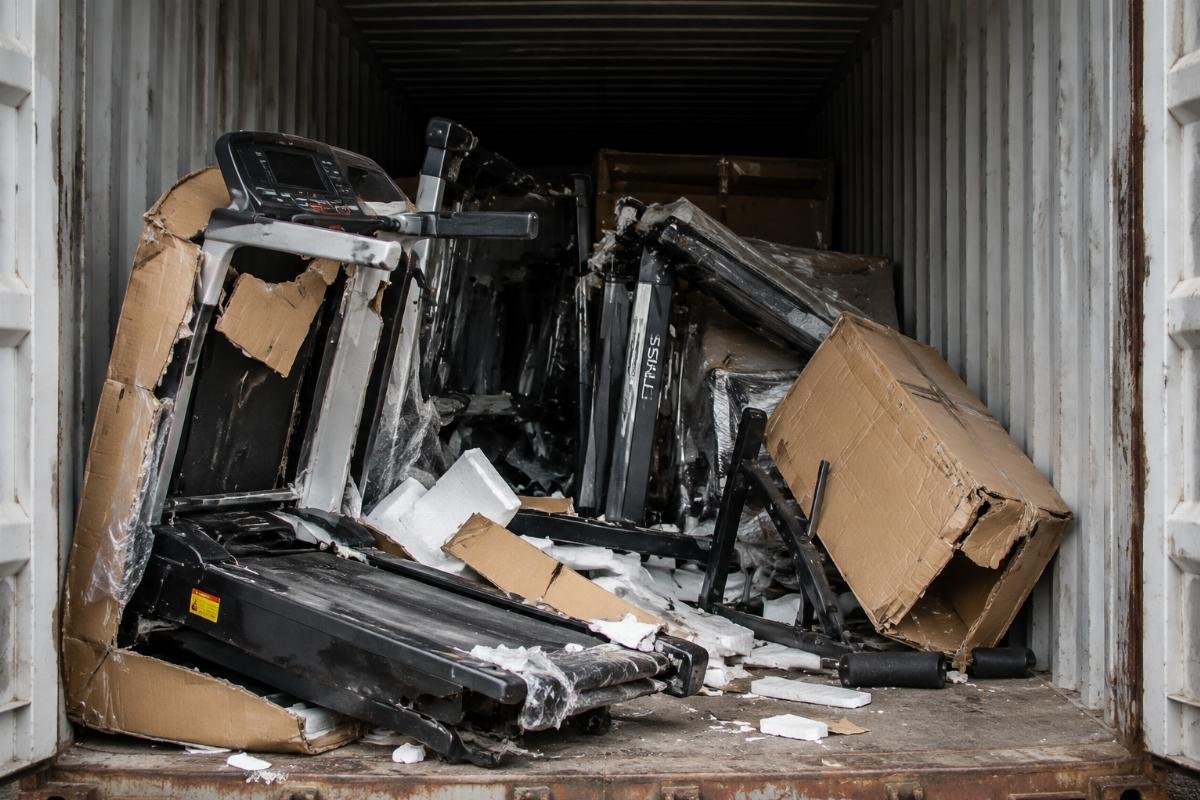
I still remember the smell of stagnant seawater mixed with diesel at the Qingdao port. It was a humid July afternoon, and I was standing next to a container that had been flagged for inspection. The cargo inside was a batch of commercial strength equipment destined for West Africa. On paper, everything looked perfect. In reality, the HS code on the commercial invoice did not align with the technical specifications listed in the CE certificate. The discrepancy was minor to an untrained eye—a subtle difference in how the material composition was described—but it was enough to trigger a full physical examination. The shipment sat on the dock for three weeks. The demurrage charges eventually exceeded the value of the goods themselves. That experience reshaped how I approach every single export order. Now, I start with the destination port’s customs habits and work backward to the factory floor, ensuring that the labels, documents, and product realities are perfectly synchronized before the container doors even close.
This guide breaks down the critical factors that separate a reliable supply chain from a costly mistake, focusing on compliance, material integrity, and verification methods that go beyond surface-level profiles.
Why Do Boutique Studios Fail at Importing Free Weights?
Compliance gaps are the silent killers of import profitability.
Many boutique studio owners assume that fitness equipment is a low-risk category for customs. They believe that as long as the goods are paid for and shipped, they will arrive. This assumption ignores the rigorous scrutiny applied to industrial and commercial fitness gear in many jurisdictions. The primary failure point is not the product quality itself, but the documentation trail that accompanies it.
When importing from a hex rubber dumbbell set supplier, the classification of the goods determines the duty rate and the required certifications. Fitness weights often fall under specific HS codes that require proof of safety compliance, such as CE marking for European markets or specific material safety data sheets for North American imports. If the certificate lists a different model number or material grade than what is declared on the bill of lading, customs officials have the authority to hold the shipment for verification.
| Compliance Factor | High-Risk Approach | Verified Best Practice |
|---|---|---|
| HS Code Classification | Generic "Sports Equipment" code | Specific code for "Weights and Weight-lifting Equipment" [NEED_CITE: WCO HS Nomenclature guidelines] |
| CE Documentation | Digital copy sent via email after payment | Original hard copies matched to serial numbers pre-shipment |
| Material Declaration | Vague "Rubber Coated" description | Detailed breakdown of virgin vs. recycled rubber content |
| Labeling | Sticker applied at final packing | Molded or laser-etched markings resistant to humidity |
A European boutique owner once faced a six-week delay because the CE certificate provided by their supplier was for a home-use version of the dumbbell, while the imported goods were clearly marked for commercial use. The structural standards for commercial equipment are higher, and the mismatch raised red flags about liability and safety. To avoid this, always request a pre-shipment document audit. Verify that the manufacturer’s production facilities can provide certificates that explicitly match the commercial-grade nature of the hex rubber dumbbell set supplier products you are purchasing.
What Defines a "Commercial-Grade" Hex Dumbbell?
The bonding agent matters more than the weight accuracy.
When evaluating a hex rubber dumbbell set supplier, many buyers focus on the weight tolerance, expecting precision within a few grams. While accuracy is important, it is not the primary determinant of longevity in a high-traffic boutique studio. The true test of commercial grade is the bond between the iron core and the rubber coating.
Cheap manufacturers often use recycled rubber with inconsistent density and weak adhesive agents. In high-humidity environments, such as coastal studios or facilities with intense daily usage, this poor bonding leads to delamination. The rubber begins to peel away from the metal core, creating unsightly gaps and potential tripping hazards. More critically, if the bond fails during a drop test, the dumbbell can split, posing a severe safety risk to clients and staff.
| Material Attribute | Budget Grade | Commercial Grade |
|---|---|---|
| Rubber Type | High percentage of recycled fillers | High-density virgin rubber compound |
| Odor Level | Strong chemical smell persists | Minimal odor, dissipates quickly [NEED_CITE: Indoor air quality standards for gyms] |
| Bonding Method | Surface glue application | Integrated molding process |
| Drop Test Resilience | Cracks after moderate impact | Withstands repeated drops from shoulder height |
The difference lies in the manufacturing process. A reputable hex rubber dumbbell set supplier will use a molding process that encapsulates the iron core completely, ensuring a uniform layer of rubber that absorbs shock effectively. This not only protects the floor but also reduces noise, a critical factor for boutique studios located in mixed-use buildings. Ask potential suppliers for details on their drop-test standards. Do they test for frequency and height? Can they provide video evidence of these tests? These questions separate those who merely assemble parts from those who engineer durable fitness tools.
How to Verify Supplier Credibility Beyond Alibaba Profiles?
Request live video audits of production lines and certification originals.
Online profiles can be polished to perfection, hiding significant operational weaknesses. To truly vet a hex rubber dumbbell set supplier, you must look beyond the marketing images. The most effective method is to request a live video audit of the production facility. This allows you to see the actual workflow, the condition of the machinery, and the quality control processes in real time.
During a recent audit for a client, we noticed that a supplier’s "quality control" station was merely a visual check by a single worker. There were no calibrated scales or drop-test rigs in sight. In contrast, a verified manufacturer will have dedicated testing areas where random samples from each batch are subjected to rigorous stress tests. They should be able to show you the original CE certificates, not just scanned copies, and explain how they maintain consistency across different production runs.
Another red flag is the inability to provide detailed information about the raw material sources. A transparent supplier will disclose whether they use virgin rubber or a blend, and they will have documentation to prove it. This transparency is crucial for maintaining the aesthetic and functional integrity of your studio equipment. If a supplier hesitates to share these details, it is often a sign that they are trading on lower-quality materials to keep prices artificially low.
Which Customization Options Add Real Value for PT Brands?
Color-coding and laser engraving enhance studio identity without compromising durability.
For boutique studios, branding is not just about logos; it is about creating a cohesive visual experience for clients. When working with a hex rubber dumbbell set supplier, consider customization options that add value without sacrificing structural integrity. Laser engraving is superior to printed labels, which can fade or peel over time. However, the depth and technique of the engraving matter. Shallow engraving may disappear as the rubber wears, while overly deep cuts can create weak points in the coating.
Color-coding is another powerful tool. Instead of standard black, some studios opt for color-coded ends to help clients quickly identify weights. This requires precise molding and consistent pigment mixing to ensure that the color does not fade or transfer onto hands or floors. A reliable supplier will have a proven track record of producing consistent colors across large batches, ensuring that your studio maintains a professional appearance.
It is also important to consider the impact of customization on lead times and minimum order quantities. Flexible MOQs allow you to test market response with smaller batches before committing to larger orders. This approach reduces financial risk and allows for iterative improvements based on client feedback. By choosing a supplier who offers both quality and flexibility, you can build a brand identity that resonates with your clientele while ensuring the equipment stands up to daily use.
Conclusion
Durability and compliance are non-negotiable for long-term success.
Sourcing hex rubber dumbbells requires a shift in mindset from seeking the lowest price to securing the highest reliability. By prioritizing verified documentation, understanding the technical aspects of rubber bonding, and conducting thorough supplier audits, boutique studio owners can avoid costly delays and ensure client safety. A trusted hex rubber dumbbell set supplier acts as a partner in your business growth, providing equipment that not only looks good but performs consistently under pressure.