Functional Trainer Plate-Loaded Wholesale Supplier for South Korea Gyms
The real cost of a functional trainer for Korean commercial buyers is never the machine quote—it is the combination of steel gauge, pulley ratio, stack weight, and CE/KC compliance paperwork.
For Korean gym owners and importers, functional trainer pricing breaks down into three tiers: entry-level single-stack units with thin-gauge frames and high pulley ratios for boutique studios, mid-range dual-stack machines with commercial-grade tubing for chain gyms, and premium heavy-duty models with reinforced welding and full certification packages for high-traffic facilities. The price gap between the thinnest and thickest frame spec alone can shift unit cost by a substantial margin, and FOB Qingdao is only the starting point before KC certification fees, ocean freight, and Incheon port charges push landed cost noticeably higher.
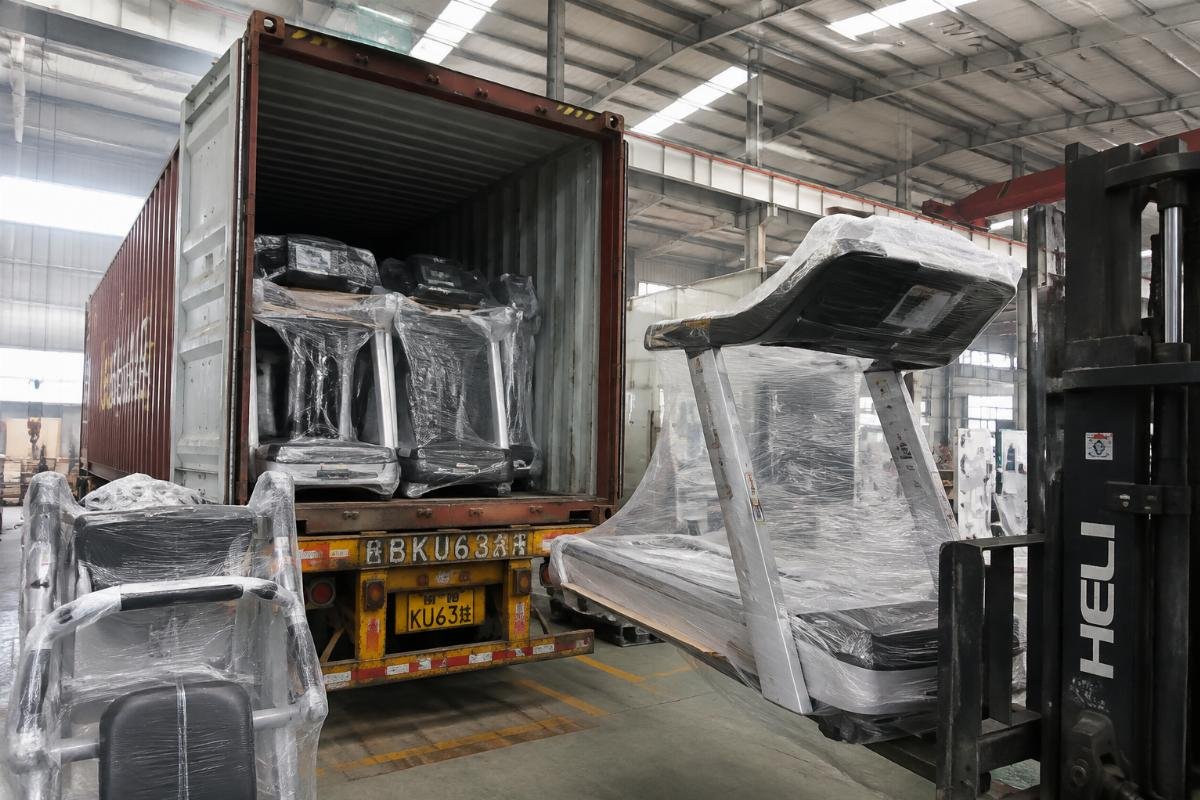
I still remember a shipment we sent to a Korean chain gym years ago. The machines looked solid on the floor in Qingdao, but when they hit Incheon port, customs flagged the CE technical file for a missing annex. The cargo sat there for weeks, accumulating warehouse fees that ate into the buyer’s margin before a single member touched a cable handle. That buyer now checks every document before the container seals, and so do we. Korean buyers are among the most meticulous in Asia—they bring calipers to the factory floor and measure tube wall thickness on the spot. If you are sourcing functional trainer pricing data for the Korean market, you need to understand what actually drives those numbers beyond the spec sheet headline.
Let me walk you through the real variables behind functional trainer pricing for Korean commercial buyers.
What Drives Functional Trainer Pricing for Korean Buyers?
The base quote on a functional trainer is just the entry ticket. Steel frame gauge, pulley system configuration, and weight stack options are the three variables that create the widest pricing spread across suppliers.
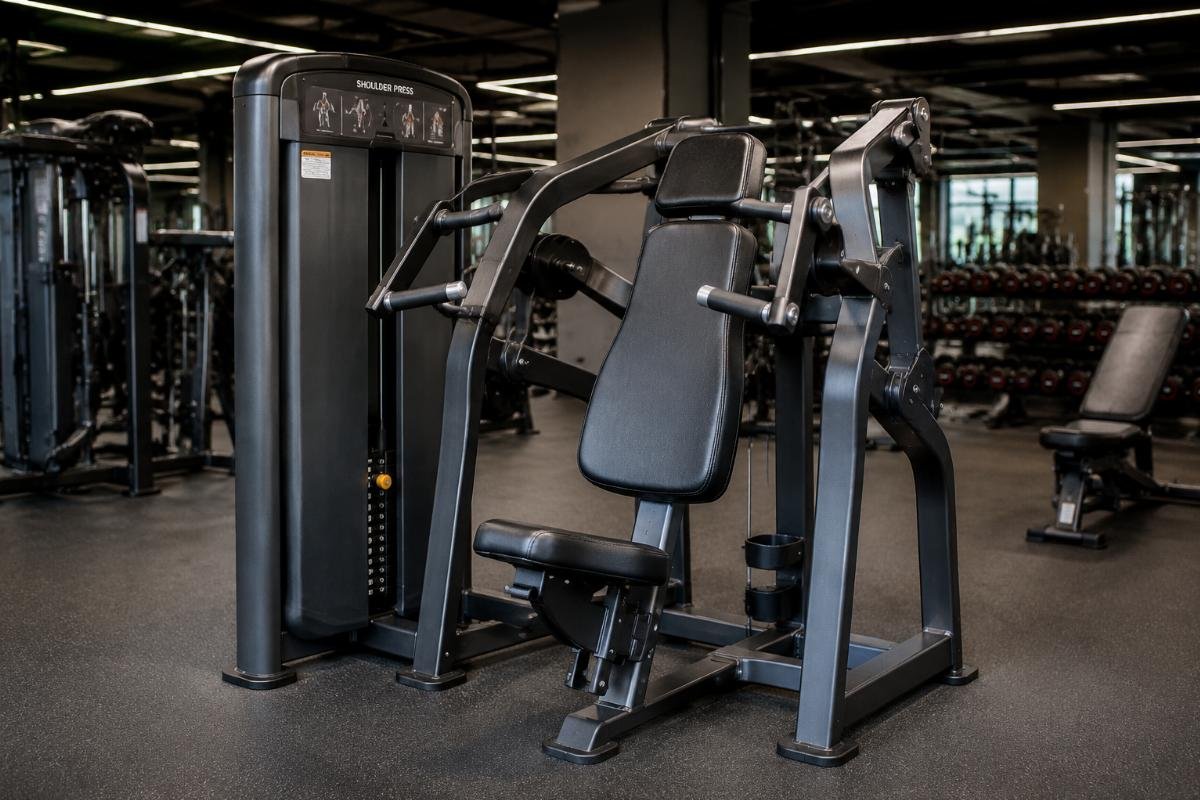
When a Korean gym owner requests a quotation, the first question is never just "how much." It is "what gauge steel" and "what pulley ratio." These are not abstract engineering concerns—they directly affect durability under high-frequency commercial use and member satisfaction. A machine built with thinner tubing may look identical in photos but will flex noticeably under heavy loads over time, and Korean members are quick to notice and complain.
| Factor | Entry-Level Spec | Mid-Range Commercial | Heavy-Duty Commercial |
|---|---|---|---|
| Frame Tube Wall Thickness | Thin-gauge | Standard commercial grade | Reinforced heavy-duty |
| Pulley Ratio | High ratio (lighter pull) | Mid ratio (balanced) | Low ratio (heavier pull) |
| Weight Stack per Side | Single light stack | Single heavy stack | Dual stack |
| Welding Standard | Basic spot welds | Continuous welds at stress points | Full continuous weld with grinding |
| Certification Package | CE basic | CE full documentation | CE plus KC-ready file set |
| Typical Price Positioning | Lowest tier | Mid tier | Highest tier |
The price distance between the thinnest and thickest frame option is significant, and it is the single most misunderstood cost driver. [NEED_CITE: steel tube gauge impact on structural rigidity per EN ISO 20957] Many buyers focus on weight stack numbers as the primary pricing lever, but the frame itself accounts for a substantial portion of material cost. Thicker steel means more raw material, more welding time, and heavier shipping weight—all of which compound into the final unit price.
A boutique studio owner in Seoul once asked me why two visually similar functional trainers from different suppliers had such different quotes. The answer was in the frame: one used noticeably thinner tubing that would struggle under continuous commercial use, while the other was built to withstand the daily abuse of a high-traffic chain gym. The pricing gap was not arbitrary—it reflected real material and labor differences.
How Do Steel Gauge and Welding Quality Affect Functional Trainer Pricing?
Frame tube wall thickness is the single largest material cost variable in functional trainer pricing, and Korean buyers verify it with calipers on the factory floor.
This is not an exaggeration. I have watched Korean procurement teams walk through production facilities in Shandong, pull out digital calipers, and measure the steel tubes on sample units right in front of the production line managers. They know exactly what thickness they specified, and they know that some suppliers quote one gauge and ship another. The consequences of getting caught doing that are severe—return freight, replacement costs, and permanent loss of the buyer relationship.
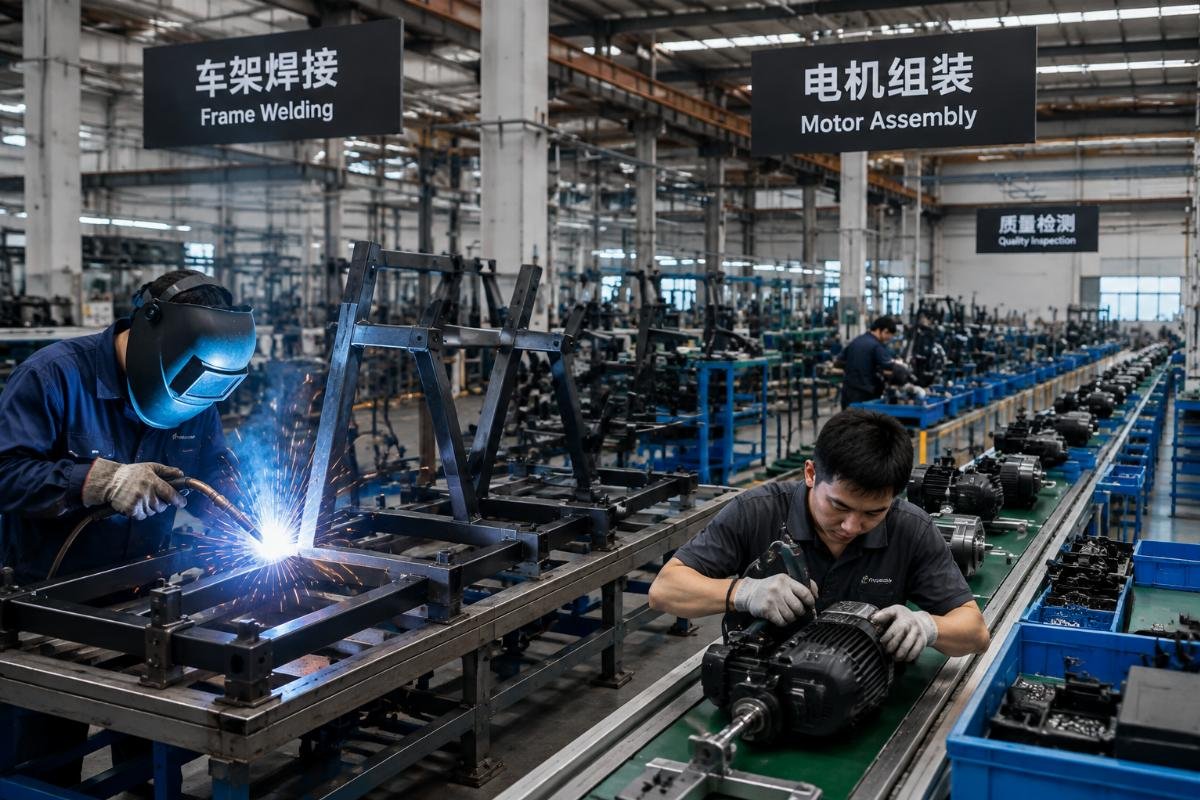
The difference between thin-gauge and heavy-duty commercial tubing is not just about strength. It affects the entire manufacturing process. Thicker steel requires more powerful bending equipment, longer welding cycles, and additional grinding and finishing work. Each of these steps adds cost. [NEED_CITE: welding quality standards for commercial fitness equipment per EN ISO 20957 Part 1]
| Welding Approach | Structural Integrity | Visual Finish | Cost Impact |
|---|---|---|---|
| Basic spot welding | Vulnerable under heavy cyclic loads | Visible joint marks | Noticeably reduced |
| Standard continuous welding | Resistant to typical commercial use | Acceptable with minor grinding | Standard |
| Full continuous welding with grinding | Robust under high-frequency use | Smooth commercial finish | Substantially extended production time |
A distributor in Busan told me that his biggest headache with previous suppliers was not the price—it was the inconsistency. One batch would arrive with proper gauge tubing, and the next would be noticeably thinner. Korean gym members are demanding, and a wobbling cable column under heavy load generates complaints within days. The distributor now requires mill certificates for every batch of steel tubing, and suppliers who cannot provide them are eliminated from the vendor list.
This is why functional trainer pricing from manufacturers who invest in traceable material sourcing will always sit higher than those who cut corners on frame construction. The cost difference is real, measurable, and Korean buyers will pay for it—because the alternative costs far more in returns and reputation damage.
Which Pulley Ratio and Stack Weight Configuration Fits Korean Commercial Gyms?
The 1:2 pulley ratio paired with a heavy single stack or dual stack configuration is the dominant specification for Korean commercial gym environments, while higher ratios serve niche studio applications.
This is a point that confuses many first-time buyers. A higher pulley ratio—say 1:4—makes the weight feel lighter, which sounds like an advantage. But in a commercial gym setting where members range from beginners to advanced lifters, a 1:4 ratio runs out of resistance too quickly for stronger users. The 1:2 ratio delivers a heavier, more authentic pull that serious lifters expect, and it accommodates a wider range of exercises without feeling artificially easy.
| Pulley Ratio | Pull Feel | Best-Fit Environment | Member Range Coverage |
|---|---|---|---|
| 1:1 | Heaviest direct pull | Specialty strength facilities | Advanced users only |
| 1:2 | Heavy smooth pull | Commercial chain gyms | Broad—beginner to advanced |
| 1:3 | Moderate pull | Hybrid commercial-studio use | Intermediate to advanced |
| 1:4 | Lighter assisted pull | Boutique studios, home use | Beginner to intermediate |
Weight stack options also play a major role in functional trainer pricing. A single stack in the lower range works for studios with limited floor space and a lighter member profile. But Korean commercial gyms—especially the chain operations in Seoul and Busan—typically demand heavier stacks to serve their full membership base. Dual-stack configurations, where each side has its own independent weight pile, command a premium because they double the cable system, the guide rods, and the selector pins. [NEED_CITE: pulley ratio and resistance curve design principles for cable-based strength equipment]
A gym chain operator in Incheon shared that their member retention improved noticeably after upgrading from single-stack 1:4 units to dual-stack 1:2 functional trainers. Members stopped complaining about the machines feeling "too light" and started spending more time on the cable stations. The higher per-unit cost was offset by better member satisfaction and reduced equipment rotation complaints.
For functional trainer pricing purposes, the stack weight and pulley ratio decision is not just a technical spec—it is a business decision that affects how members experience the gym and how often they renew.
What Is the Real Landed Cost from FOB Qingdao to Incheon?
FOB Qingdao is the starting line, not the finish. The actual landed cost for Korean buyers includes KC certification allocation, ocean freight, customs duties, and Incheon port handling charges—typically pushing the final cost noticeably above the factory quote.
Many first-time importers from Korea fixate on the FOB number and treat it as the total investment. This is a costly mistake. The gap between FOB and landed cost includes multiple line items that vary by shipment size, certification status, and seasonal freight fluctuations.
| Cost Component | Coverage | Variability |
|---|---|---|
| FOB Qingdao price | Machine cost, standard export packing | Fixed per order |
| Ocean freight | Port-to-port shipping | Subject to seasonal market rates |
| Marine insurance | Cargo coverage during transit | Low relative to freight |
| Korean import duty | Tariff on fitness equipment per HS code | Fixed by regulation |
| KC certification allocation | Testing and documentation fees spread across units | Depends on order volume |
| Incheon port handling | Terminal charges, container unloading, local transport | Variable by forwarder |
[NEED_CITE: Korean customs tariff classification for commercial fitness equipment under HS Chapter 95]
The KC certification issue deserves special attention. Korea requires certain imported machinery to comply with KC safety standards, and the documentation must align with what was submitted for CE marking. If the CE technical file is incomplete—missing risk assessment records, test reports, or declaration of conformity annexes—the KC process stalls, and the cargo sits at port. I have seen this happen more than once, and the warehouse fees accumulate daily.
A Korean importer who sources functional trainers regularly now builds the certification allocation cost directly into his per-unit landed cost model. He orders in volumes that spread the KC testing expense across enough units to keep the per-piece impact manageable. For smaller buyers who order just a handful of machines, the certification cost per unit is proportionally heavier, which is why some choose to work with manufacturers who already hold KC-ready documentation.
When evaluating functional trainer pricing, always ask the supplier for a breakdown that separates machine cost from certification, freight, and port charges. The headline FOB number tells you almost nothing about what you will actually pay to get the machines onto your gym floor.
How to Avoid Certification Delays at Korean Customs?
The most common cause of customs delays for fitness equipment entering Korea is incomplete CE technical documentation that fails to bridge into KC certification requirements.
This is not a theoretical risk—it is the single most frequent issue I have encountered when shipping to Korean buyers. The CE mark itself is necessary but not sufficient. Korean customs and KC certification bodies require a complete technical file that includes specific annexes: risk assessment documentation, test reports from accredited laboratories, a proper declaration of conformity, and user manuals in the required format.
| Document | Purpose | Common Gap |
|---|---|---|
| CE Declaration of Conformity | Confirms compliance with EU directives | Missing annexes or outdated directive references |
| Risk Assessment Report | Identifies hazards and mitigation measures | Not provided or self-reported without verification |
| Test Reports from Accredited Lab | Validates structural and safety claims | Sample-level only instead of full batch-level |
| User Manual and Safety Labels | Required for end-user compliance | Missing Korean language version |
| KC Alignment Documentation | Bridges CE file to Korean safety standards | Not prepared in advance |
[NEED_CITE: KC certification requirements for imported commercial fitness machinery per Korean Safety Certification guidelines]
A buyer in Daegu learned this the hard way. His supplier provided a CE certificate but not the underlying technical file. When the cargo arrived at Incheon, the customs broker could not complete the KC clearance without the test reports and risk assessment. The machines sat in bonded storage for an extended period, and the accumulated fees were a painful lesson. That buyer now requires the full technical file package before confirming any order—and he verifies that the documents are current and complete.
For manufacturers serving the Korean market, preparing KC-ready documentation is not optional. It is a baseline expectation. Suppliers who proactively provide complete CE and KC-aligned file sets save their buyers time, money, and frustration. This is a significant differentiator in functional trainer pricing competitiveness—not because the machines cost more, but because the total cost of ownership including clearance risk is lower.
Conclusion
Functional trainer pricing for Korean commercial buyers is a multi-layered equation where frame construction, pulley configuration, stack weight, and certification completeness all shape the final investment. The cheapest quote on paper often becomes the most expensive outcome at the gym floor. Buyers who evaluate total landed cost and verify material specifications before committing avoid the costly surprises that plague underprepared importers.