Custom Logo Maple Wood Reformer Wholesale Supplier for PT Studio Owners
Most studio owners blame the wood grade when their reformers crack. The real culprit is almost always moisture content mismatch between the factory floor and the destination climate.
When sourcing a custom logo maple wood reformer, the single most important specification is not the logo method or the price per unit — it is the kiln-dried moisture content calibrated to your local annual average relative humidity. A reformer built at the wrong moisture level will split, warp, or delaminate within weeks of arrival, regardless of how premium the maple looks on day one.
I still remember a full container we prepared for a boutique Pilates studio in the Arabian Peninsula. The maple boards left our workshop looking flawless — tight grain, smooth finish, laser-engraved logo crisp as a razor. Weeks later, the studio owner sent photos: hairline cracks running along the carriage rail, logo edges lifting like sunburnt skin. The local climate was bone-dry, and the wood had been conditioned for a humid subtropical zone. The moisture gap between production and destination was the silent killer. [NEED_CITE: wood cracking mechanisms due to moisture gradient in hardwoods] That order became a painful lesson in climate-aware manufacturing — and it reshaped how we approach every custom logo maple wood reformer build since.
Getting this right means looking past the brochure and understanding what actually happens to maple when it crosses climate zones. Let’s walk through the variables that separate a reformer that lasts a decade from one that becomes a warranty headache.
Maple vs Alternative Woods: Which Suits Your Studio Climate?
Not every hardwood behaves the same way under humidity swings, and choosing the wrong species for your climate is the fastest way to shorten your reformer’s service life.
Studio owners often assume maple is the default "premium" choice and stop there. But maple itself varies, and alternatives like rubberwood, oak, or beech each carry different trade-offs in density, moisture tolerance, and surface hardness. The decision should be driven by your studio’s ambient conditions, not by marketing hierarchy.
| Factor | Hard Maple | Rubberwood | European Oak |
|---|---|---|---|
| Density class | High | Moderate | High |
| Moisture movement | Moderate | Noticeably high | Low to moderate |
| Surface dent resistance | Robust | Vulnerable | Robust |
| Climate adaptability | Controlled | Uncontrolled | Standard |
| OEM finish adhesion | Full batch-level | Sample-level | Full batch-level |
| Cost tier (FOB) | Mid-high | Low | High |
[NEED_CITE: Janka hardness comparison of common hardwoods used in fitness equipment]
A physical therapy clinic in Southeast Asia once opted for rubberwood to cut unit cost on a bulk order. Within several months, the carriage beds showed visible dents under repeated client load, and the surface finish began wearing through in high-contact zones. Maple’s denser cell structure resists compression far more effectively — a critical factor when the reformer sees back-to-back sessions daily. [NEED_CITE: density and load-cycle deformation correlation in hardwood fitness equipment]
For arid climates — the Middle East, North Africa, parts of Central Asia — hard maple with controlled kiln drying to a lower target moisture range holds up significantly better than rubberwood or untreated beech. In humid tropical zones, the same maple must be dried to a slightly higher equilibrium to avoid the opposite problem: swelling that jams the carriage rails.
The takeaway: before you compare unit prices across suppliers, confirm which maple grade they use, what moisture target they dry to, and whether they adjust that target based on your destination port’s climate data. A credible custom logo maple wood reformer manufacturer will ask for your city before they quote a moisture spec.
Custom Logo Options: What Lasts in High-Traffic Studios?
The logo method you choose matters far less than the coating system protecting it. A cheap logo under a proper UV topcoat will outlast an expensive metal inlay under basic lacquer.
Studio branding is a real differentiator — your logo on the reformer carriage is the first thing clients photograph and tag. But high-traffic studios expose that logo to sweat, grip friction, cleaning chemicals, and UV exposure from large windows. The branding technique must survive all of these.
| Method | Wear resistance | Humidity resistance | Visual depth | Best-suited environment |
|---|---|---|---|---|
| Laser engraving | Robust | Robust | Subtle, tonal | Low-to-mid humidity studios |
| Silk-screen print | Vulnerable | Vulnerable | Vivid color | Low-traffic, climate-controlled |
| UV-cured coating over print | Noticeably reduced degradation | Resistant | High gloss | High-traffic, variable humidity |
| Metal plate embed | Robust | Resistant | Premium tactile | Luxury boutique positioning |
[NEED_CITE: adhesion durability of logo finishing methods on hardwood surfaces under cleaning chemical exposure]
I’ve seen silk-screened logos on reformers in coastal studios peel within a single humid season. The ink sits on the surface, and salt-laden air plus repeated wipe-downs with disinfectant break the bond. Laser engraving, by contrast, removes material rather than adding a layer — there is nothing to peel. When paired with a sealed UV topcoat, the engraved area stays protected from moisture ingress at the grain level.
For a European distributor ordering a full container of custom-branded units, we tested three logo methods on sample boards before finalizing the production run. The silk-screen samples showed edge lifting after accelerated humidity cycling. The laser-engraved samples with UV seal showed no visible change. The distributor chose laser plus UV — slightly higher per-unit cost, but zero logo-related claims across the entire shipment.
When evaluating a custom logo maple wood reformer supplier, ask for logo durability test results under conditions that mimic your studio environment. A supplier who can only show you a catalog photo of the logo is not a supplier worth shipping with.
How to Verify a Supplier’s Wood and Finish Claims Before Ordering?
Trust is built on verification, not on glossy product photos. A structured pre-shipment audit separates serious manufacturers from trading companies reselling stock.
The custom logo maple wood reformer market includes both direct factories and middlemen who source from multiple workshops. Their claims about wood origin, moisture content, and finish quality can sound identical on a spec sheet — but the verification process behind those claims is where the gap widens.
Here is the checklist we recommend running before committing to a production order:
-
Request a moisture meter reading from three random boards in the batch you will receive. Pin-type meters calibrated for maple give the most reliable spot check. The reading should align with the moisture target your climate demands. [NEED_CITE: ASTM moisture content testing protocol for hardwood lumber]
-
Ask for a finished sample board — not a photo — shipped to your location. Let it sit in your studio environment for several weeks. Watch for cupping, grain raising, or finish clouding. This is your real-world accelerated test.
-
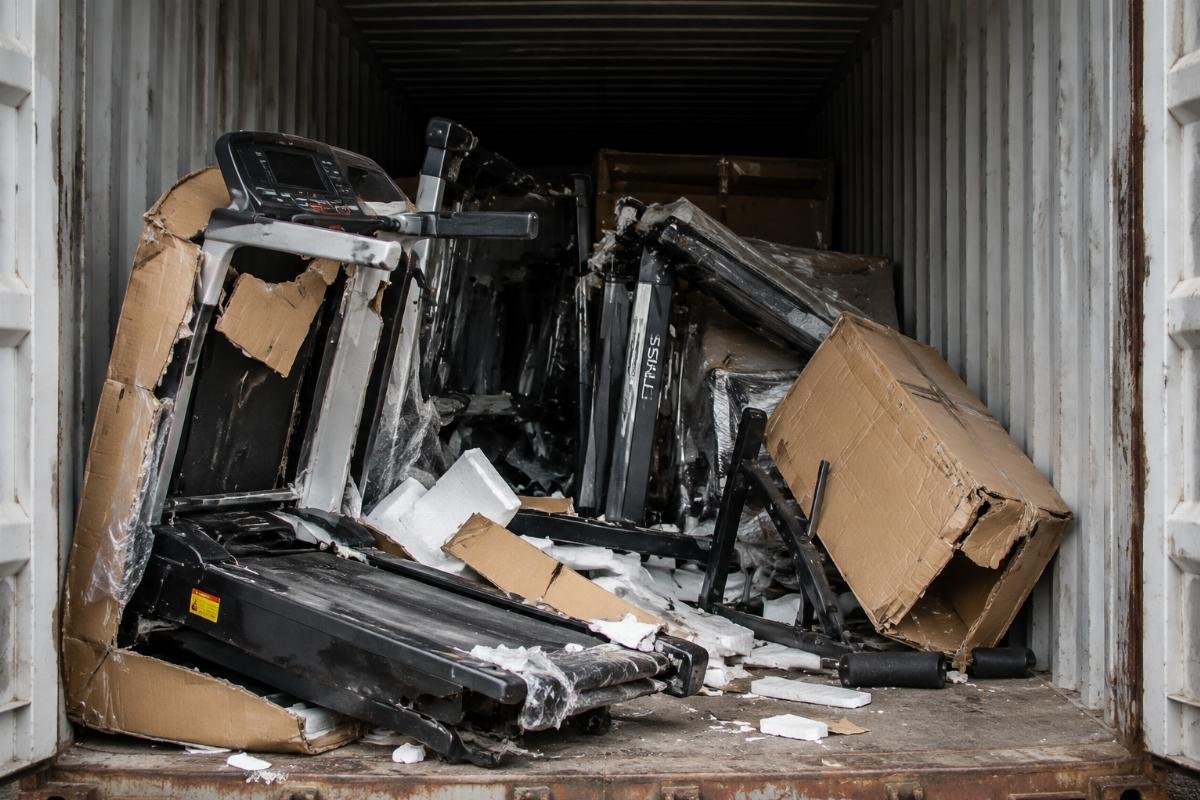
Audit the packaging specification in writing. Ocean freight exposes wood equipment to container condensation — the so-called "container rain" effect. Proper packaging includes corner protectors, EPE foam separation, and a sealed humidity barrier around each reformer. Without this, even perfectly dried maple can absorb moisture during a multi-week sea crossing.
-
Confirm the finish system in writing — not just "lacquer" but the specific type, number of coats, and curing method. UV-cured multi-coat systems behave fundamentally differently from single-coat nitrocellulose lacquer in humid or salty environments. [NEED_CITE: comparative performance of UV-cured versus traditional lacquer finishes on hardwood under tropical conditions]
-
Visit the factory or hire a third-party inspector for the loading day. Photograph the moisture readings, the packaging process, and the container sealing. This record protects both parties if damage claims arise later.
A Middle East studio owner learned this the hard way. His first supplier shipped reformers in standard cardboard with no humidity barrier. The containers sat on a dock in high humidity for days before loading. By the time the reformers reached his studio, the maple had already absorbed enough moisture to begin swelling — and then the desert dryness cracked it in the opposite direction. The damage rate on that shipment was severe. After switching to a supplier with sealed packaging and documented moisture controls, the damage rate dropped to near zero on subsequent orders.
What Is the Real Landed Cost of a Branded Reformer?
The unit price on the invoice is only the starting line. Packaging, freight, damage allowance, and warranty claims determine what you actually pay per reformer that reaches your studio floor intact.
Studio owners and distributors comparing custom logo maple wood reformer quotes often fixate on the FOB unit price. This is understandable — it is the number on the spreadsheet. But it is also the number that lies most often.
The true landed cost includes:
- Unit price — the factory invoice for the reformer itself.
- Packaging surcharge — proper crating, foam separation, and humidity barriers add cost per unit but prevent damage that costs multiples more.
- Freight and insurance — varies by destination, container type, and shipping season.
- Damage allowance — the percentage of units you expect to arrive damaged and need to claim or replace. A supplier with poor packaging may quote a lower unit price but carry a high damage rate that erases the savings.
- Warranty and spare parts logistics — if a carriage rail warps or a spring assembly fails, how quickly can the supplier ship replacement parts? What is the actual turnaround?
[NEED_CITE: total cost of ownership model for imported fitness equipment including damage and warranty variables]
A distributor in Latin America once switched from a cheaper supplier to a slightly higher-priced one after calculating the real numbers. The cheaper supplier’s damage rate on ocean freight was significant — reformers arriving with cracked maple, dented frames, and compromised finishes. The replacement and credit processing consumed staff time and delayed studio openings. After switching, the damage rate dropped noticeably, and the distributor found that the per-unit landed cost was actually lower despite the higher invoice price.
When you request a quote for a custom logo maple wood reformer, ask the supplier to break down the packaging spec, the historical damage rate on similar shipments, and the warranty response timeline. These data points — not the unit price alone — tell you what the reformer will truly cost you.
Conclusion
Climate-matched moisture content, verified finish systems, and honest packaging specs matter more than logo placement or unit price when sourcing maple wood reformers.
A custom logo maple wood reformer that arrives cracked, dented, or peeling is not a wood quality problem — it is a sourcing process problem. Match the moisture spec to your destination climate, verify the logo and finish method against your studio’s actual wear conditions, audit the supplier’s packaging and documentation before the container seals, and calculate landed cost including damage and warranty variables. The suppliers who welcome this scrutiny are the ones worth building a long-term partnership with.