Bulk Air Bike Purchase for Philippines Sports Retail Chain Wholesale Supplier
Cheapest unit price rarely means lowest landed cost.
For Philippine sports retail chains planning a bulk air bike purchase, the real cost battleground lies in balancing commercial-grade durability, OEM flexibility, full-container logistics, and Manila port customs compliance — not just the factory quote.
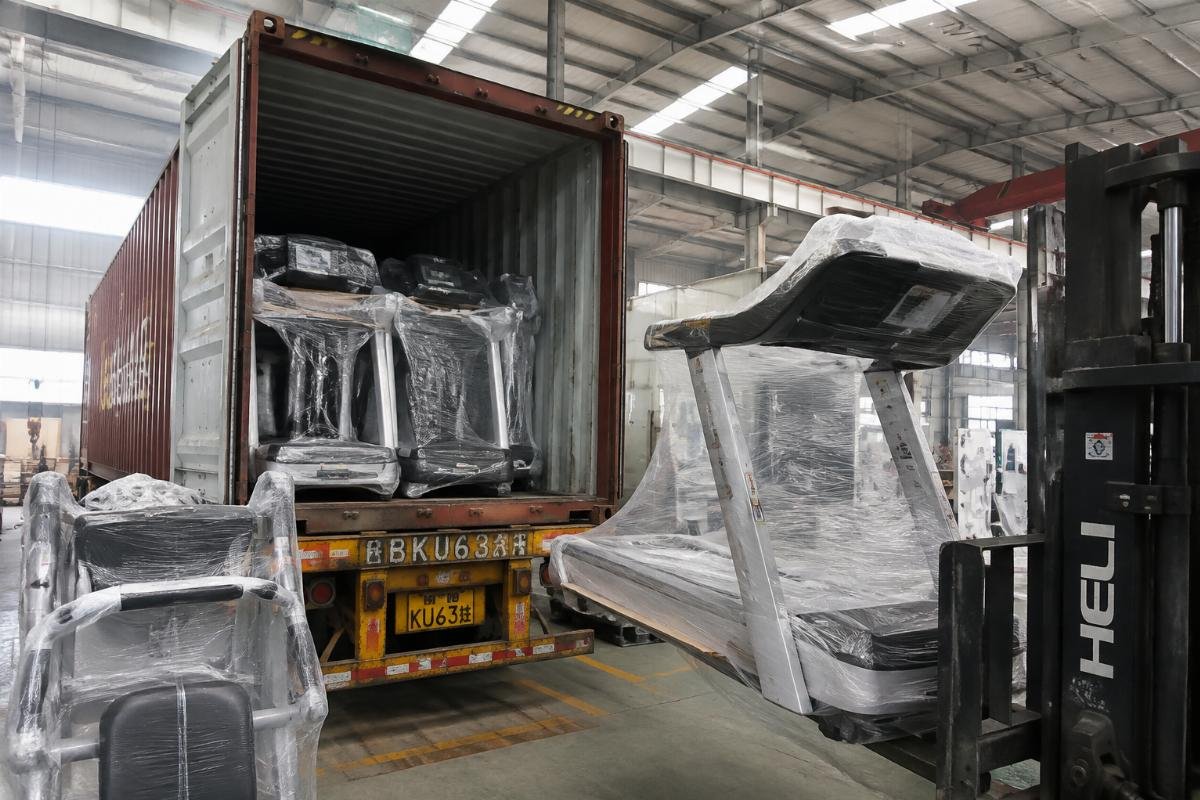
I still remember a container of spin bikes and Smith machines I shipped to a Manila gym chain years ago. The client used their own forwarder, and when the vessel docked at South Harbor, the consignee on the bill of lading didn’t match the actual customs broker entity. The container sat at the terminal for weeks. Demurrage and detention fees ballooned until they exceeded the cargo value itself. The client blamed us, withheld final payment for months, and the whole ordeal cost both sides far more than any price difference we could have offered on the invoice. Since that incident, I verify customs documentation alignment on every Southeast Asia shipment before the container even leaves the loading bay.
When you’re evaluating a bulk air bike purchase for a Philippine retail chain, you need to look at the full picture — from flywheel bearing specs to bill of lading consignee details.
Let’s break down what actually matters.
What Specs Should a Philippine Retail Chain Look for in Bulk Air Bikes?
Commercial-grade air bikes must withstand continuous multi-shift usage, which demands fundamentally heavier-duty construction than consumer models.
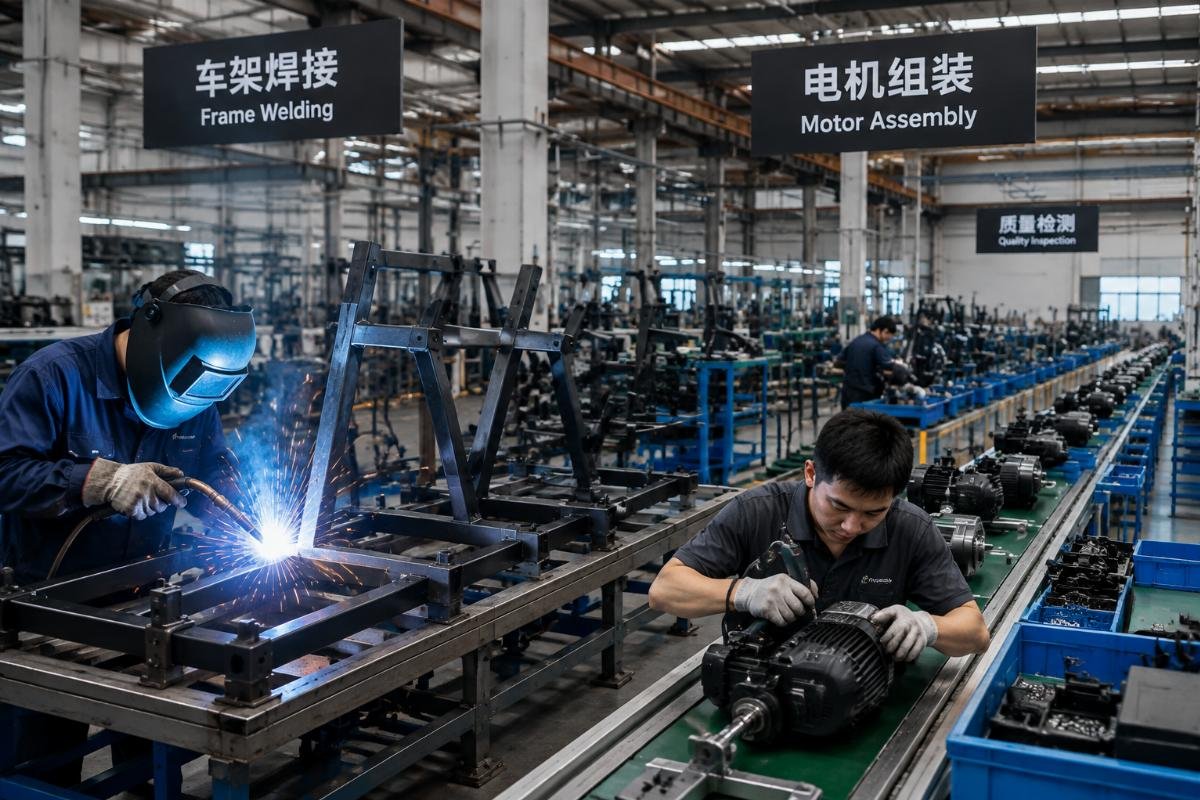
Philippine gym environments run hot and humid, with high member turnover and minimal rest periods between users. An air bike in this setting sees far more abuse than a home unit sitting in an air-conditioned garage. The key differentiators come down to frame integrity, drivetrain durability, and resistance mechanism quality.
| Parameter | Commercial-Grade | Mid-Range | Consumer-Grade |
|---|---|---|---|
| Frame Steel Thickness | Heavy-duty tubular | Standard tubular | Thin-walled |
| Flywheel Bearing Seal | Double-sealed, corrosion-resistant | Single-sealed | Open or basic sealed |
| Chain vs Belt Drive | Reinforced chain with tensioner | Belt or basic chain | Lightweight belt |
| Max User Weight Capacity | Substantially higher threshold | Moderate threshold | Lower threshold |
| Resistance Progression | Smooth, linear fan resistance | Adequate range | Limited range |
| Corrosion Protection | Multi-layer coating for tropical climate | Basic coating | Minimal treatment |
| CE/EN Certification | Certified | Sometimes certified | Rarely certified |
[NEED_CITE: commercial fitness equipment durability standards per EN 957 series]
A retail chain buyer once told me they sourced the cheapest air bikes available for their trial rollout across several Manila branches. Within a short period, they started reporting chain slippage and fan blade wobble. The flywheel bearings weren’t sealed against humidity, and the frames showed micro-cracks near the weld joints. They ended up replacing nearly the entire batch — at a total cost several times higher than if they had specified commercial-grade units from the start.
When I spec out air bikes for Philippine retail chains, I always push for double-sealed bearings and reinforced chain drives. The tropical climate accelerates corrosion on exposed metal, and the fan mechanism generates constant vibration that loosens poorly torqued fasteners. These aren’t optional upgrades — they’re baseline requirements for anything that will survive a commercial floor.
How to Structure a Bulk Order: MOQ, OEM Branding & Pricing Tiers?
Most Philippine retail chains start with a single-container trial order, then scale into annual framework agreements once they validate product-market fit.
The typical progression looks like this: an initial trial container to test member response and operational durability, followed by a re-order with refined specifications based on real-world feedback, and eventually a multi-container annual contract with locked pricing and OEM branding.
Here’s how OEM branding typically works in a bulk air bike purchase:
- Frame color and powder coating: Custom RAL color matching to align with the retail chain’s brand identity.
- Saddle and handlebar branding: Embossed or heat-transferred logos on contact surfaces.
- Console faceplate: Custom shell color and logo placement on the display panel.
- Packaging: Full-color retail boxes with the buyer’s brand, barcodes, and bilingual manuals.
- Minimum order thresholds: OEM customization usually requires a full container commitment; smaller quantities ship in neutral packaging.
[NEED_CITE: OEM private-label customization process for fitness equipment exports]
A distributor in Southeast Asia started with a single twenty-foot container of neutral-packaged air bikes to test the Philippine market. Member feedback was strong, but the retail partners wanted branded equipment to match their store aesthetics. The second order — a full forty-foot high-cube container — included custom frame colors, branded packaging, and localized assembly manuals. By the third order, they had negotiated annual volume pricing that brought per-unit costs down noticeably compared to the trial batch.
The pricing tier structure in a bulk air bike purchase generally follows container volume commitments. A single mixed container with air bikes plus other cardio or strength equipment will carry a different per-unit cost than a dedicated air bike container. Buyers who consolidate multiple SKU categories into one shipment can optimize container utilization and reduce per-piece freight costs significantly.
What Are the Hidden Costs of Importing Fitness Equipment to Manila?
The invoice price is just the starting point — port delays, documentation mismatches, and duty miscalculations can quietly erase any factory-level savings.
Importing fitness equipment into the Philippines involves layers of cost that inexperienced buyers often overlook. The FOB price from the factory is only one component. You also need to account for ocean freight, marine insurance, Philippine customs duties, value-added tax, arrastre and wharfage fees, inland trucking to your warehouse or retail locations, and — critically — potential demurrage and detention charges if documentation isn’t perfectly aligned.
Here’s where things go wrong most often:
- Consignee mismatch on the bill of lading: If the named consignee doesn’t match the licensed customs broker or the importing entity registered with the Bureau of Customs, the container cannot be cleared. It sits at the yard accumulating daily charges. [NEED_CITE: Philippines Bureau of Customs import documentation requirements for fitness equipment]
- Incorrect HS code classification: Fitness equipment falls under specific tariff headings. Misclassification can trigger inspection delays or unexpected duty rate adjustments.
- Missing import permits or clearances: Certain equipment categories require additional clearances from Philippine regulatory bodies. Failing to secure these before arrival guarantees a hold.
- Port congestion surcharges: Manila ports, particularly during peak seasons, can experience congestion that triggers additional terminal handling fees.
[NEED_CITE: Philippines import tax and duty rates for exercise and fitness equipment]
I’ve seen buyers celebrate a factory quote that was noticeably lower than competitors, only to discover that their forwarder’s documentation errors cost them weeks of port storage. The demurrage alone consumed the entire price advantage — and then some. In one case, the total landing cost ended up substantially higher than if they had paid a slightly higher FOB price to a supplier with proven export documentation experience to the Philippine market.
The practical takeaway: before you finalize a bulk air bike purchase, confirm that your supplier’s export documentation team has direct experience with Manila port clearance procedures. Ask specifically about their track record with Philippine customs. A supplier who can walk you through the HS code, the required permits, and the consignee alignment process is worth more than one who simply quotes the lowest FOB number.
How to Ensure After-Sales Support Across Multiple Store Locations?
A bulk air bike purchase without a structured spare parts and technical support plan is a liability waiting to happen.
Philippine retail chains typically operate across multiple branches spread across Metro Manila and sometimes provincial cities. When an air bike goes down on a commercial floor, you can’t afford to wait weeks for a replacement part shipped from overseas. The machine is out of service, members are frustrated, and the retail location loses revenue every day it sits idle.
A robust after-sales framework for a bulk air bike purchase should include:
- Spare parts inventory at the buyer’s central warehouse: Critical wear items — drive chains, fan blades, bearing cartridges, saddle posts, pedal assemblies — should be stocked locally from day one. The supplier should provide a recommended spare parts list calibrated to the fleet size.
- Remote technical diagnostics: Suppliers with engineering support teams can troubleshoot issues via video call, guiding local maintenance staff through repairs without waiting for an on-site visit.
- Maintenance training for in-house technicians: A short training session — either on-site during initial installation or remotely — equips the buyer’s maintenance team to handle routine adjustments and common repairs independently.
- Warranty coverage clarity: Understand exactly what the warranty covers, what it excludes, and how warranty claims are processed across borders. [NEED_CITE: commercial fitness equipment warranty terms and spare parts supply chain best practices]
A gym chain operator in Southeast Asia learned this the hard way. They purchased a large fleet of air bikes without negotiating a spare parts package. When chains started stretching and bearings started failing under commercial use, they had to source replacement parts from third-party suppliers — at premium prices and with long lead times. The downtime across their multiple locations added up to a significant revenue loss over the course of a single year.
The suppliers who perform best in the Philippine market are those who treat the spare parts supply chain as a core part of the product offering, not an afterthought. When you evaluate your bulk air bike purchase options, ask specifically about spare parts availability, lead times, and whether the supplier maintains a dedicated inventory for repeat buyers.
Conclusion
A successful bulk air bike purchase for Philippine sports retail chains requires looking well beyond the unit price.
Commercial-grade specifications ensure the equipment survives tropical conditions and heavy daily use. Structured ordering with OEM branding builds brand consistency across locations. Vigilant customs documentation prevents port delays from destroying your cost advantage. And a proactive spare parts strategy keeps every branch running without costly downtime. Get these four elements right, and the total landed value of your investment will reflect it.