Commercial Squat Rack Manufacturer for Cruise Ship Gyms in Thailand
Standard commercial powder coating is not enough for marine environments.
Selecting a commercial squat rack for cruise ship gym installations requires prioritizing marine-grade corrosion resistance and compact modularity over standard commercial specifications. The high-humidity, salt-laden air on vessels accelerates oxidation rapidly, meaning equipment must feature enhanced surface treatments like epoxy-polyester hybrids or hot-dip galvanizing, along with stainless steel hardware, to survive without frequent maintenance.
I learned this the hard way early in my career. I was handling a project for a hotel chain that wanted to equip a new wellness suite on a mid-size vessel docking in Southeast Asia. I quoted them our standard heavy-duty power racks, assuming the "commercial grade" label would suffice. The client was happy with the price and the robust steel thickness. But within months of installation, the frames started showing rust spots near the welds, and the bolted connections seized up due to salt crystallization. The client was furious, not just because of the aesthetic damage, but because the safety integrity of the racks was compromised. That failure cost us the account and taught me that maritime fitness equipment is a completely different beast from land-based gym gear.
This guide breaks down exactly what procurement managers need to look for when sourcing strength equipment for Thai cruise lines or coastal luxury hotels. It moves beyond basic durability checks to focus on the specific engineering adjustments required for life at sea.
Why Standard Gym Racks Fail on Cruise Ships?
The core issue is not the weight capacity; it is the atmospheric chemistry. On land, a gym environment is controlled. HVAC systems manage humidity, and there is no constant exposure to saline aerosols. On a cruise ship, even with advanced climate control, the ambient air contains significantly higher levels of chloride ions. These ions penetrate standard protective layers and attack the underlying steel.
Most buyers assume that a thick layer of standard polyester powder coat is sufficient. This is a dangerous misconception. Standard coatings are designed for indoor use with moderate humidity. In a marine setting, they lack the chemical bonding strength to resist salt fog penetration over time. Once the salt breaches the coating, it causes under-film corrosion, which spreads invisibly until the paint bubbles and flakes off. [NEED_CITE: correlation between chloride ion exposure and coating failure rates in marine environments]
Furthermore, the dynamic movement of a ship adds stress to welded joints. A rack that sits statically on a concrete floor in a Shandong warehouse behaves differently than one subjected to the subtle but constant vibration and rolling motion of a vessel. Micro-movements can fatigue weld points that were not reinforced for dynamic loads, leading to structural weaknesses that are not immediately visible but pose serious safety risks.
Another often-overlooked factor is space efficiency. Cruise ship gyms are premium real estate. Every square meter counts. Standard racks often have large footprints with excessive base plates or bulky uprights. For a cruise ship, the design must be compact without sacrificing stability. This means optimizing the base structure to provide a small footprint while maintaining a low center of gravity to handle the ship’s motion. Buyers who ignore this end up with cramped workout zones that feel unsafe for users performing heavy lifts.
Key Specs for Marine-Grade Squat Racks
When evaluating suppliers, you need to look beyond the general "heavy-duty" marketing claims. The specifications must be tailored for marine survival. Here is a breakdown of the critical parameters that distinguish a land-based rack from a true marine-grade unit.
| Feature | Standard Commercial Rack | Marine-Grade Rack for Cruise Ships |
|---|---|---|
| Surface Treatment | Standard Polyester Powder Coat | Epoxy-Polyester Hybrid or Hot-Dip Galvanizing |
| Hardware Material | Zinc-Plated Steel | Stainless Steel (304 or 316 Grade) |
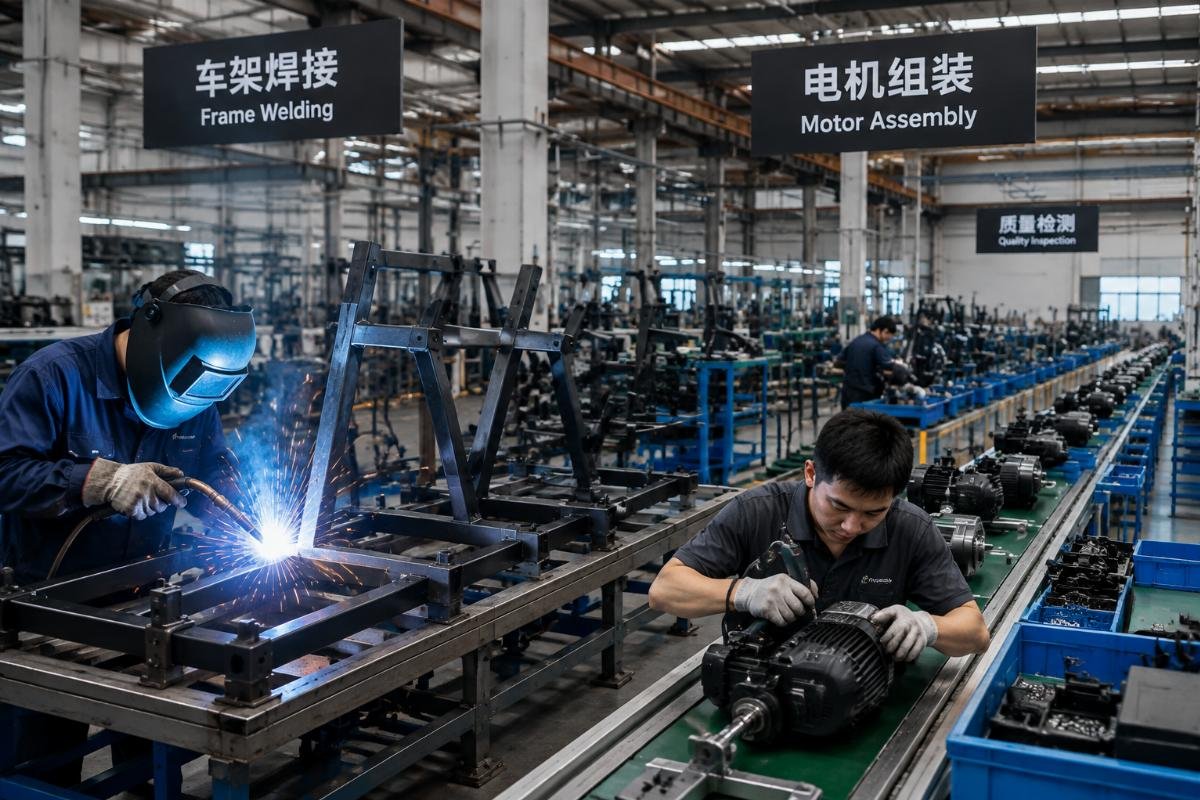
| Weld Reinforcement | Standard Fillet Welds | Reinforced Welds with Dynamic Load Testing |
| Footprint Design | Standard Base Plate | Compact, Low-Profile Base for Stability |
| Assembly Method | Bolted Together | Knock-Down Design for Container Optimization |
The surface treatment is the first line of defense. As mentioned, standard powder coating fails. You need a coating system that offers superior adhesion and chemical resistance. Epoxy-polyester hybrids provide a harder, more resilient finish that resists chipping and salt penetration. For extreme environments, hot-dip galvanizing before painting offers an additional sacrificial layer of protection, though it changes the aesthetic and requires careful application to ensure smoothness. [NEED_CITE: ASTM standards for marine coating performance]
Hardware is another critical failure point. Standard zinc-plated bolts will corrode quickly in salt air, leading to seized threads and difficult maintenance. Marine-grade racks must use stainless steel hardware, preferably 316 grade for maximum resistance, or at least 304 grade for less exposed areas. This ensures that adjustments and assembly remain smooth throughout the equipment’s lifespan.
Structural integrity checks are vital. The welded joints must be inspected for consistency and reinforced where necessary. The manufacturer should perform dynamic load testing to simulate the stresses of ship movement. This is not a standard test for land-based equipment, so you must explicitly request evidence of such testing or ask about the welding protocols used for marine projects.
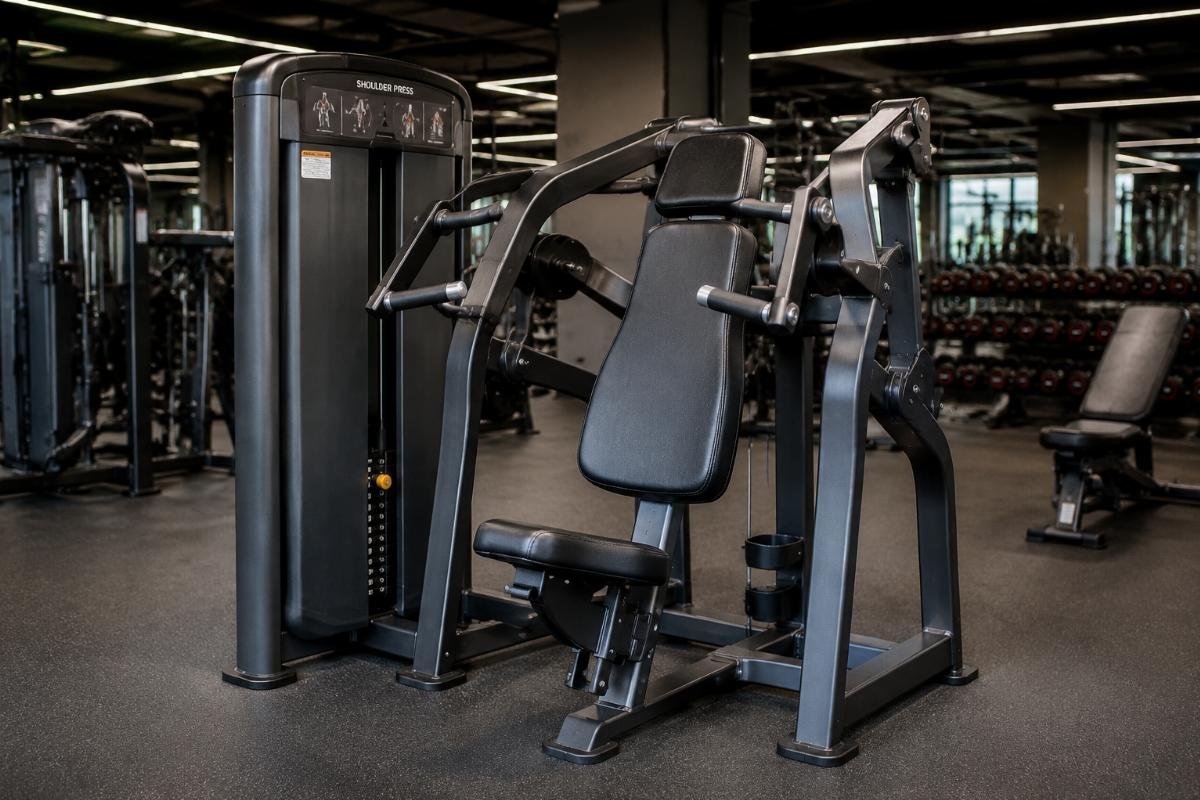
At Bick, we have adapted our production lines to meet these specific demands. For a recent project involving a luxury resort in Bangkok with a sea-view gym, the client required silent operation and a compact footprint. We customized the rack design to minimize metal-on-metal contact noise and reduced the base dimensions to fit within a tight two-square-meter zone per unit. This level of customization is only possible when working with a manufacturer that understands both the engineering and the operational constraints of hospitality marine projects.
How to Verify Supplier Capability for Marine Projects
Not every factory claiming to make "commercial" equipment can handle marine specifications. Verifying capability requires digging into their quality control processes and past project references. Do not just accept a brochure; ask for proof.
First, request salt spray test reports. These reports should align with international standards such as ASTM B117 or ISO 9227. The report should show how long the specific coating system lasted before signs of red rust appeared. A reputable supplier will have this data readily available for their marine-grade finishes. If they hesitate or provide generic certificates, it is a red flag. [NEED_CITE: importance of ASTM B117 testing for marine equipment validation]
Second, check references from other hospitality or marine projects. Ask specifically about projects in Southeast Asia or other coastal regions. A supplier with experience in Thailand, Singapore, or the Middle East will understand the logistical and environmental challenges better than one who only serves inland markets. Look for case studies where the equipment has been in service for several years without major corrosion issues.
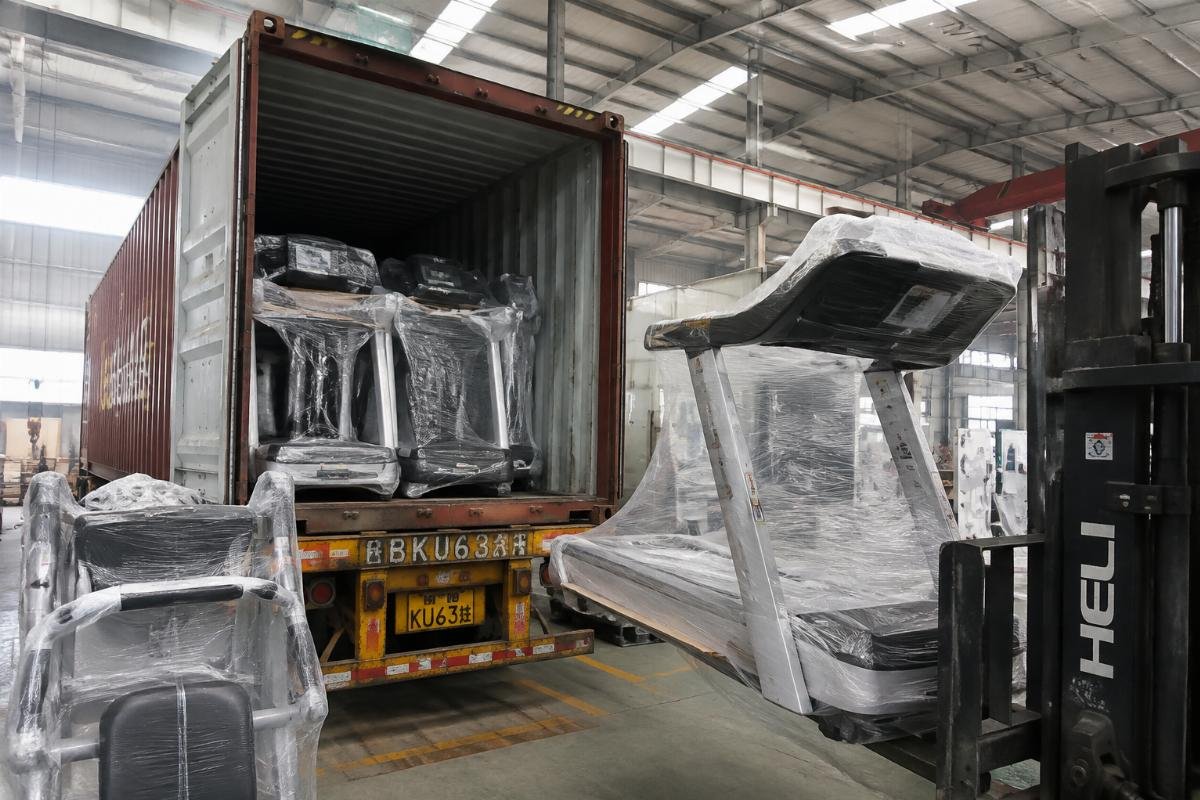
Third, evaluate their approach to modular assembly. Cruise ship logistics are complex. Equipment often needs to be shipped in knock-down form to maximize container utilization and then assembled onboard. The supplier should provide clear, detailed assembly guides and ensure that all parts are labeled correctly. Poor packaging can lead to damaged components during transit, which is a nightmare to resolve when the ship is docked in a foreign port for only a short time.
I recall a regional distributor who consolidated a mixed container load for ports in Thailand. They emphasized the need for a knock-down design that could fit efficiently into a 40ft high-cube container. By optimizing the packaging, we reduced the freight cost per unit significantly. This attention to logistical detail is just as important as the product quality itself. A supplier who ignores packaging efficiency is costing you money before the equipment even arrives.
Logistics and Installation for Thailand Ports
Shipping fitness equipment to Thailand involves navigating specific port regulations and handling procedures. Understanding these logistics can prevent delays and extra costs. Most cruise ships dock at major ports like Laem Chabang or Phuket. Ensuring that your supplier is experienced with DDP or CIF terms to these destinations can simplify the process.
Packaging is critical. Marine transport involves exposure to humid air even inside containers. Using desiccants and vapor-corrosion inhibitors in the packaging can protect the equipment during transit. The wooden crates or pallets should be treated to meet international shipping standards to avoid customs issues. [NEED_CITE: ISPM 15 standards for wood packaging in international trade]
Installation onboard requires careful planning. Cruise ship crews are often not trained fitness equipment technicians. Therefore, the assembly process must be straightforward. Providing video guides or having a technical supervisor available for remote support can be invaluable. Some suppliers offer on-site installation services, but this is often costly and logistically difficult for cruise ships. A well-designed, easy-to-assemble rack is the best solution.
For a recent refit project, the client needed twenty units for a mid-size vessel. We focused on ensuring that each component was clearly labeled and that the assembly instructions included torque specifications for all bolts. This prevented over-tightening or under-tightening, which could compromise stability. The result was a smooth installation process that was completed within the tight window allowed by the ship’s schedule.
Conclusion
Choosing the right equipment is about surviving the environment, not just lifting the weight.
Sourcing a commercial squat rack for cruise ship gym facilities demands a shift in mindset from standard commercial buying. Prioritize marine-grade materials, verified corrosion resistance, and logistical efficiency. By focusing on these specific requirements, you ensure that your investment remains safe, functional, and aesthetically pleasing for years to come, regardless of the salty air.