
Buy Seated Row Machine at Factory-Direct Cost from Bick
Brand premiums do not equal structural integrity.
Sourcing a commercial seated row machine directly from a certified manufacturer eliminates marketing overhead, allowing gym owners to acquire heavy-duty equipment at significantly lower costs while maintaining the same steel gauge and weld standards as premium brands. This approach requires strict validation of technical specifications rather than reliance on brand reputation.
Walking through the humid aisles of a warehouse in Ho Chi Minh City, I watched a fitness franchise owner run his hand along the welded joints of a new strength unit. He was not looking for a logo. He was checking for porosity in the weld bead and feeling the thickness of the rectangular tubing. Years ago, when I first started visiting gym sites across Southeast Asia with my mentor, clients would ask if our frames were thinner because the price was lower. The assumption was that low cost meant compromised safety. In reality, the price difference between a top-tier international brand and a factory-direct source is largely composed of distribution layers, marketing campaigns, and regional warehousing fees. The raw material—the steel tube, the powder coating, the pulley system—often comes from similar supply chains. By cutting out the intermediaries, buyers can redirect their capital toward higher volume or better facility amenities without sacrificing durability. [NEED_CITE: cost structure breakdown of commercial fitness equipment manufacturing vs retail pricing]
Why Do Gym Owners Switch to Factory-Direct Sourcing?
The primary driver for shifting procurement strategies is the elimination of brand markups. When a gym chain purchases from a well-known global brand, they are paying for the assurance of consistency and the prestige of the name. However, for operators focused on return on investment, this premium does not always translate to longer equipment life. A seated row machine factory direct from a specialized manufacturer offers the same commercial-grade build quality but removes the costs associated with global advertising and multi-tier distribution.
Consider the case of a hotel chain in Southeast Asia that needed to outfit fitness centers across multiple properties. They required equipment that could withstand high usage from guests who might not treat the machines with care, yet they needed to keep the initial capital expenditure manageable. By sourcing directly, they consolidated a forty-unit strength package into a single shipping container. This consolidation did more than just lower the per-unit equipment cost; it drastically reduced freight expenses and simplified customs clearance. The focus shifted from buying a "brand" to buying a specification: silent operation for guest areas, space-efficient footprints, and robust upholstery that could handle daily cleaning cycles.
The misconception that factory-direct means lower quality persists because many buyers equate price with value. In the fitness equipment industry, value is defined by cycle life and maintenance frequency, not the sticker price. A machine that costs half as much but requires the same annual cable replacement and bearing lubrication is a superior financial asset. The key is verifying that the manufacturer adheres to international safety standards and uses materials that meet commercial demands. [NEED_CITE: impact of procurement channel on total cost of ownership for commercial gym equipment]
What Specs Define a Commercial-Grade Seated Row?
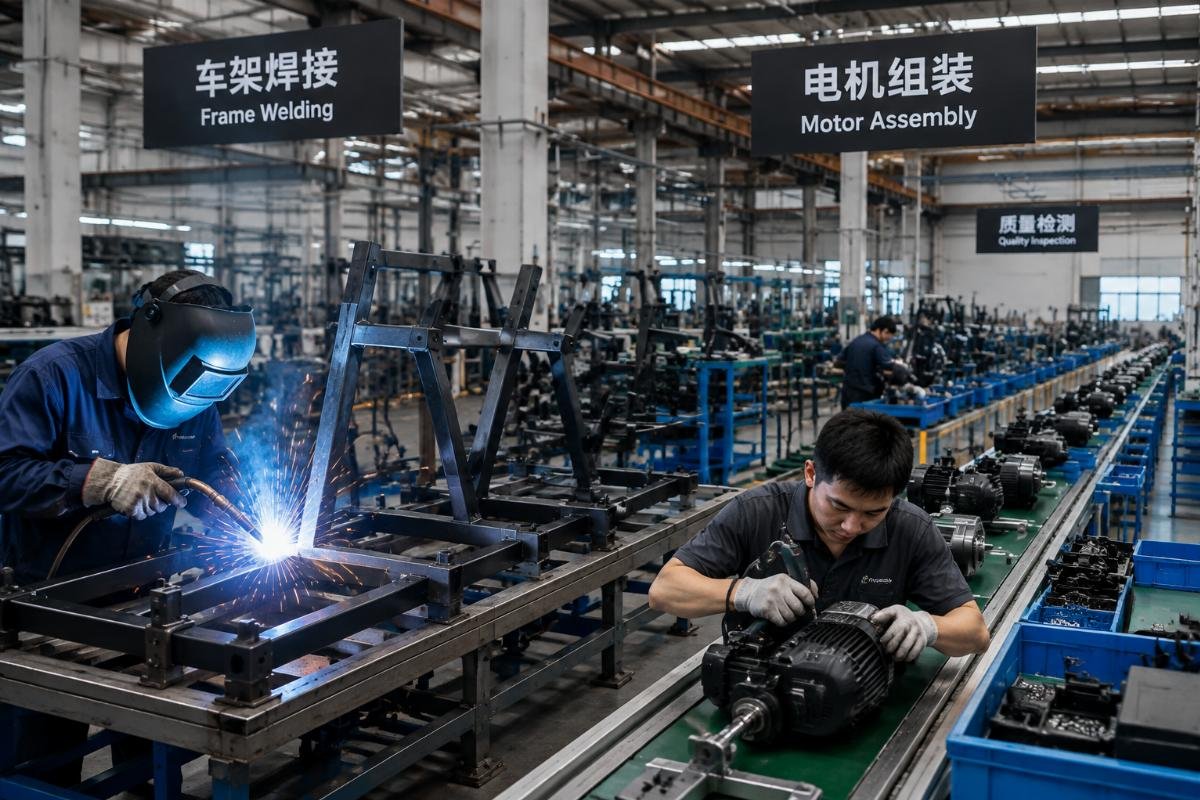
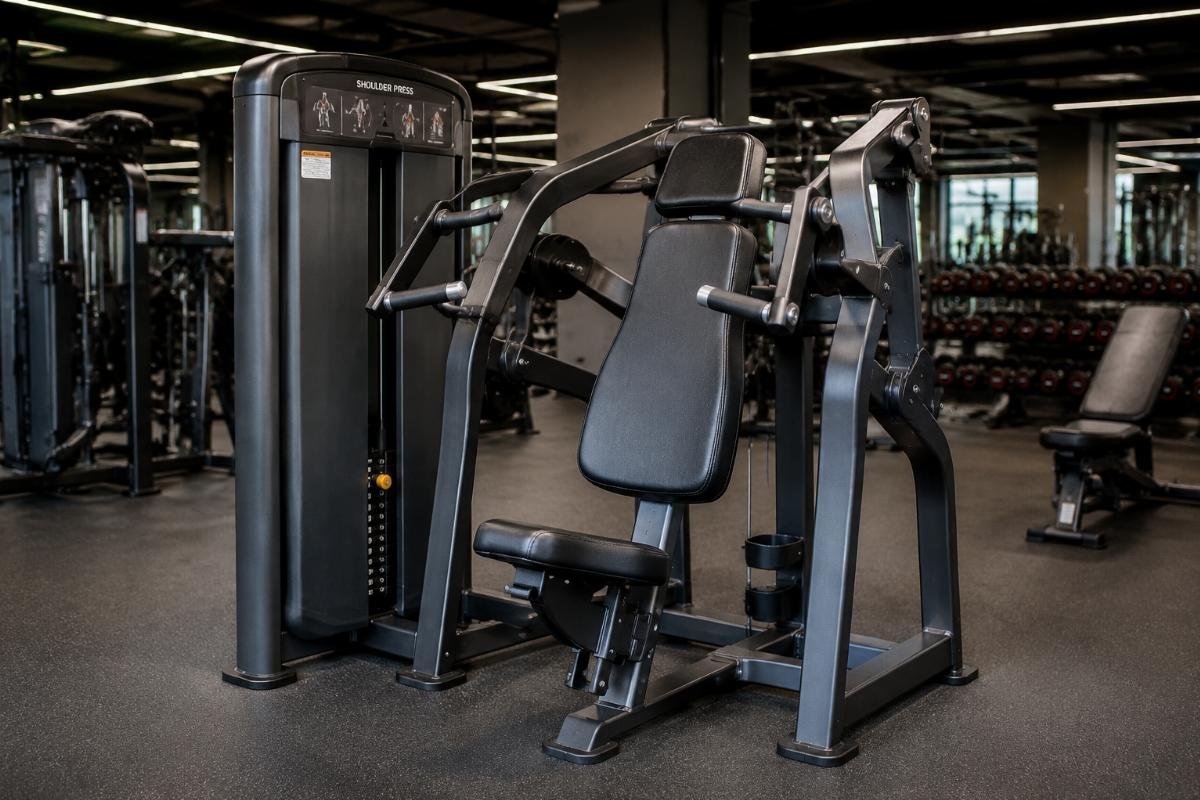
When evaluating a seated row machine factory direct option, aesthetics should be the last consideration. The core of the machine lies in its structural components. Buyers must look beyond the glossy finish and examine the engineering details that determine longevity. The most critical factor is the steel gauge used in the main frame. Commercial environments demand thicker walls to resist bending under heavy loads and frequent use.
| Specification Factor | Premium Brand Standard | Factory-Direct Commercial Grade | Budget/Consumer Grade |
|---|---|---|---|
| Frame Steel Thickness | Heavy-gauge rectangular tubing | Heavy-gauge rectangular tubing | Thin-walled round tubing |
| Weld Quality | Robotic, consistent beads | Robotic or skilled manual, inspected | Spot welds, visible porosity |
| Pulley System | Sealed bearings, nylon-coated cables | Sealed bearings, aircraft-grade cables | Open bushings, standard cables |
| Upholstery Density | High-density foam, vinyl cover | High-density foam, commercial vinyl | Low-density foam, thin vinyl |
| Weight Stack Precision | Calibrated plates, smooth guide rods | Calibrated plates, chrome-plated rods | Unchecked weights, friction-prone rods |
In Vietnam, a fitness franchise replaced their aging premium brand units with OEM alternatives. The decision was driven by a side-by-side comparison of steel thickness and weld integrity. The new units matched the structural rigidity of the old ones but allowed the franchise to expand its floor space with more machines for the same budget. The buyer focused on the millimeter thickness of the steel tubes and the quality of the powder coating process, which prevents rust in humid climates. [NEED_CITE: mechanical stress testing standards for commercial strength training equipment]
Another critical component is the weight stack and cable system. A smooth pull is essential for user experience and joint safety. High-quality machines use sealed bearings in the pulleys to reduce friction and noise. The cables should be aircraft-grade, coated with nylon to prevent fraying and skin irritation. If a factory-direct supplier cannot provide details on the bearing type or cable construction, it is a red flag. The goal is to ensure that the machine feels solid and moves smoothly, regardless of the brand name on the plate.
How to Verify Quality Before Shipment?
Trust is good, but verification is essential. When sourcing a seated row machine factory direct, buyers must implement a rigorous quality control process. Relying solely on the manufacturer’s self-reporting is risky. Instead, buyers should request third-party inspections or conduct virtual audits. These inspections check for compliance with international safety standards such as CE or ISO certifications. [NEED_CITE: role of third-party inspection in reducing import defect rates for fitness equipment]
Certification is not just a piece of paper; it represents a commitment to safety protocols. A CE-certified machine has undergone testing for stability, load capacity, and pinch points. For gym owners, this reduces liability and ensures guest safety. During a recent project for an Indonesian distributor, we managed the risk of sea freight damage by enforcing strict packaging protocols. The inspector checked not only the machine’s assembly but also the reinforcement of the cartons. Upholstery is vulnerable to compression and moisture during long-haul transit. Proper packaging includes corner protectors, moisture barriers, and secure strapping to prevent movement inside the container.
A common mistake is assuming that all factories have the same quality control standards. Some may skip final assembly checks to speed up production. By requiring pre-shipment photos or video calls, buyers can verify that the machines are fully assembled and functional before they leave the factory floor. This step catches issues like misaligned weight stacks or loose bolts that would be costly to fix after arrival. [NEED_CITE: best practices for pre-shipment inspection of heavy machinery imports]
How to Optimize Logistics for Bulk Orders?
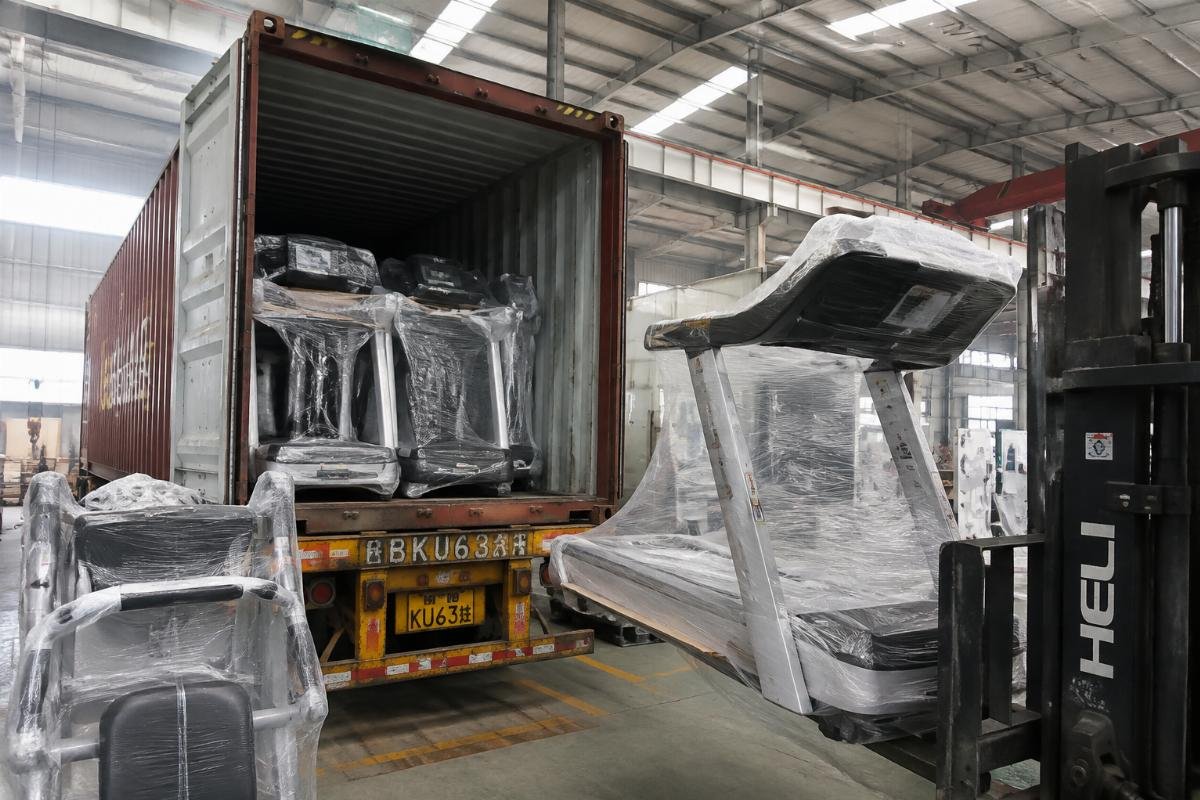
Logistics can make or break the profitability of a factory-direct purchase. Shipping individual machines is inefficient and expensive. The most effective strategy is container-load consolidation. By combining multiple types of equipment—such as seated rows, leg presses, and dumbbells—into a single container, buyers maximize space utilization and minimize per-unit freight costs. This requires careful planning and coordination with the manufacturer.
An Indonesian distributor learned this lesson the hard way. Their initial order arrived with significant upholstery damage due to poor stacking. The subsequent order was planned with a detailed loading map. Machines were positioned to distribute weight evenly, and fragile components were protected with additional buffering. This attention to detail prevented damage and ensured that the equipment arrived ready for immediate installation. [NEED_CITE: freight optimization techniques for bulky fitness equipment imports]
Working with a manufacturer that offers turnkey solutions simplifies this process. They understand how to pack different items together securely. For example, smaller items like weight plates can fill gaps between larger machines, preventing shifting during transit. This level of coordination requires experience and communication. Buyers should provide clear instructions on delivery timelines and port requirements. The goal is to receive a complete, undamaged shipment that can be deployed quickly, minimizing downtime for the gym or hotel.
Conclusion
Sourcing directly transforms equipment procurement from a brand purchase to a specification buy.
By focusing on steel gauge, weld quality, and logistical efficiency, gym owners can secure commercial-grade seated row machines without the premium price tag. Success lies in rigorous verification and smart consolidation, ensuring that every dollar spent contributes to durability and performance rather than marketing overhead.