
Wholesale Plyo Box Bulk Order – OEM Commercial Gym Manufacturer
Softer foam does not mean better quality — it usually means faster failure.
The success of a Plyo Box Bulk Order depends on three hidden specifications: foam density, cover material, and edge stitching construction. Size and price mean nothing if the box collapses after a few weeks of heavy use.
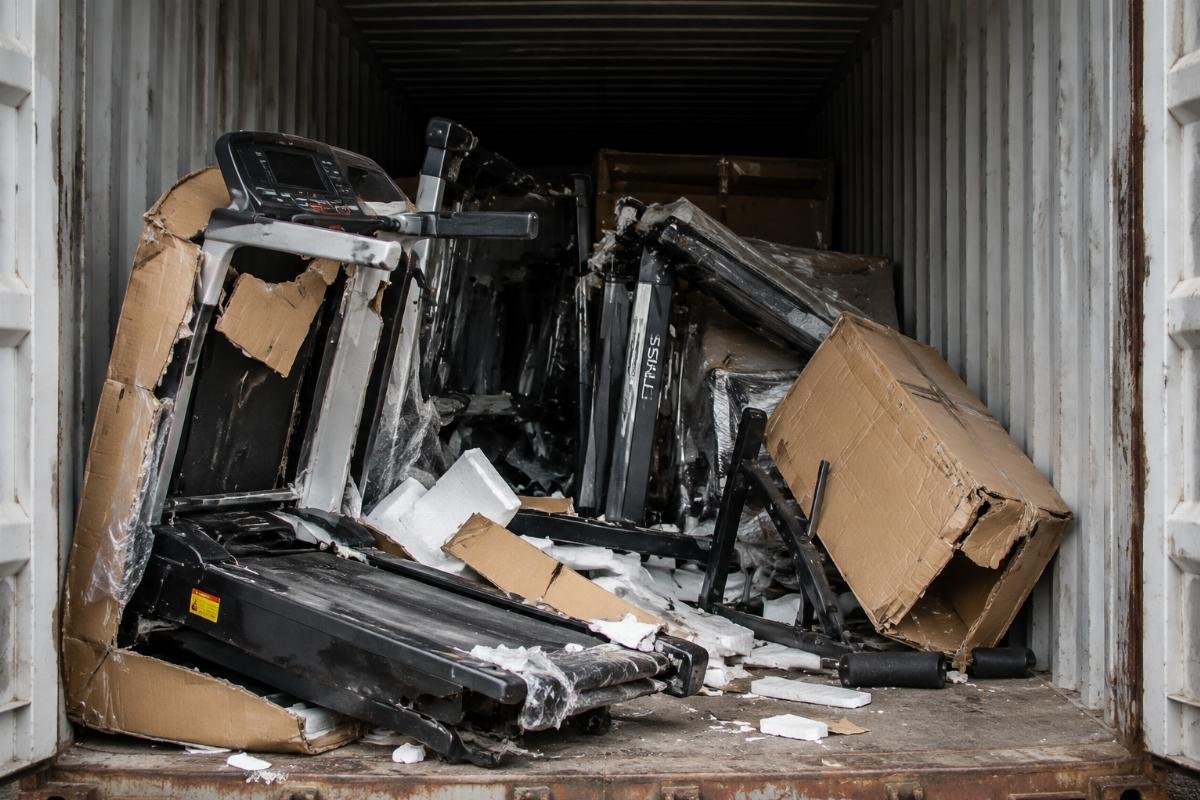
I still remember the container that came back from the Middle East. A CrossFit facility had been using our standard plyo boxes for daily box jumps, and within a short period, the vinyl covers split open along every seam. The foam underneath had compressed permanently, leaving the boxes unusable. The entire shipment was returned. That loss cost several times what anyone saved by choosing cheaper materials. Since then, every Plyo Box Bulk Order I handle starts with a conversation about density, cover thickness, and how the edges are stitched together — not just the dimensions on the spec sheet. [NEED_CITE: common failure modes in high-impact fitness equipment per ASTM F381]
If you are sourcing for a commercial gym, a distributor warehouse, or a chain of fitness studios, understanding these three specifications will save you from the kind of returns that destroy supplier relationships and profit margins.
What Specs Matter Most in a Plyo Box Bulk Order?
Foam density, cover type, and edge construction determine the real lifespan of a plyo box — far more than the price tag suggests.
When buyers first reach out for a Plyo Box Bulk Order, the conversation almost always starts with dimensions: 20-inch, 24-inch, 30-inch heights. But dimensions are the easiest part to get right. The specifications that actually separate a box that lasts years from one that ends up in a landfill are the ones rarely listed on a basic quotation.
| Specification | Low-Tier Build | Mid-Range Build | Commercial-Grade Build |
|---|---|---|---|
| Foam Density | Noticeably soft, compresses quickly | Standard resilience | High-density, slow-recovery |
| Cover Material | Thin vinyl, prone to tearing | Medium-weight vinyl | Heavy-duty vinyl or leather-grade |
| Edge Stitching | Single-layer seam | Double-layer seam | Reinforced double-layer with binding |
| Corner Reinforcement | None | Basic tape | Additional padding and rivet anchors |
| Expected Durability | Vulnerable under daily use | Resistant under moderate use | Robust under heavy daily use |
A distributor in Southeast Asia once ordered a large batch based purely on the lowest unit price. The foam was so soft that athletes’ feet sank deeply on landing, creating instability. Within months, the corners began splitting because the cover material could not handle the repeated stress concentration at the edges. [NEED_CITE: stress concentration patterns in flexible foam-core fitness equipment] The replacement order cost substantially more than the original savings.
The lesson is straightforward: when you evaluate a Plyo Box Bulk Order, ask for the foam density grade, the cover material weight, and a close-up photo of the edge stitching before you commit.
Foam Density: How to Choose the Right Hardness for Your Gym?
Matching foam density to your usage intensity is the single most important decision in a Plyo Box Bulk Order.
Foam density directly affects three things: how the box feels under an athlete’s foot, how much noise it absorbs on landing, and how long it takes before the foam permanently deforms. Low-density foam feels comfortable initially but compresses permanently under repeated impact. High-density foam maintains its shape much longer but feels firmer underfoot. [NEED_CITE: foam compression set testing methods per ISO 1856]
Here is how different density levels perform in real gym environments:
- Low-density foam works for light-use settings such as hotel fitness corners or home gyms where the box sees limited daily use. Under heavy CrossFit-style training, it compresses noticeably and loses structural support quickly.
- Medium-density foam suits general commercial gym floors where the plyo box is one of several functional training tools. It handles moderate daily traffic without rapid deformation.
- High-density foam is necessary for dedicated functional training zones, CrossFit boxes, and any environment where athletes perform repeated high-impact box jumps throughout the day. It resists permanent compression and maintains a stable landing surface.
A gym operator in the Gulf region told me they went through multiple sets of plyo boxes before realizing the foam was the problem, not the cover. The boxes looked fine on the outside, but the foam underneath had collapsed, creating an uneven and unsafe landing surface. Switching to a higher-density core extended the service life meaningfully and reduced noise complaints from adjacent training areas.
When placing a Plyo Box Bulk Order, always request a foam sample and press it firmly with your hand. A quality high-density foam will resist compression and return to its original shape immediately. If your hand sinks deeply and the foam recovers slowly, it will not survive a commercial gym floor.
Cover Material and Edge Stitching: Why Do Boxes Crack and Tear?
Reinforced stitching and quality cover material prevent the most common cause of returns in any Plyo Box Bulk Order.
The cover material wraps around the foam core and takes all the direct impact from athletes’ shoes. Vinyl is the most common choice for commercial plyo boxes because it balances durability, cost, and ease of cleaning. However, not all vinyl is equal. Thin, lightweight vinyl tears easily at the seams, especially around the corners where stress concentrates during box jumps.
| Cover Factor | Basic Grade | Commercial Grade |
|---|---|---|
| Vinyl Thickness | Noticeably thin | Substantially thicker |
| Tear Resistance | Vulnerable at seams | Resistant under heavy use |
| Surface Texture | Smooth, slippery when sweaty | Textured, non-slip grip |
| UV and Sweat Resistance | Degrades noticeably | Robust against discoloration |
But even the best vinyl will fail if the edge stitching is weak. The edges and corners of a plyo box experience the highest mechanical stress during use. A single-layer stitch will eventually pull apart under repeated impact. Double-layer stitching with reinforced binding tape distributes the load across a wider area and dramatically reduces the chance of seam failure. [NEED_CITE: seam strength testing standards for flexible fitness equipment covers]
Some manufacturers add rivet anchors at the corners for additional reinforcement. This is especially important for larger box sizes where the corner panels are wider and more prone to separation.
A CrossFit box owner in Europe showed me photos of two competing plyo boxes side by side. One had clean, tight double-stitched edges with visible binding tape. The other had a single row of stitching with no reinforcement. After similar usage periods, the single-stitched box had visible seam separation at two corners, while the double-stitched box showed no signs of stress.
When reviewing quotes for a Plyo Box Bulk Order, ask the manufacturer to provide detailed photos of the edge stitching and corner construction. If they cannot or will not, that is a significant warning sign.
Customization and OEM Options for Bulk Buyers
A reliable Plyo Box Bulk Order partner should offer flexible customization for branding, sizing, and color without requiring impractically large minimum orders.
Distributors and gym chain operators often need their plyo boxes to carry a specific brand identity. Logo placement, custom color matching, and non-standard dimensions are common requests. The ability to accommodate these requests — with reasonable minimum order quantities — separates a true manufacturing partner from a simple catalog seller.
Customization options typically available for a Plyo Box Bulk Order include:
- Logo application: Embossed, debossed, or printed logos on the vinyl cover. Embossing offers the most durable result because it is physically formed into the material rather than sitting on the surface.
- Color selection: Standard black and grey are most common, but custom colors help gym brands maintain visual consistency across their functional training zones.
- Size variations: Beyond the standard 20-inch, 24-inch, and 30-inch heights, some operators request intermediate sizes or modular nesting sets that stack together for space-efficient storage.
- Firmness grading: Offering multiple density options within the same order allows distributors to serve different market segments — lighter-density models for home gym retailers and high-density models for commercial CrossFit boxes.
A fitness equipment distributor in Latin America needed three different logo colorways for separate retail channels. The manufacturer accommodated all three within a single container load, keeping the per-unit cost competitive while giving the distributor distinct product lines for each sales channel.
The key is to confirm all customization details — including Pantone color references, logo file formats, and size drawings — before production begins. A written specification sheet protects both buyer and manufacturer from misunderstandings that lead to costly rework.
How to Avoid Costly Returns: A Buyer’s Checklist
Verifying samples, requesting material documentation, and confirming edge specifications before placing a Plyo Box Bulk Order prevents the majority of quality-related disputes.
Returns on fitness equipment are expensive in every direction: shipping costs, customs re-entry fees, lost sales, and damaged buyer-supplier trust. The good news is that nearly all quality failures in plyo boxes are detectable before a full order ships, if the buyer knows what to check.
Here is a practical checklist for any Plyo Box Bulk Order:
- Request a pre-production sample — Never place a bulk order based on catalog photos alone. A physical sample lets you test foam density by hand, check cover thickness, and inspect edge stitching under good lighting.
- Ask for material test documentation — Reputable manufacturers can provide foam density test reports and vinyl tear-strength certificates. [NEED_CITE: material testing documentation requirements for fitness equipment per EN ISO 20957]
- Inspect the edge construction in detail — Turn the sample over and look at how the cover panels meet at the corners. Double-layer stitching with binding tape should be clearly visible. Any exposed raw foam edges are a red flag.
- Perform a compression test — Stand on the sample box and jump lightly several times. The foam should resist bottoming out and return to shape immediately. Permanent indentation after light use indicates insufficient density.
- Confirm packaging specifications — Plyo boxes are bulky and can be damaged in transit if not packed properly. Corner protectors and individual poly bags reduce the risk of cover damage during ocean freight.
- Clarify the warranty and replacement terms — Understand what the manufacturer considers a defect versus normal wear, and what the process is for claiming replacements on a future order.
A gym chain operator in North America once received a large Plyo Box Bulk Order where the foam density was noticeably lower than the approved sample. Because they had kept the pre-production sample, they were able to document the discrepancy with photographic evidence and density comparison, leading to a partial replacement at the manufacturer’s cost. Without that sample, the dispute would have been far more difficult to resolve.
The discipline of checking before ordering always costs less than the cost of returning an entire container.
Conclusion
A successful Plyo Box Bulk Order is built on foam density, cover quality, and edge construction — not just price and dimensions. Verify every specification with a physical sample, confirm material documentation, and choose a manufacturing partner who understands the demands of commercial gym environments. These steps protect your investment and keep your athletes training safely.