Commercial Elliptical for Boutique Studio: OEM Manufacturer & Wholesale Supplier
Heavier is not better for boutique studios; silence and footprint are.
For boutique studio owners, the ideal commercial elliptical for boutique studio prioritizes magnetic resistance for near-silent operation, a compact stride length to maximize floor efficiency, and aesthetic customization to match premium interior design, rather than the heavy-duty industrial durability required by big-box gyms. Sourcing directly from specialized OEMs allows for these specific adjustments without the prohibitive costs associated with top-tier branded equipment.
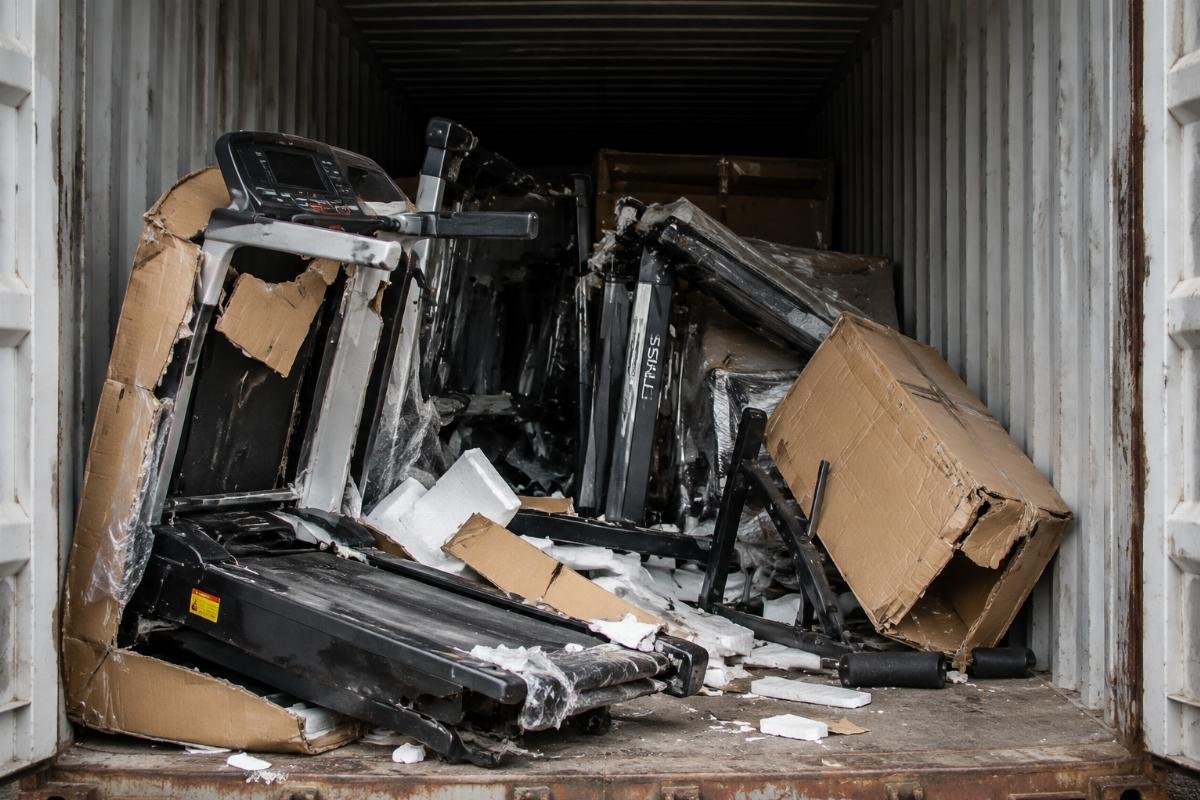
Having spent years on the procurement side verifying factory outputs for overseas distributors before transitioning to manufacturing in Shandong, I have seen how standard commercial specs fail in intimate settings. A client in Doha once ordered a batch of heavy-flywheel ellipticals intended for a high-end wellness center. The machines were robust, but their footprint consumed half the available space, and the mechanical noise disrupted the tranquil atmosphere essential for their hybrid Pilates-cardio classes. The cost of return shipping exceeded the initial savings, forcing a complete reorder. This experience highlighted that selecting a commercial elliptical for boutique studio requires a different evaluation framework than equipping a municipal gym. [NEED_CITE: acoustic engineering guidelines for mixed-use commercial spaces]
Why Standard Commercial Ellipticals Fail in Boutique Settings?
Bulkiness and industrial noise disrupt the intimate, premium atmosphere that defines boutique fitness experiences.
Standard commercial ellipticals are engineered for high-traffic public gyms where durability and maximum user weight capacity are the primary metrics. These machines often feature large footprints, aggressive stride lengths, and mechanical resistance systems that generate audible hums or clicks. In a boutique environment, where class sizes are small and the ambiance is curated, these features become liabilities.
The core issue lies in the mismatch between equipment design and user expectation. Boutique members pay for an experience that feels exclusive and comfortable. A machine that dominates the visual field or creates a distraction through noise undermines this value proposition. Furthermore, the spatial efficiency of a boutique studio is critical. Every square meter must contribute to revenue generation, whether through class capacity or personal training zones. Standard models often waste valuable floor area with oversized frames that offer no functional benefit to the average boutique user.
When evaluating options, it is crucial to recognize that industrial-grade durability is often over-engineered for boutique use. While a public gym might see hundreds of users daily, a boutique studio typically has controlled class sizes. Therefore, the wear-and-tear profile is significantly lower, allowing for a focus on other performance attributes such as smoothness and aesthetics. [NEED_CITE: market research on boutique fitness operational metrics]
Key Specifications for Boutique-Grade Ellipticals
Prioritize magnetic resistance, compact stride, and aesthetic customization over heavy-duty industrial features.
Selecting the right commercial elliptical for boutique studio involves balancing technical performance with spatial and sensory requirements. The following matrix outlines the critical differences between standard commercial specifications and those optimized for boutique environments.
| Specification Factor | Standard Commercial Gym Model | Boutique-Optimized Model |
|---|---|---|
| Resistance System | Mechanical or Basic Magnetic | Advanced Magnetic Drive (Silent) |
| Flywheel Weight | Very Heavy (Industrial Feel) | Optimized for Smoothness (Quiet) |
| Stride Length | Fixed, Long (Generic Fit) | Compact/Adjustable (Space Efficient) |
| Frame Footprint | Large, Bulky Base | Compact, Streamlined Design |
| Aesthetic Finish | Standard Black/Grey Powder Coat | Custom Color Matching Available |
| Noise Level | Moderate to High | Near-Silent Operation |
Magnetic resistance systems are non-negotiable for boutique settings. Unlike friction-based systems, magnetic drives produce no physical contact noise, ensuring that instructors can be heard clearly without raising their voices. This technology also provides a smoother pedal motion, which enhances the perceived quality of the workout. [NEED_CITE: biomechanical benefits of magnetic resistance in cardio equipment]
Stride length optimization is another critical factor. While longer strides are marketed as superior for tall users, they require more floor space and can feel awkward for the average demographic in boutique classes, which often skew towards general fitness rather than elite athletic training. A compact yet efficient stride allows for tighter equipment layout without compromising user comfort.
Aesthetic integration is equally important. Boutique studios often invest heavily in interior design. Equipment that looks like an afterthought detracts from the brand image. Custom powder coating and logo placement allow the ellipticals to blend seamlessly with the studio’s decor, reinforcing the premium feel. [NEED_CITE: impact of environmental aesthetics on member retention in fitness centers]
How to Evaluate OEM Suppliers for Custom Branding?
Look for flexible MOQs, proven powder-coating quality, and clear communication on logo integration.
Sourcing a commercial elliptical for boutique studio directly from an OEM offers significant advantages in customization, but it requires careful vendor evaluation. Many manufacturers claim OEM capabilities but lack the flexibility to handle small batches or detailed aesthetic requests.
The first step is assessing minimum order quantity (MOQ) flexibility. Boutique studios rarely need dozens of identical units. A supplier that insists on high MOQs may not be suitable for smaller operations. Look for manufacturers who offer low MOQ options for custom branding, such as laser-cut logos or specific color matches. This flexibility indicates a modern production line capable of handling diverse orders without sacrificing efficiency.
Quality control in finishing processes is vital. Powder coating is not just about color; it affects durability and tactile feel. Request samples or visit the facility if possible to inspect the consistency of the coating. Uneven finishes or poor adhesion can lead to premature wear, especially in high-touch areas. A reputable supplier will have rigorous testing protocols for their finishing processes. [NEED_CITE: international standards for powder coating durability on fitness equipment]
Communication clarity regarding logo integration is another key indicator. Provide vector files of your logo and ask for digital proofs before production begins. Misunderstandings in logo placement or size can result in unusable equipment. Experienced OEMs will have a dedicated team to manage these details, ensuring that the final product aligns with your brand identity.
In my previous role verifying shipments, I observed that suppliers with transparent communication channels resolved issues faster and delivered higher satisfaction rates. They understood that for boutique clients, the equipment is part of the brand story, not just a tool for exercise.
Cost-Benefit Analysis: Direct Sourcing vs. Big Brands
Direct OEM sourcing offers substantial savings with comparable quality and superior customization options.
The perception that big brands guarantee quality often leads boutique owners to overpay for equipment that does not meet their specific needs. Direct sourcing from a specialized commercial elliptical for boutique studio manufacturer can reduce costs significantly while providing better alignment with studio requirements.
Big brands include substantial markups for marketing, distribution, and retail overhead. By sourcing directly, you eliminate these middlemen, allowing for investment in higher-quality components or custom features within the same budget. The savings can be redirected towards other aspects of the studio, such as marketing or instructor training.
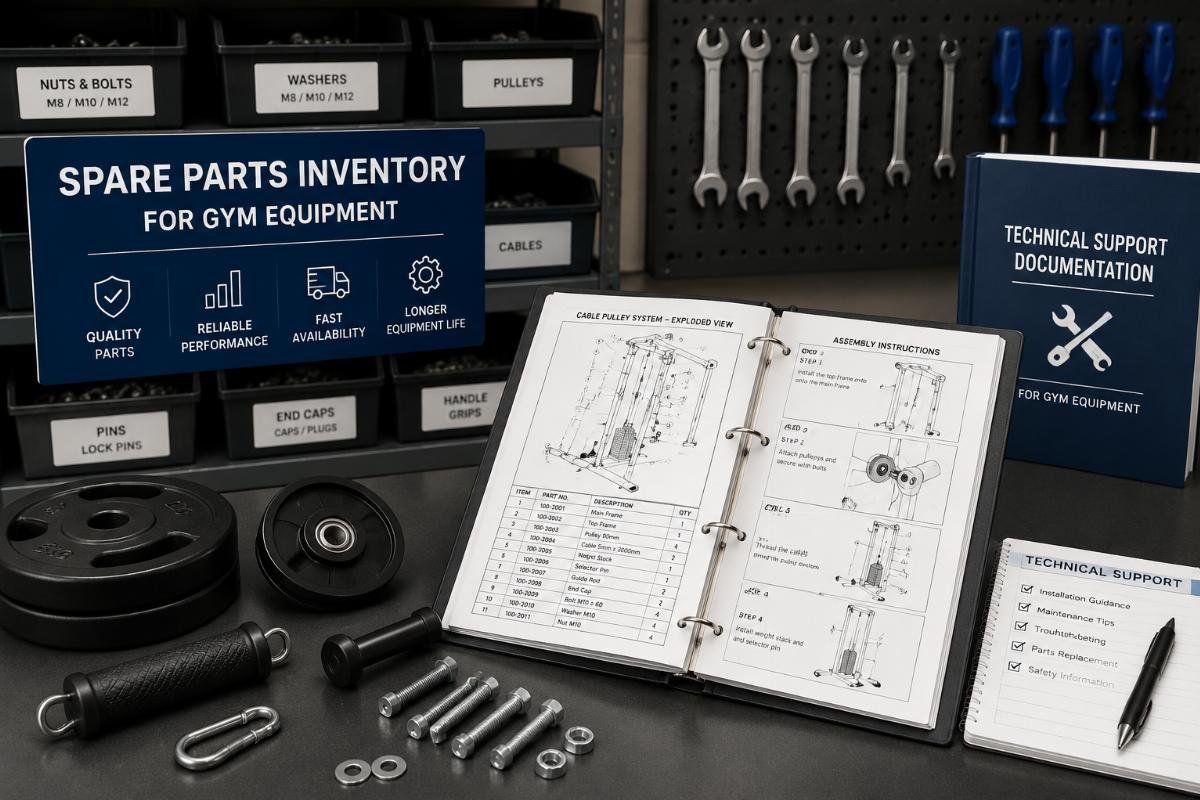
Moreover, direct OEMs often provide faster after-sales support for niche issues. Big brands may have rigid service protocols that do not account for the unique configurations of boutique equipment. A specialized manufacturer is more likely to offer tailored solutions, such as sending specific spare parts or providing technical guidance for maintenance. [NEED_CITE: comparative analysis of after-sales support models in fitness equipment industry]
It is also important to consider the total cost of ownership. Customizable equipment that fits well and operates quietly reduces the likelihood of member complaints and early replacement. This long-term value outweighs the initial convenience of buying off-the-shelf from a major brand.
When evaluating suppliers, consider their experience with international shipping and compliance. A manufacturer familiar with export regulations and safety standards, such as CE certification, ensures that the equipment meets local requirements without additional hassle. This expertise minimizes the risk of delays or customs issues, contributing to a smoother procurement process.
Conclusion
Boutique studios thrive on atmosphere and efficiency, requiring ellipticals that prioritize silence and design over industrial bulk.
Choosing the right commercial elliptical for boutique studio involves looking beyond traditional gym metrics. By focusing on magnetic resistance, compact footprints, and aesthetic customization, studio owners can create a superior member experience. Direct sourcing from flexible OEMs provides the opportunity to tailor equipment to specific brand needs while managing costs effectively. This approach ensures that the equipment enhances rather than detracts from the boutique fitness environment.