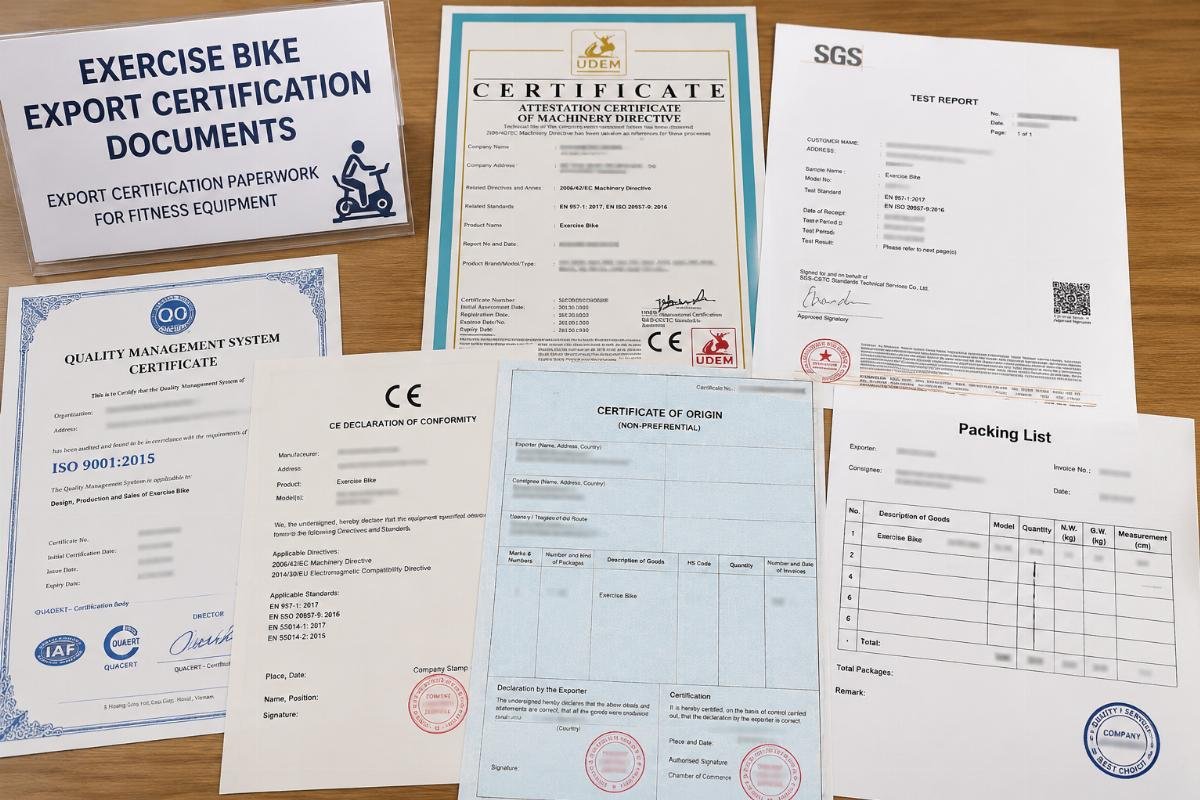
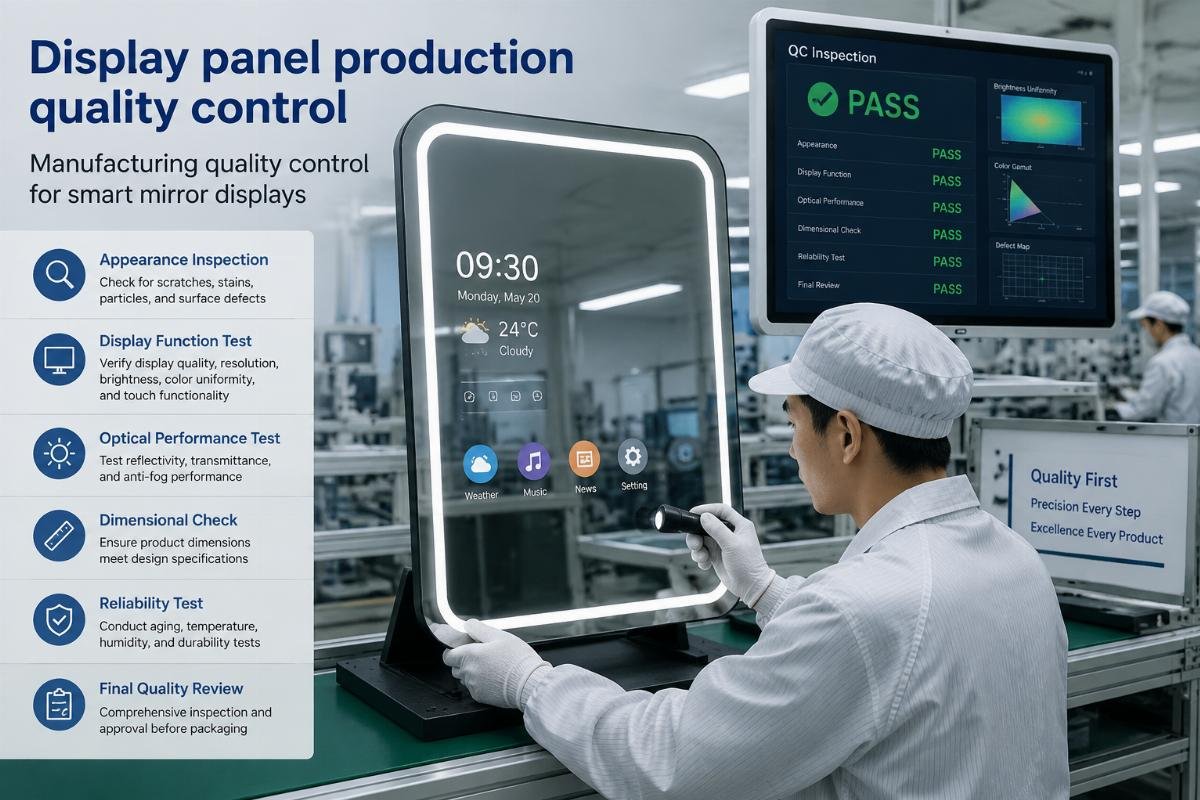
China Yoga Mat OEM Manufacturer Ranking: What Do These Lists Really Tell You?
You're searching for a China yoga mat OEM manufacturer, and ranking lists promise to simplify your decision. But here's the problem: most rankings measure scale, not suitability1. The factory at the top of the list might excel at 50,000-unit orders while struggling with your 500-piece custom project.
Rankings typically reflect production volume, export data, or customer count2—not defect rates, customization flexibility, or your order profile fit3. Before you commit to a "top-ranked" supplier, you need to translate generic scale metrics into specific capacity questions that match your actual procurement needs.
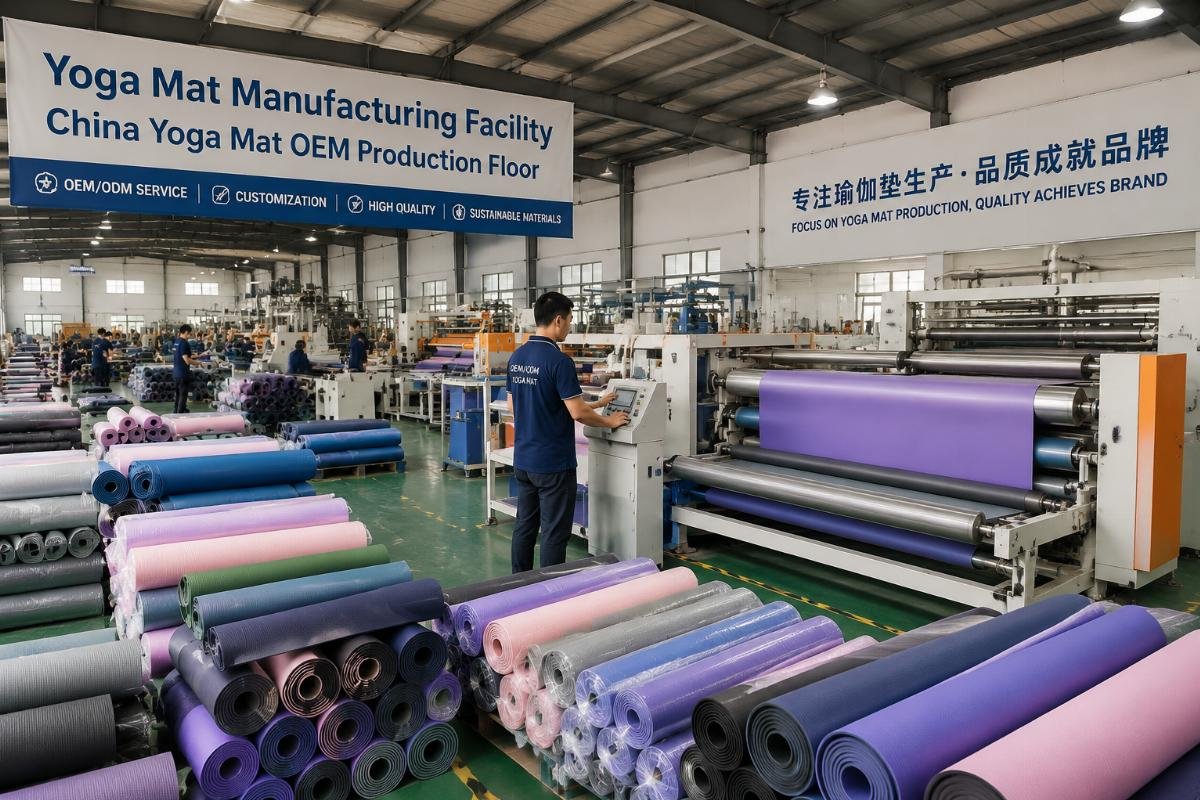
I've seen buyers make costly mistakes by treating ranking positions as quality verdicts. The right approach requires understanding what rankings actually measure, then asking the questions these lists don't answer.
What Do China Yoga Mat OEM Manufacturer Rankings Actually Measure?
When you search for rankings, you're entering a world of confusing metrics. Most ranking systems don't explain their criteria clearly, and buyers often misinterpret what the numbers mean.
Industry rankings typically measure production scale (daily output capacity), export volume (annual shipment value), or customer base size (number of active clients)—not the quality metrics you actually care about like defect rates, customization capability, small-batch flexibility, or communication responsiveness.
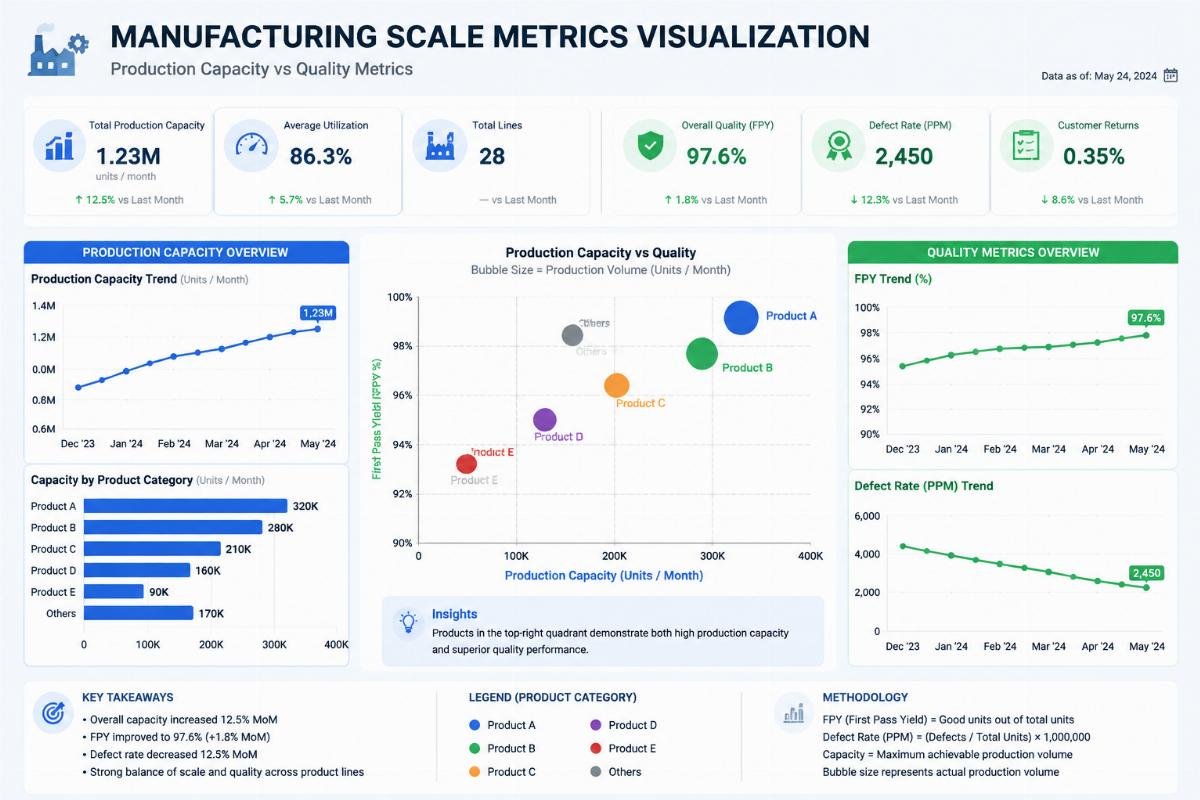
How Ranking Criteria Differ Across Sources
Different ranking sources use completely different measurement systems, which creates confusion for buyers trying to compare manufacturers.
| Ranking Source Type | Primary Metric | What It Reveals | What It Doesn't Reveal |
|---|---|---|---|
| Trade platform rankings | Transaction volume, customer reviews | Historical sales activity | Current capacity availability |
| Export data rankings | Annual shipment value, destination countries | Market reach scale | Small-order flexibility |
| Industry association rankings | Factory size, equipment investment, employee count | Infrastructure scale | Customization capability |
| Third-party directories | Paid memberships, advertising spend | Marketing investment | Actual production quality |
From customer inquiries I've handled, buyers often assume that a manufacturer ranked "#1" by a trade platform will automatically handle their order better than a "#20" factory. But I've seen situations where the lower-ranked manufacturer was actually a better fit because they specialized in the exact product specifications the buyer needed—custom thickness, specific material blends, smaller MOQ4s.
The real issue is that rankings measure what's easy to quantify—numbers like annual output or factory square footage—not what matters for your specific order, like whether the factory's production schedule can accommodate your timeline or whether their quality control process aligns with your target market's standards. When a buyer from Europe asked me about the "top three" yoga mat manufacturers, I had to redirect the conversation: "What's your order volume? Do you need eco-certifications? What's your delivery timeline?" Those questions revealed that the buyer needed a mid-sized manufacturer with TPE material expertise and Oeko-Tex certification capability—not necessarily the highest-volume producer on generic ranking lists.
Why Ranking-Driven Decisions Create Procurement Problems
Selecting suppliers based purely on ranking position leads to predictable problems that I've witnessed repeatedly with customers approaching our equipment sales.
The core issue is capacity-profile mismatch5: a factory optimized for high-volume standardized production may reject small custom orders, lack communication systems for complex specifications, or fail to meet niche market certifications—even though it ranks highly on volume-based lists.
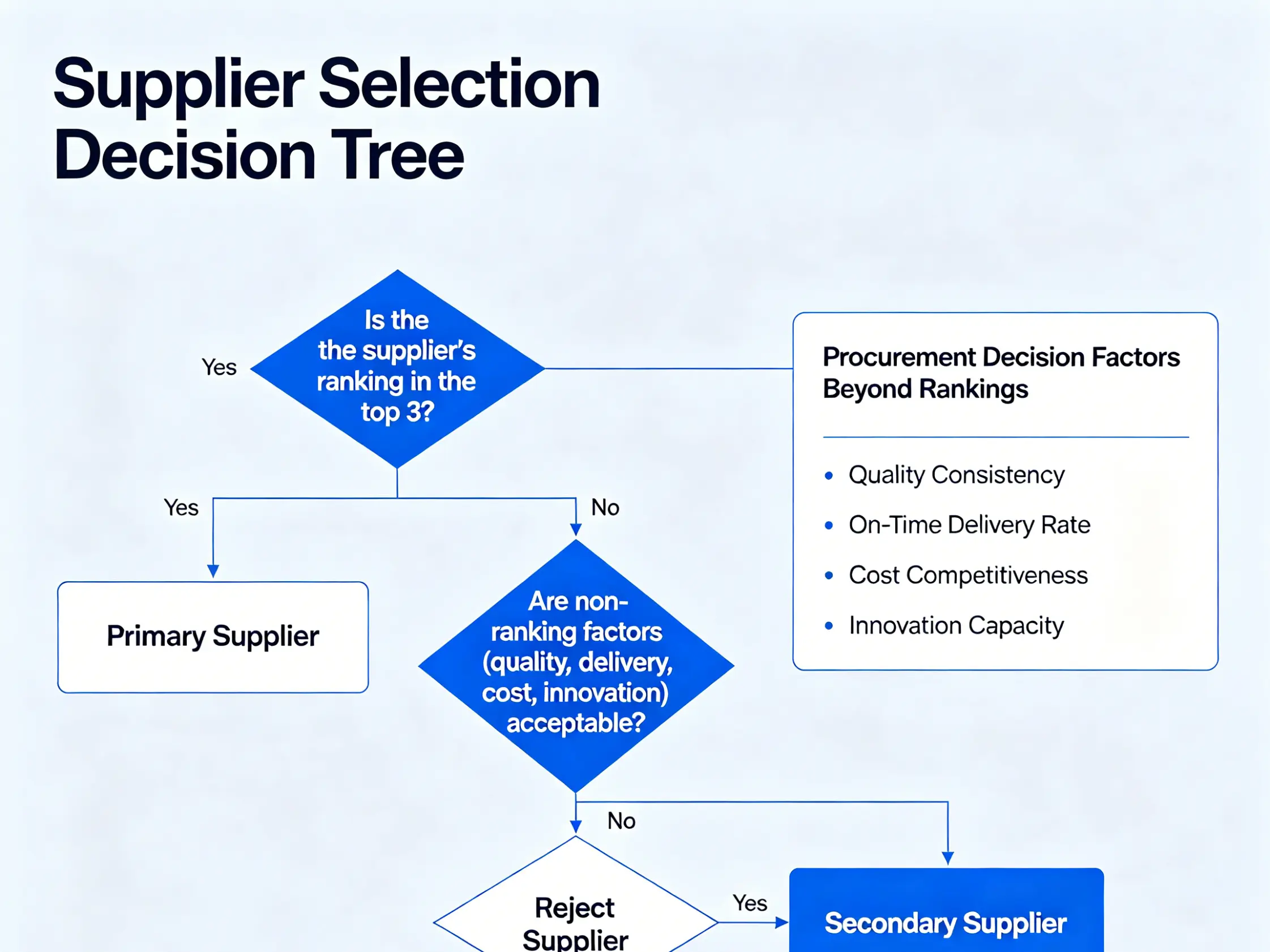
The Four Common Mismatch Scenarios
Based on buyer experiences I've observed, ranking-driven selection creates these specific problems:
| Mismatch Type | Typical Scenario | Why It Happens | Real Consequence |
|---|---|---|---|
| MOQ mismatch | Buyer needs 500 units, factory requires 5,000 minimum | High-volume factories have fixed cost structures | Forced to order excess inventory or rejected entirely |
| Customization gap | Buyer needs custom thickness/size, factory only offers standard specs | Ranked factories prioritize standardized efficiency | Design compromises or supplier change mid-project |
| Certification blind spot | Buyer needs Oeko-Tex or REACH compliance6, factory lacks certification | Volume rankings don't measure certification portfolio | Market entry barriers in target countries |
| Communication structure | Buyer needs detailed spec discussions, factory uses high-volume sales model | Large factories use templated communication for efficiency | Misunderstood requirements, production errors |
I've handled inquiries where buyers contacted factories from ranking lists only to discover that their 1,000-unit order with custom logo printing and specific material requirements didn't fit the factory's production model. One customer told me they approached a "top 5" manufacturer and received a quote with a 10,000-unit MOQ—five times their initial order quantity. The factory wasn't wrong to have that requirement, but the ranking list gave no indication that they weren't set up for smaller custom orders.
The certification mismatch is particularly frustrating for buyers targeting European or North American markets. A factory might rank highly based on total export volume to various markets, but lack the specific certifications required for your target region. I've seen buyers waste weeks in negotiations before discovering that the highly-ranked factory they chose couldn't provide the Oeko-Tex Standard 100 certification7 their retail partners required. The ranking told them about scale, but not about certification capability—and that capability difference determined whether they could enter their target market or not.
What Questions Should You Ask Instead of Checking Rankings?
Effective supplier selection requires translating your order profile into specific verification questions that rankings can't answer.
Before requesting quotes, define your order profile across five dimensions: volume requirements, customization scope, timeline constraints, certification needs, and communication expectations—then verify which manufacturers actually serve that profile, regardless of their ranking position.
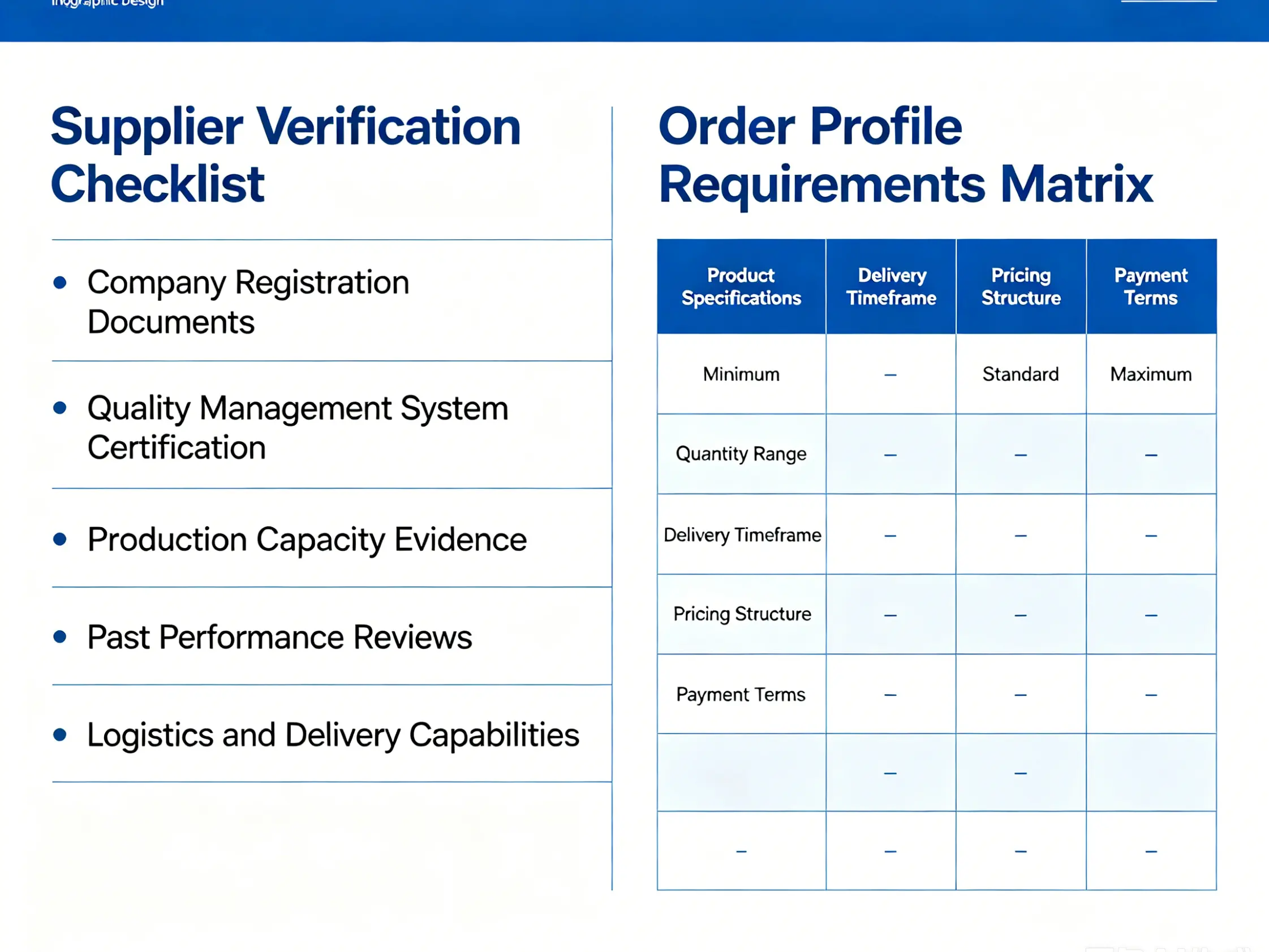
The Order Profile Framework
I recommend building your supplier inquiry around these specific variables, based on buyer mistakes I've observed:
| Decision Variable | Your Definition Task | Verification Questions for Suppliers |
|---|---|---|
| Volume requirements | Define initial order quantity, reorder frequency, growth projection | What's your MOQ for custom specifications? Can you scale production as our orders grow? |
| Customization scope | Specify material type, thickness, size, printing requirements, packaging | Do you offer custom thickness ranges? What printing methods do you support? Can you accommodate custom packaging? |
| Timeline constraints | Determine production lead time needs, shipping method, delivery urgency | What's your current production backlog? What lead time can you guarantee for our order volume? |
| Certification requirements | Identify target market regulations, customer demands, quality standards | Do you hold Oeko-Tex/REACH/CPSIA certifications? Can you provide test reports from accredited labs? |
| Communication expectations | Define your need for technical discussions, sample iterations, production updates | Who will be our primary contact? How do you handle specification clarifications and sample approvals? |
When customers ask me about manufacturer rankings, I redirect them to these questions. A buyer targeting the European fitness market needs to verify Oeko-Tex and REACH compliance first—that requirement immediately narrows their supplier options more effectively than any ranking list. Another buyer doing private label for Amazon needs a factory that can handle 1,000-unit initial orders with custom packaging and quick sample turnaround—their selection criteria should focus on MOQ flexibility and communication responsiveness, not which factory ships the most total tonnage annually.
The timeline variable deserves special attention because it reveals production management capability. I've seen buyers select highly-ranked manufacturers who quoted attractive prices, only to face eight-week lead times8 because the factory's production schedule was packed with large orders. A mid-sized manufacturer with available capacity might deliver your order in half that time, even though they rank lower on export volume lists. That's why your questions should focus on "What's your current lead time for orders matching our specifications?" rather than "How many units do you produce annually?"
How to Verify Manufacturer Capability Beyond Ranking Lists
Once you've defined your order profile, you need verification methods that reveal actual capability rather than scale metrics.
Capability verification requires requesting specific evidence: sample production with your exact specifications, certification documentation for your target market, reference contacts from clients with similar order profiles, and detailed communication about your customization requirements.
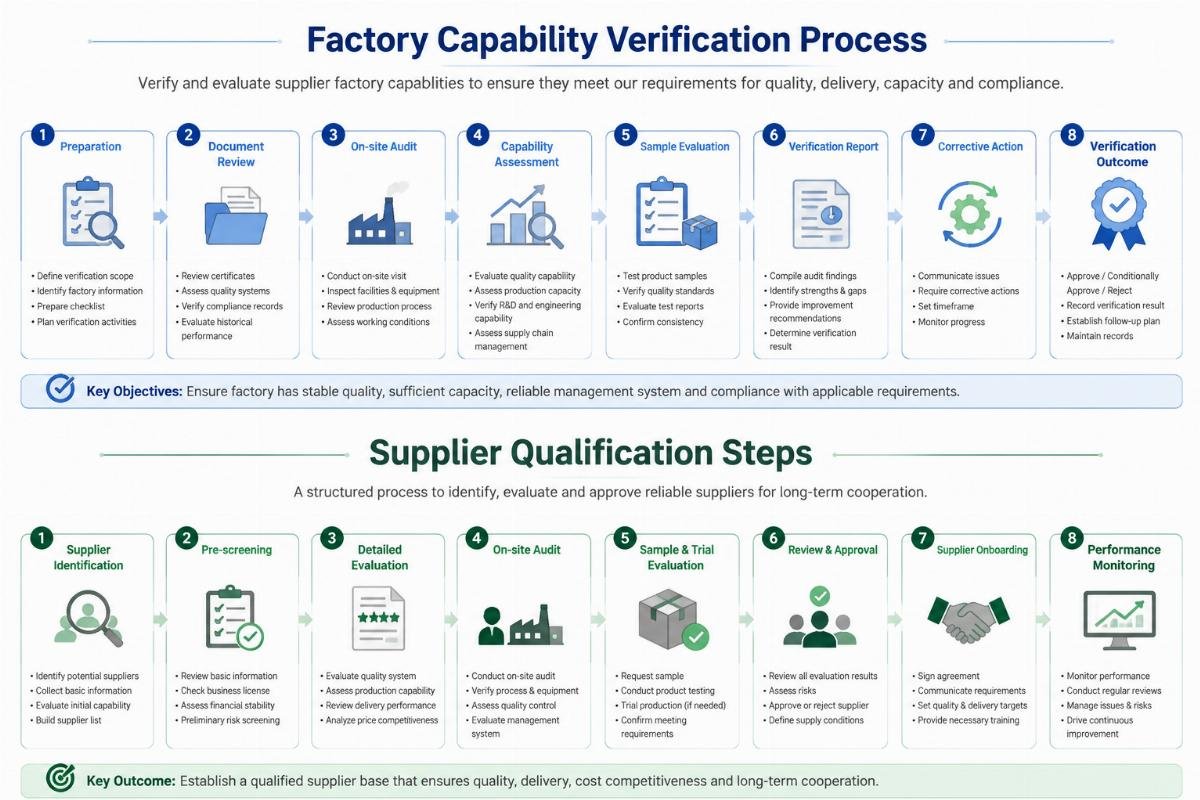
The Four-Step Verification Process
Based on successful buyer approaches I've observed, use this verification sequence:
Step 1: Specification-Based Sample Request Request samples that match your exact requirements, not standard product samples. If you need 6mm TPE yoga mats9 with custom dimensions, request samples at those specifications—this reveals whether the factory actually handles custom work or only ships standard products. I've seen buyers receive beautiful sample catalogs that showcased the factory's range, but when they requested samples matching their specific thickness and material requirements, the factory couldn't deliver.
Step 2: Certification Documentation Review Request copies of relevant certifications with valid dates and scope details, then verify them through the issuing organization if possible. Oeko-Tex certificates include certificate numbers that you can check on the Oeko-Tex website. REACH compliance requires documentation showing tested materials and compliance statements. A buyer targeting the US market should verify CPSIA compliance10 documentation. Don't accept vague claims about "quality certifications"—request the specific certifications your target market requires and verify their validity.
Step 3: Reference Client Contact Request contact information for two or three clients who placed orders similar to yours in volume and customization scope. This is more valuable than generic testimonials because it lets you ask specific questions about MOQ handling, communication responsiveness, and whether delivery timelines were met. When customers ask me for references for our cutting equipment, they want to speak with clients who had similar automation needs and production scales—that parallel lets them assess capability fit, not just overall satisfaction.
Step 4: Technical Communication Assessment Evaluate how the manufacturer handles your detailed specification questions during initial inquiry stages. Do they ask clarifying questions about your requirements? Do they explain production variables that might affect your specifications? Or do they push you toward standard products without addressing your customization needs? The quality of technical communication during inquiry reveals how they'll handle production communication later. I've watched buyers struggle with factories that gave quick responses during sales discussions but couldn't provide detailed technical information when specification questions arose—that communication gap predicted production problems later.
When Should You Consider Lower-Ranked Manufacturers?
Lower-ranked manufacturers often provide better capability matches for specific order profiles that high-volume factories can't serve efficiently.
Consider manufacturers outside the top rankings when your order profile includes small-to-medium volume, significant customization, niche certifications, or tight communication requirements—these needs often align better with specialized mid-sized manufacturers than with high-volume standardized producers.
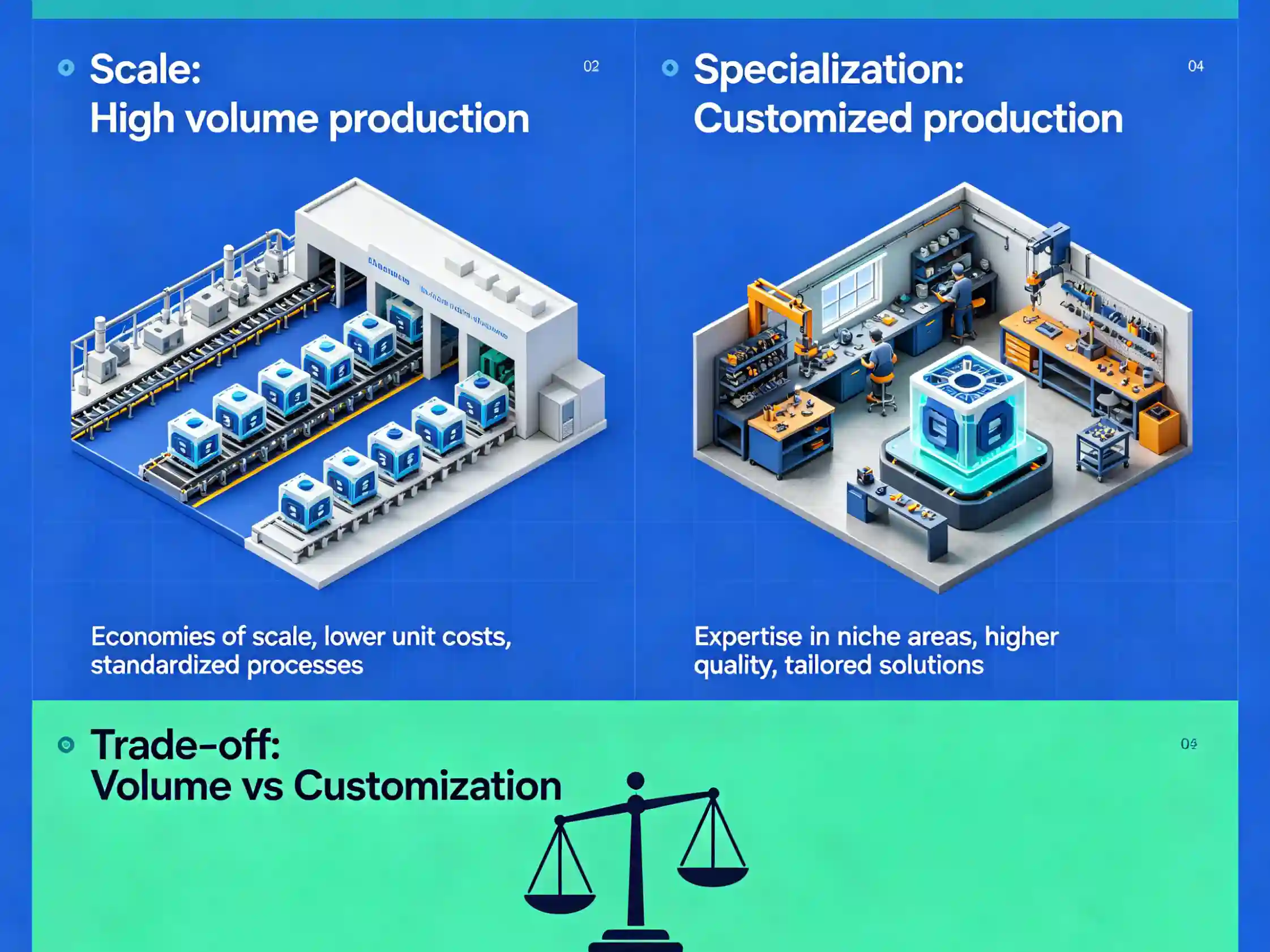
The Specialization Advantage
Mid-sized manufacturers often develop specialized capabilities that make them superior choices for specific order types:
Customization Flexibility Smaller production runs allow mid-sized factories to accommodate custom specifications without the setup cost barriers that large-volume factories face. I've seen buyers successfully work with manufacturers ranked outside the "top 10" lists because those factories specialized in custom thickness ranges or unusual material blends that high-volume producers didn't want to handle. The lower-ranked factory wasn't inferior—they were structured differently, with production systems designed for variety rather than volume.
Communication Accessibility Mid-sized manufacturers often provide direct access to technical staff and production managers, while large factories route communication through sales departments that may not fully understand production details. Buyers working on their first private label project need that technical accessibility. I've watched customers struggle with highly-ranked manufacturers where all communication went through sales representatives who couldn't answer specific questions about material properties or production tolerances—then succeed with smaller manufacturers where they could speak directly with production managers.
MOQ Flexibility Lower-ranked manufacturers frequently accept smaller initial orders because they need to build client relationships, while top-ranked factories can afford to maintain high MOQs. If you're testing a market with 500-1,000 unit orders before committing to larger volumes, a mid-sized manufacturer willing to grow with you provides better long-term value than a large factory that only becomes interested when you reach 10,000-unit orders.
Niche Certification Investment Some mid-sized manufacturers invest heavily in specific certifications that serve niche markets, giving them advantages in those segments despite lower overall rankings. A manufacturer specializing in eco-friendly yoga products might maintain multiple sustainability certifications that high-volume general-purpose factories don't prioritize. For buyers targeting green-conscious consumers, that specialized certification portfolio matters more than production volume rankings.
Conclusion
China yoga mat OEM manufacturer rankings measure scale, not fit—your supplier selection should start with your order profile requirements, then verify which manufacturers can actually deliver those specifications, regardless of their ranking position on generic lists.
What Makes a US Power Rack Actually Worth Your Money in 2024?
You want a power rack that matches your lifting goals, but every comparison chart looks identical. The specs promise safety, but the buyer reviews tell horror stories. You need to make a $300-$800 decision without seeing the product in person, and one wrong choice means either replacing the rack in a year or risking injury during heavy lifts.
Based on customer inquiries we handle daily, the top value power racks in the US market aren't just about low prices—they're about matching weight capacity to your 12-month training plan, avoiding compatibility dead ends, and choosing frames that won't flex during actual use. The five racks below consistently earn buyer satisfaction because they solve real problems that product descriptions hide.
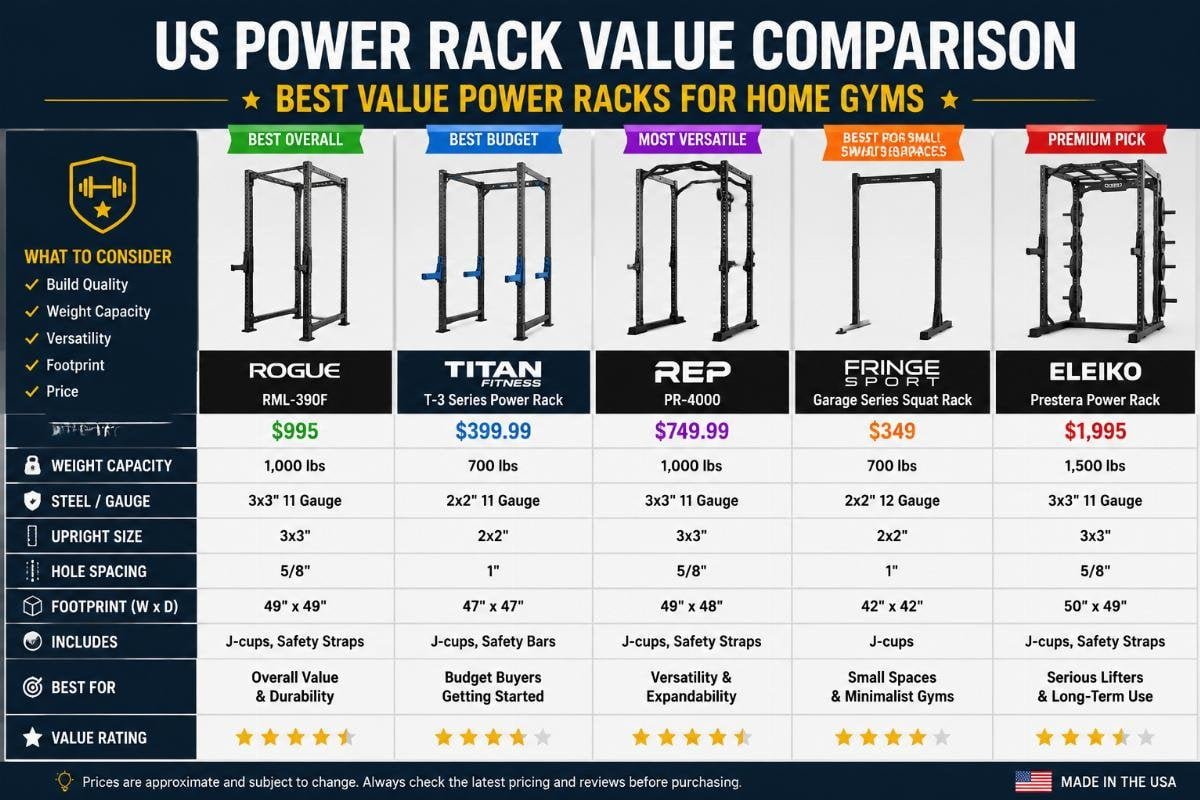
Here's what customers actually ask us when they're trying to choose between similar-looking power racks. These are the patterns we see in successful purchases versus the ones that end in returns or frustrated emails six months later.
What Weight Capacity Actually Means in Real-World Lifting?
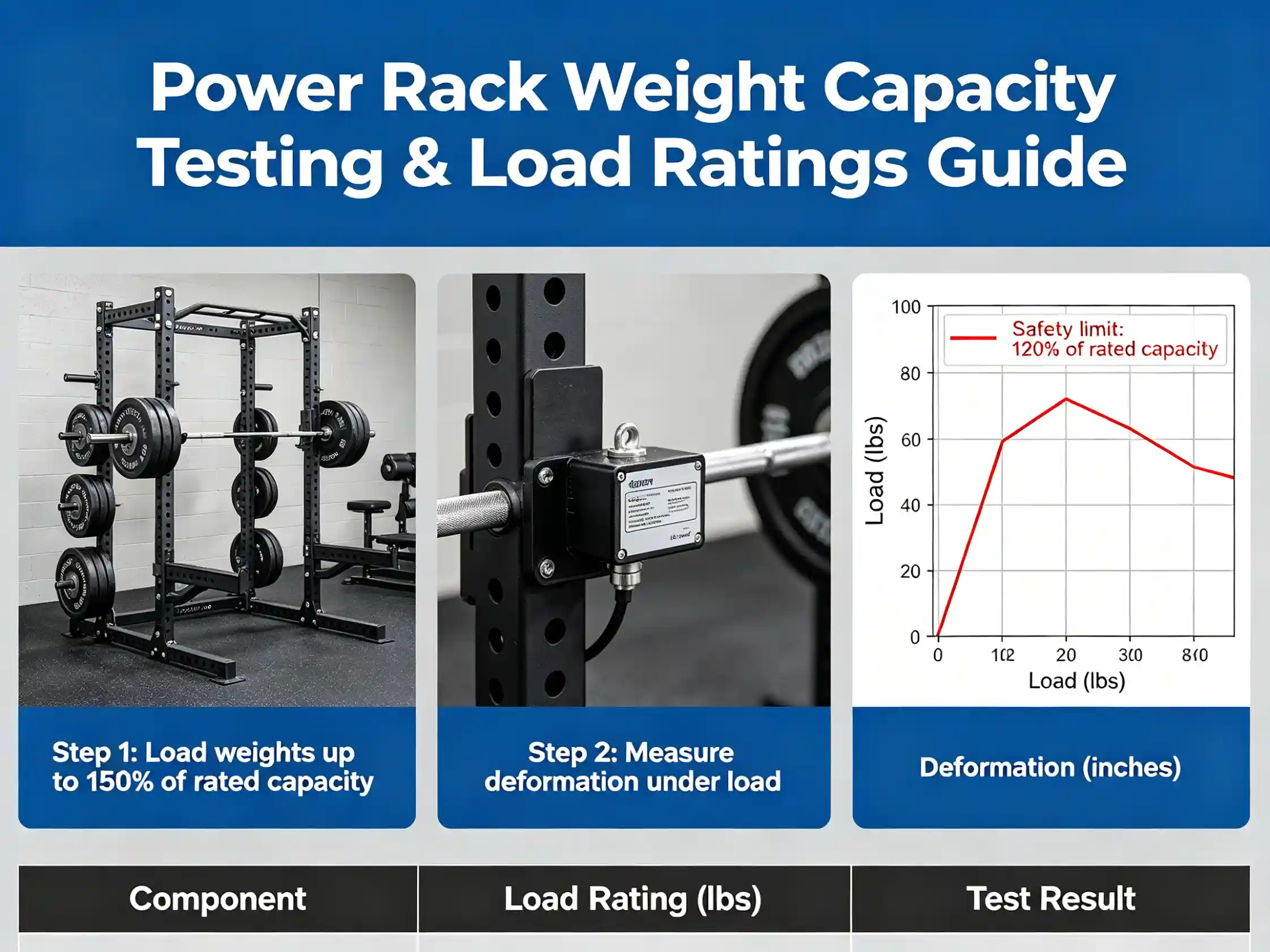
You see "1000 lbs capacity" in the product description. You think that means you can safely squat 400 lbs. Customers tell us they assumed the rating included their body weight, the bar, and the plates. Then they learn the hard way that manufacturers test static loads, not the dynamic forces from dropping a failed rep.
A power rack's listed capacity should be at least 2.5 times your current one-rep max across all major lifts1. This margin accounts for impact forces during failed lifts, uneven bar placement on safety pins, and the realistic possibility you'll add 50-100 lbs to your squat within a year.
The Hidden Variables in Capacity Ratings
We hear three main questions from buyers who are trying to decode manufacturer specs. First, they ask whether the weight limit applies to the entire frame or just the J-hooks. Most don't realize these are separate ratings. A rack might handle 1000 lbs on the uprights but only 500 lbs on the pull-up bar.
Second, customers want to know how steel gauge affects real-world stability. Manufacturers list "11-gauge steel" or "2x3 tubing," but buyers can't visualize what that means when they're un-racking 300 lbs for squats. Based on feedback we collect, 11-gauge steel in 2x3 inch tubing handles intermediate lifting (under 400 lbs) without visible flex2. You need 3x3 tubing with 11-gauge or better for advanced programming.
Third, the safety pin design matters more than customers expect. We see returns from buyers who chose racks with thin pin-and-pipe safeties, then discovered these bend during heavy drops. Here's what the market data shows:
| Safety Pin Type | Typical Diameter | Real-World Limit | Customer Feedback Pattern |
|---|---|---|---|
| Standard Pin-and-Pipe3 | 0.75 inch | 300-400 lbs dropped weight | "Bent after failed squat" |
| Solid Steel Pins | 1 inch | 500-600 lbs dropped weight | "Held up but loud impact" |
| Strap Safeties | N/A (webbing) | 600+ lbs dropped weight | "Quieter, no garage floor damage" |
| UHMW Plastic-Lined Pins | 1 inch + coating | 500-700 lbs dropped weight | "Protected bar knurling" |
The lesson customers learn after their first power rack: Don't optimize for your current max. Optimize for where you'll be in 12 months, because selling a used rack and upgrading costs more than buying the right capacity upfront.
How Do You Avoid Compatibility Dead Ends Before Purchase?
You buy a power rack at a great price. Six months later you want dip bars or a landmine attachment. Then you discover your rack uses a proprietary hole spacing pattern, and the only compatible accessories cost twice the market rate. This is the second-most common complaint we hear from home gym builders.
The standard hole spacing patterns in US power racks are Westside spacing (1-inch holes throughout), hybrid spacing (1-inch in the bench press zone, 2-inch elsewhere), and metric spacing4 (uncommon but exists). Accessories designed for one pattern won't fit others, and manufacturers don't always disclose which standard they follow.
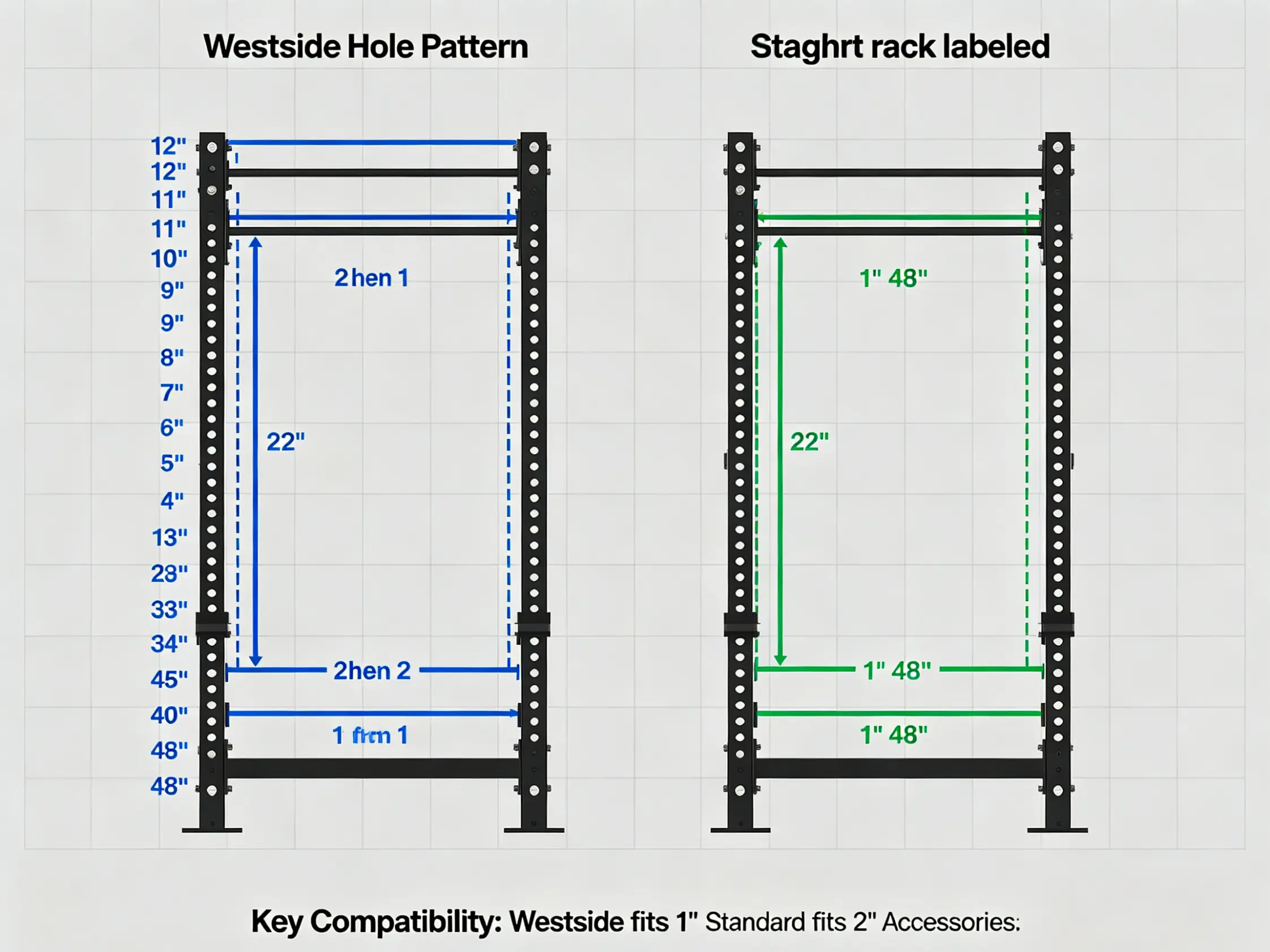
The Real Cost of Proprietary Systems
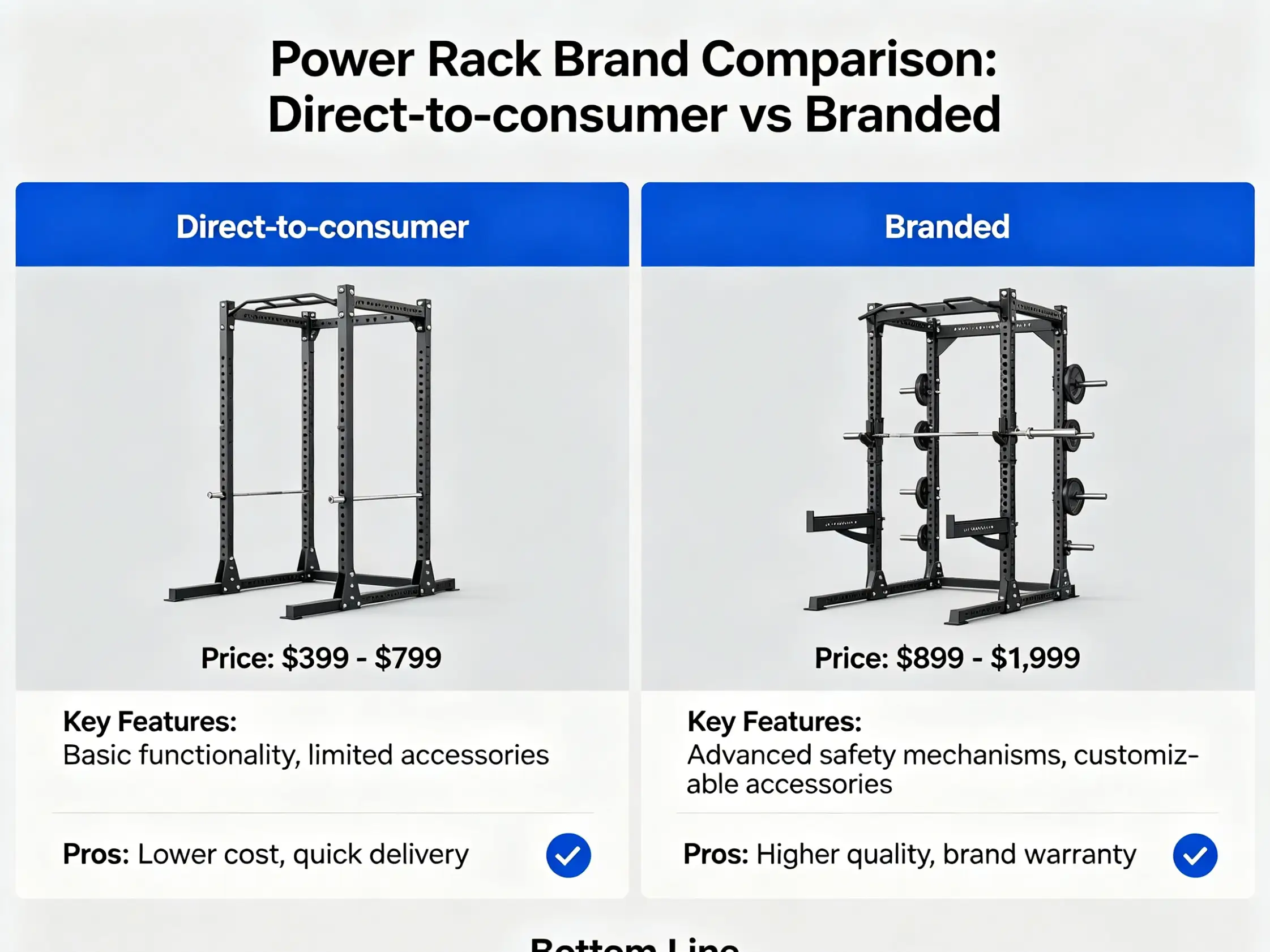
Customers ask us whether brand-name racks justify their premium pricing. They see a $600 rack from a major fitness brand and a $400 rack from a direct-to-consumer seller with identical specs. They assume the brand name guarantees compatibility and customer service.
Based on buyer feedback we've collected, here's what actually happens. The $600 branded rack often uses a modified hole pattern that requires you to buy their accessories at $80-$150 per piece. The $400 direct seller uses standard Westside spacing, and you can buy compatible attachments from multiple vendors at $40-$80. Over three years of upgrades, the "cheaper" rack costs less even after adding accessories.
The ceiling height issue surprises first-time buyers. They measure their garage ceiling at 96 inches. They buy a rack listed at 90 inches tall. Then they can't do pull-ups because they didn't account for their arm reach above the bar. We recommend this calculation:
Your minimum ceiling height = rack height + your standing reach + 6 inches clearance5
For a 6-foot-tall person with a 24-inch reach, that means you need 102 inches minimum for a comfortable pull-up on a 90-inch rack. Customers who ignore this either return the rack or never use the pull-up bar.
The attachment compatibility question extends beyond hole spacing. Buyers need to verify that their preferred accessories are compatible with their rack's upright dimensions. A landmine designed for 3x3 posts won't fit 2x3 posts without adapters. Dip bars rated for 2x2 tubing will wobble dangerously on 3x3 uprights.
Do Premium Brands Actually Deliver Better Quality in Mid-Tier Racks?
You're comparing a $500 rack from a company you've never heard of against a $700 rack from a brand you've seen in commercial gyms. The specs look similar, but you assume the extra $200 buys peace of mind. Customers tell us they expected premium brands to offer better warranty service, easier returns, and guaranteed compatibility with future purchases.
Market data shows that mid-tier power racks ($400-$800) from direct sellers often match or exceed branded alternatives in build quality, while avoiding the compatibility locks and slow customer service that frustrate premium brand customers.
When Brand Premium Makes Sense and When It Doesn't
We hear two distinct patterns in customer feedback. Buyers who choose premium brands because they want the exact rack their gym uses typically feel satisfied. They know the attachment ecosystem, they've tested the stability firsthand, and they're willing to pay for familiarity.
Buyers who choose premium brands based only on reputation often express regret. They expected responsive warranty claims but waited weeks for replacement parts. They thought they were buying guaranteed quality but received racks with the same welds and finish issues they see in budget options. They assumed their rack would hold value for resale but discovered that used premium racks sell for similar percentages of original price as budget alternatives.
The warranty comparison reveals surprising patterns. Premium brands typically offer lifetime warranties on frames but limit coverage to structural failures under normal use. Direct sellers often provide similar frame warranties but add shorter coverage (1-2 years) on moving parts like J-hooks and safety catches. Based on customer claims we've seen, frame failures are extremely rare across all price tiers6. The parts that actually break—plastic endcaps, pull-up bar padding, safety strap webbing—aren't always covered by premium warranties.
Customer service response times don't correlate with price as buyers expect. We've seen budget brand representatives answer technical questions within hours while premium brands route inquiries through ticket systems that take days to respond. The deciding factor seems to be company structure, not product price.
How Do Entry-Level Buyers Consistently Miscalculate Their Growth Trajectory?
You're squatting 185 lbs today. You buy a rack rated for 700 lbs because that seems like plenty of headroom. Twelve months later you're squatting 275 lbs and noticing the uprights flex slightly during heavy sets. You want to add resistance bands but the rack has no band pegs. You need plate storage but there's nowhere to mount it. This is the pattern we see in customers who optimized for current state instead of realistic growth.
Customers who successfully avoid outgrowing their first power rack share a common approach: they buy for the lifter they'll be in 18 months, not the lifter they are today, and they prioritize racks with attachment ecosystems that grow with their training.
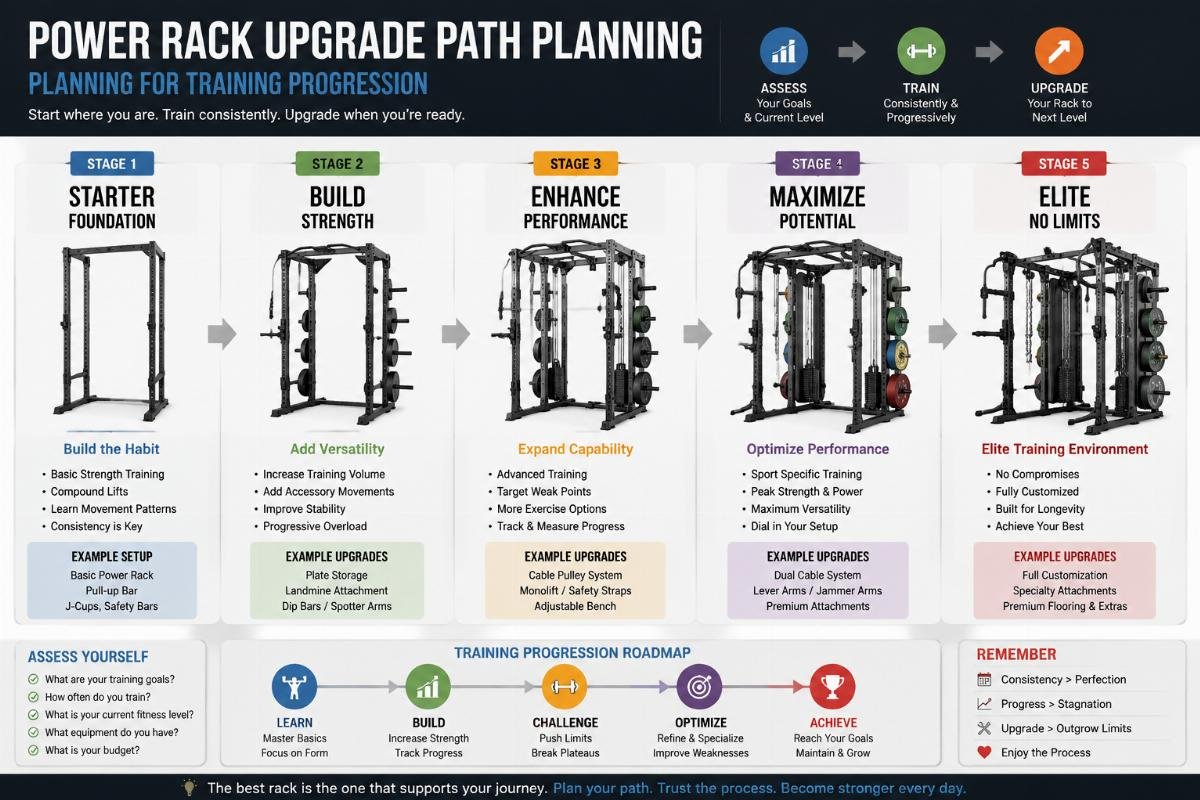
The 18-Month Rule for First Power Rack Purchases
Based on patterns we observe in customer purchase histories, here's what typically happens to lifting numbers in the first 18 months of consistent training:
| Lift Type | Average Starting Weight7 | 18-Month Typical Progress | Rack Capacity Needed |
|---|---|---|---|
| Back Squat | 135-185 lbs | +100-150 lbs | 800+ lbs minimum |
| Bench Press | 95-135 lbs | +60-100 lbs | 600+ lbs minimum |
| Overhead Press | 65-95 lbs | +40-70 lbs | 500+ lbs minimum |
| Rack Pulls | 185-225 lbs | +150-200 lbs | 1000+ lbs recommended |
The numbers tell us that buyers who choose racks rated under 800 lbs capacity often express regret by month 10-12. They haven't exceeded the rated capacity yet, but they've lost confidence in the frame's stability. They notice movement during heavy lifts that wasn't there six months ago. They're afraid to push for new personal records because they don't trust the equipment.
The attachment question affects retention more than initial capacity. Customers who buy basic power racks without considering future needs typically add these within the first year:
- Dip attachment (85% of buyers)8
- Landmine post (70% of buyers)
- Band pegs for resistance training (65% of buyers)
- Weight plate storage (80% of buyers)
- Spotter arms for bench pressing outside rack (55% of buyers)
Buyers who chose racks based only on price discover that adding these accessories costs $300-$600, often approaching the original rack price. Customers who factored in attachment compatibility from day one report higher satisfaction even when they paid more initially.
The space miscalculation works in both directions. Some buyers choose compact racks for small spaces, then realize they can't add the lat pulldown attachment they wanted because there's no room behind the uprights. Other buyers choose full-size racks for ambitious future plans, then discover the rack dominates their garage so completely that they can't park both cars anymore.
What Are the Five Power Racks That Consistently Earn Value Recognition?
You've read comparison articles that rank racks by price alone. You've seen YouTube reviews from lifters who received free equipment. You need to know which specific racks solve the problems we've been discussing without requiring you to guess which features matter.
Based on customer purchasing patterns and post-purchase satisfaction data we've collected, these five power racks represent genuine value because they match different training priorities while avoiding the compatibility and capacity mistakes that lead to regretful purchases.
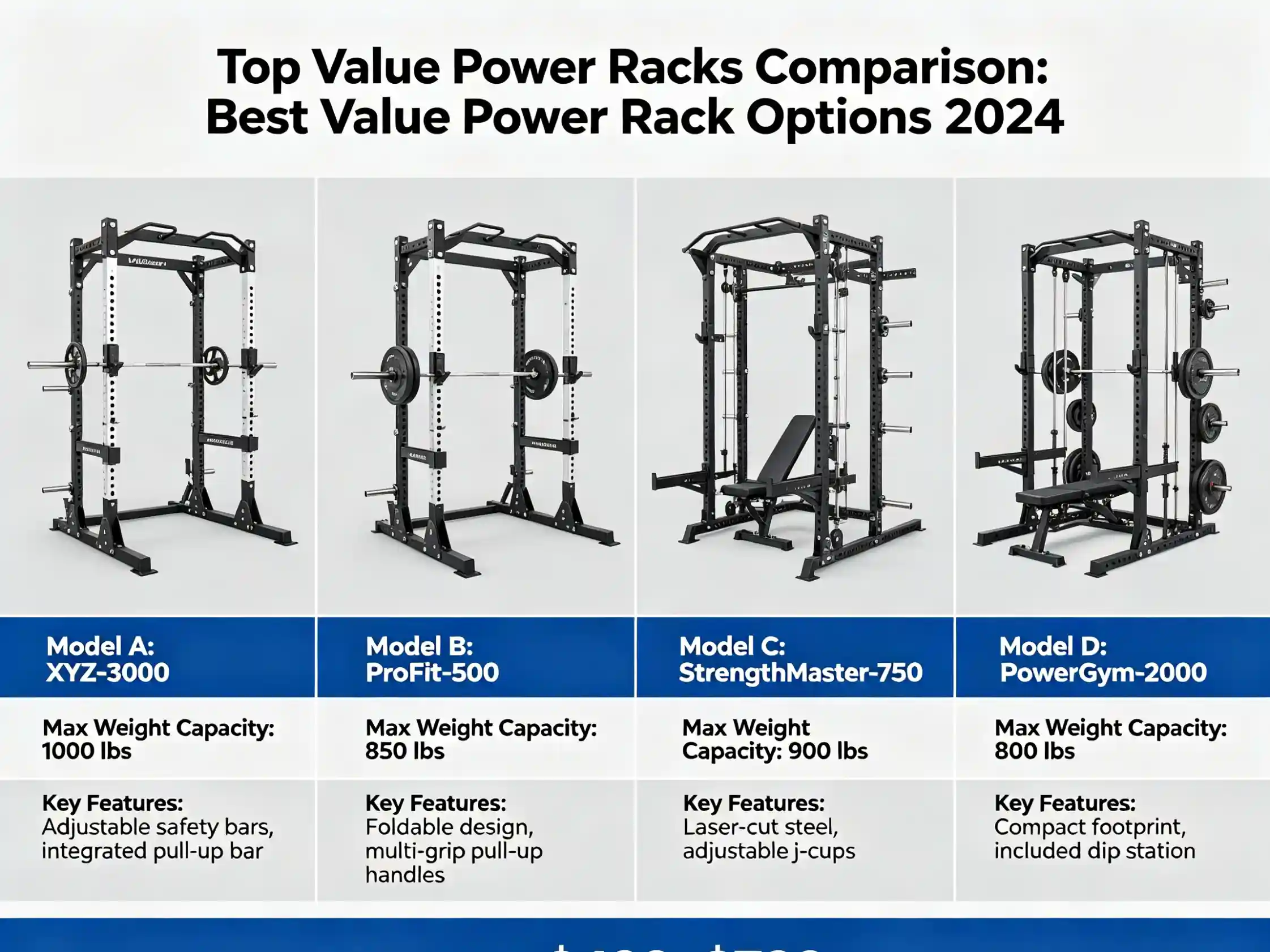
The Five Racks Customers Actually Recommend
We track which racks customers recommend to friends and which they warn others to avoid. The five below consistently appear in positive feedback from buyers who are still satisfied 12-18 months after purchase.
Option 1: The Standard Westside-Compatible Mid-Tier Rack
Customers who bought racks in the $450-550 range with these specs report high satisfaction:
- 2x3 inch 11-gauge steel uprights
- 1-inch Westside hole spacing throughout
- 1000+ lbs rated capacity
- 83-84 inch height (fits 8-foot ceilings)
- Standard J-hooks and pin-pipe safeties included
What buyers appreciate most is the compatibility. They can add band pegs from any manufacturer. They can upgrade to spotter arms without checking compatibility charts. They can mount plate storage from budget accessory sellers. The rack itself is unremarkable, but the ecosystem around it provides flexibility.
What customers complain about is the finish quality. Powder coating chips easily during assembly9. Some welds show rough grinding marks. The included J-hooks scratch bar knurling. These are cosmetic issues that don't affect function, but buyers who expected premium quality feel disappointed.
Option 2: The Compact Apartment-Friendly Squat Stand
Customers in small spaces who bought fold-away or minimal-footprint racks ($350-450) appreciate:
- Wall-mounted or fold-back design
- 24-30 inch depth when folded
- 700-800 lbs rated capacity
- Compatible with standard Olympic bars
- Optional spotter arm attachment
What buyers emphasize in their feedback is the space reclamation. They can park their car in the garage again. They can use their spare room for other purposes when not training. They accept capacity limitations because they're prioritizing livable space over maximum lifting potential.
What customers discover they miss is attachment versatility. These compact designs typically don't support lat pulldowns, landmine posts, or plate storage10. Buyers who start with compact racks often upgrade to full-size racks within 18-24 months as their training advances.
Option 3: The Heavy-Duty Future-Proof Investment
Customers who bought premium-capacity racks ($700-850) with these features report they're still satisfied years later:
- 3x3 inch 11-gauge steel uprights
- 1200+ lbs rated capacity
- Both 1-inch and 2-inch hole spacing zones
- Included strap safeties
- 90+ inch height for full pull-up extension
What buyers value most is the "buy once" confidence. They don't worry about outgrowing the capacity. They don't hesitate during heavy lifts. They appreciate strap safeties that protect their bar knurling and garage floor. They can add any attachment they discover later.
What customers note as the tradeoff is the footprint. These racks occupy 4x6 feet minimum. The shipping weight (250-350 lbs) requires two people for safe assembly. The taller height won't fit in basements or rooms with low ceilings.
Option 4: The Direct-Seller Value Leader
Customers who bought from direct-to-consumer manufacturers ($380-480) without brand premiums appreciate:
- Identical specs to branded $600 alternatives
- Standard Westside compatibility
- Responsive email support
- 2x3 inch steel uprights, 11-gauge
- 800-1000 lbs rated capacity
What buyers highlight in their feedback is the price-to-performance ratio. They get the same functional capacity as premium brands for 30-40% less cost. They use the savings to buy better barbells or additional plates. They don't see quality differences that justify paying more for a brand name.
What customers report as concerns is the resale value uncertainty. These lesser-known brands don't hold value in the used market as well as recognized names11. Buyers who might move or upgrade in 2-3 years should factor in lower recapture of initial investment.
Option 5: The Adjustable Hybrid System
Customers who bought modular racks with adjustable width ($550-700) value:
- Uprights that adjust from 24 to 48 inches apart
- Compatibility with both standard and squat stands
- Conversion from power rack to squat stand configuration
- 900-1100 lbs rated capacity
- Multiple hole spacing options
What buyers emphasize is the versatility. They can configure the rack as a compact squat stand for daily training, then expand to full power rack width for exercises requiring more space. They can adjust for different ceiling heights if they move. They appreciate having options as their training evolves.
What customers identify as frustrations is the adjustment process. Changing configurations requires loosening bolts and realigning holes, which takes 15-20 minutes each time. Buyers who thought they'd frequently reconfigure discover they leave it in one setup permanently, making the premium price less justified.
Conclusion
Value in power racks means matching your 18-month training trajectory to the right combination of capacity, compatibility, and upgrade path. Customers who avoid regretful purchases focus on attachment ecosystems and realistic growth projections, not just initial price comparisons. The five categories above work because they solve specific problems for different space constraints and lifting goals.
How Do Global Rowing Machine Suppliers Actually Stack Up in Quality Rankings?
You've received five quotes from different rowing machine suppliers. Their brochures all look professional. Their certifications seem legitimate. But which factory will actually deliver what they promised?
There is no universal quality ranking for rowing machine suppliers—your procurement success depends on evaluating specific dimensions that match your sourcing risk and business model, not on following industry reputation lists.
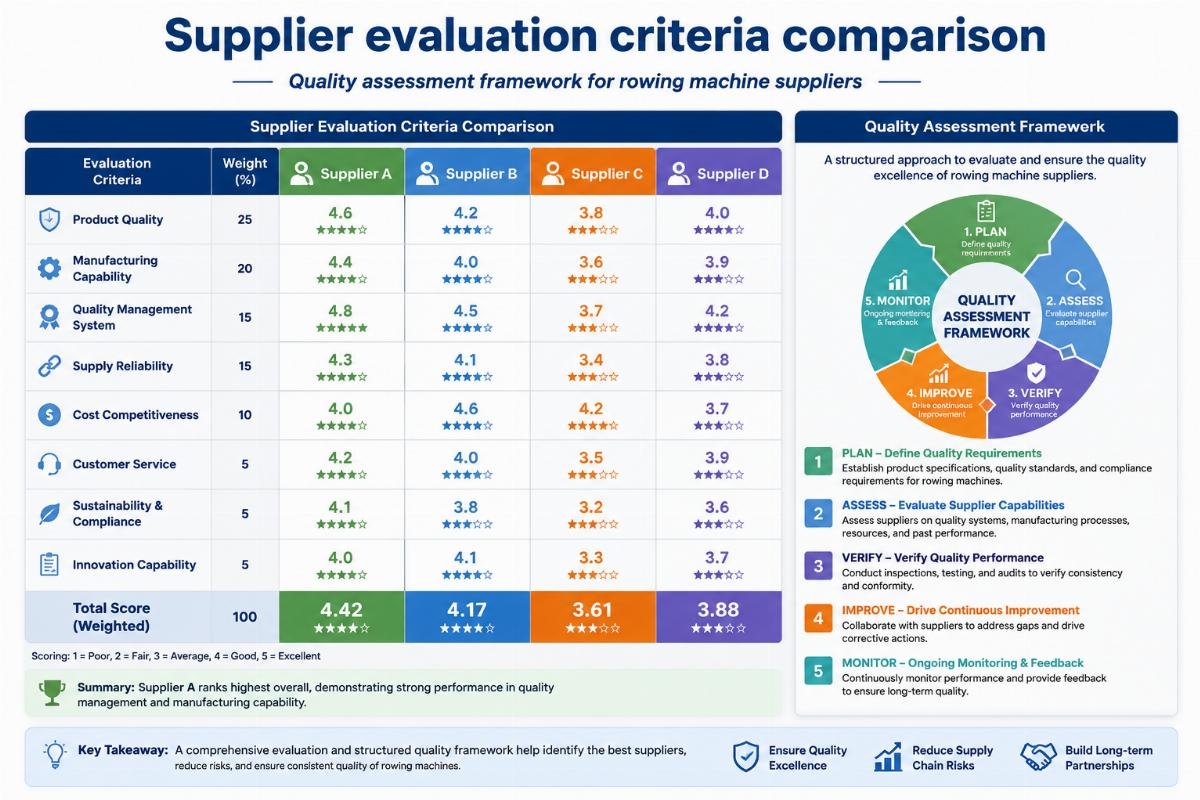
Most buyers approach supplier selection backward. They search for "best supplier" lists, compare unit prices, and make decisions based on whoever looks biggest. I learned this doesn't work after watching a colleague's 500-unit order arrive with mismatched resistance systems across the batch. The supplier had perfect ISO certificates and a beautiful showroom.
What Does "Quality" Actually Mean When Evaluating Rowing Machine Suppliers?
You cannot measure supplier quality with a single number. Different business models need different supplier strengths.
Quality means matching supplier capabilities to your specific procurement risk profile—a supplier excellent for small batch customization may fail at large volume consistency, while a factory perfect for mass production may struggle with design modifications.
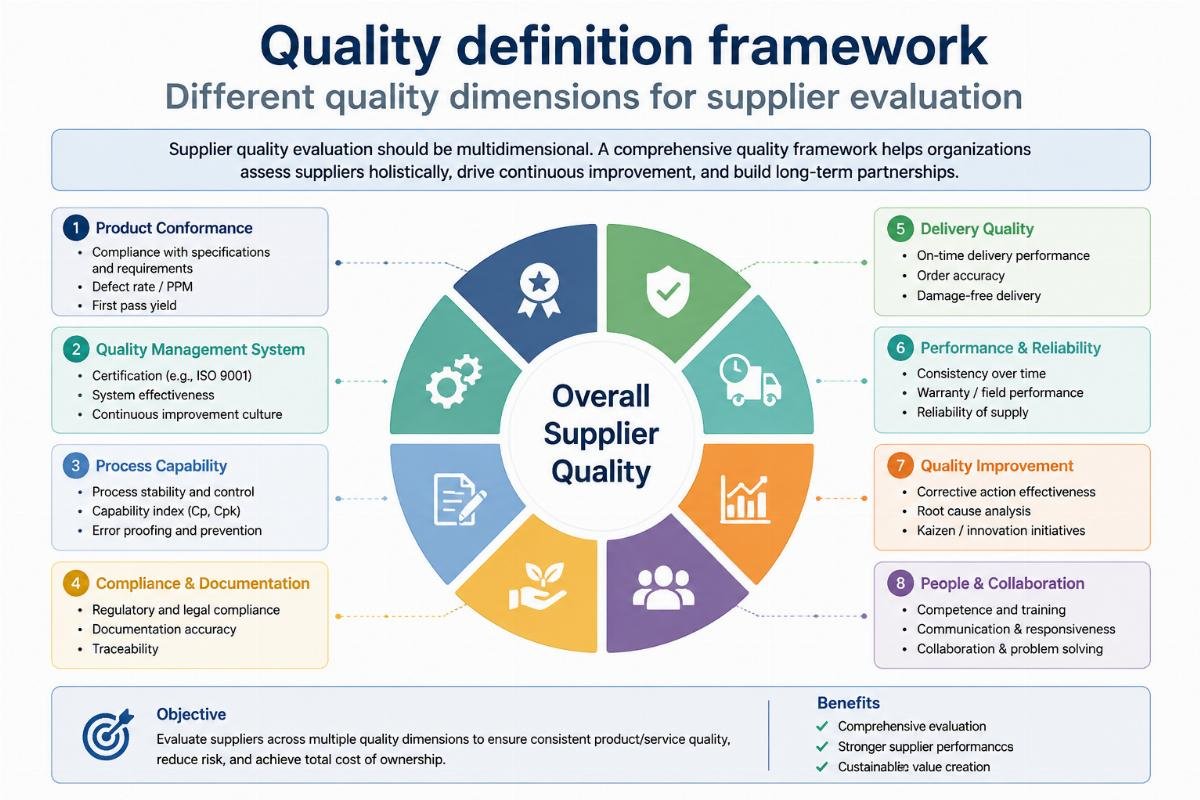
Breaking Down the Five Quality Dimensions That Actually Matter
When I audit factories, I evaluate five separate capability areas. Each one reveals different risks.
| Quality Dimension | What It Reveals | Red Flags I Look For |
|---|---|---|
| Production Capacity Stability | Whether they can maintain consistency across batches | Equipment older than 10 years1, manual assembly stations for critical components2 |
| Technical Specification Adherence | Gap between promised specs and delivered product | Sample units different from production line observations |
| Post-Sales Problem Resolution | How they handle defects and customer complaints | No dedicated after-sales contact, generic email responses |
| Supply Chain Control | Their ability to manage component quality | Multiple component suppliers with no incoming QC process |
| Documentation Accuracy | Whether their paperwork matches reality | Certificates dated before factory establishment, recycled test reports |
I once visited a factory whose brochure showed automatic welding robots. Their actual production line used manual welding with inconsistent joint quality. The gap between marketing and reality cost my client a product recall.
Another supplier had older equipment but maintained detailed maintenance logs and operator training records. Their defect rate stayed under 0.8% across three years of orders3. Equipment age mattered less than operational discipline.
The third dimension catches most buyers off guard. A supplier can deliver perfect initial batches but collapse when you report post-sales issues. I track response time, solution specificity, and whether they blame customers or own problems. One factory took eleven days to respond to a resistance mechanism failure affecting 60 units. Another sent replacement parts within 48 hours and flew an engineer to the customer site.
How Do You Verify Supplier Claims Before Placing Orders?
Supplier websites and sales materials rarely match factory reality. You need physical verification methods.
Factory audits reveal actual production capability more accurately than certifications or brochures—observe equipment condition, measure work-in-progress inventory levels, and request unannounced production line walks.
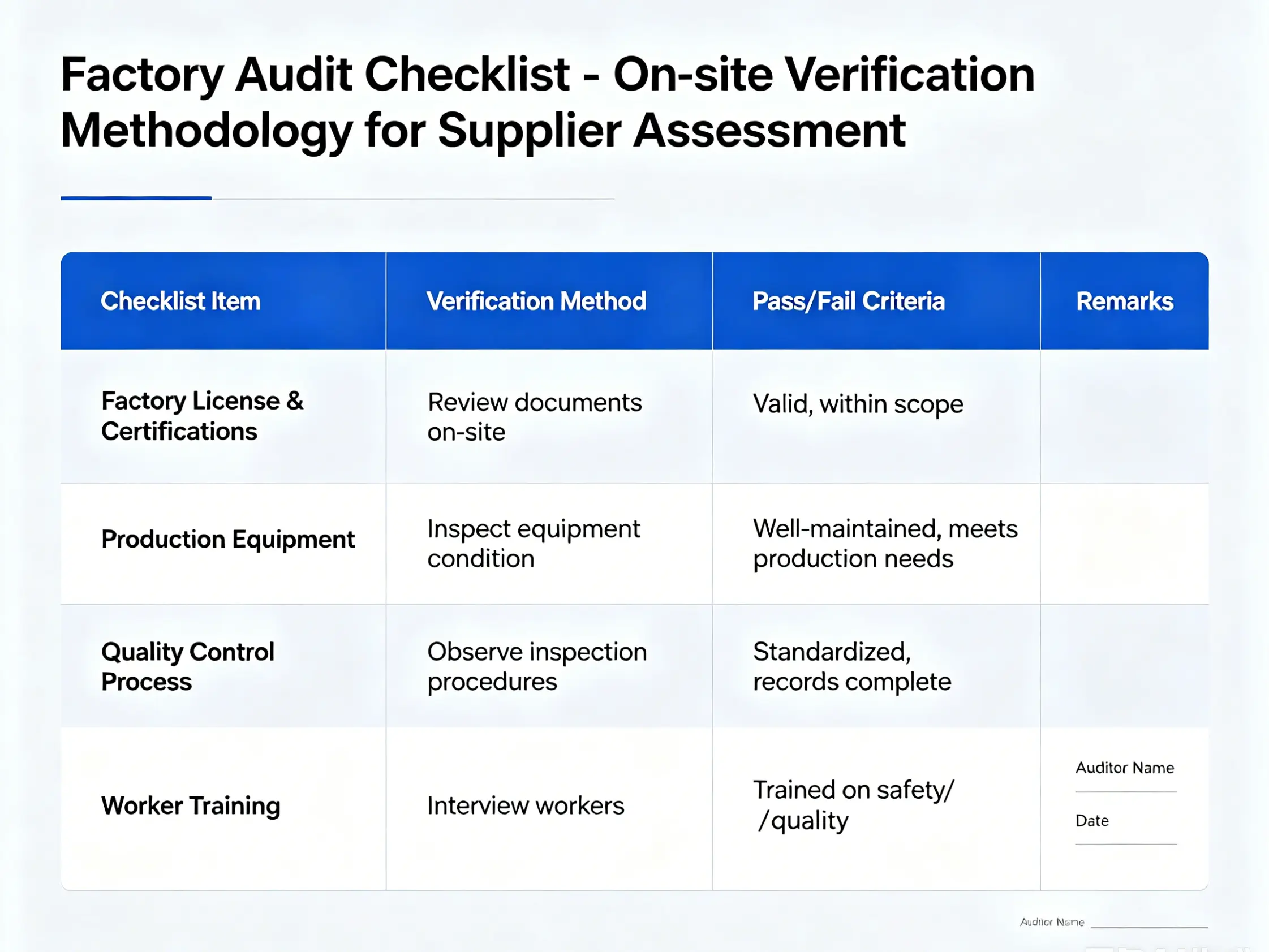
The Three-Stage Verification Process I Use
I break supplier verification into three stages, each answering different questions.
Stage one checks baseline legitimacy. I verify business registration, export licenses, and factory ownership. I've encountered trading companies presenting rented factories as their own manufacturing facilities4. Ask for utility bills and property documentation.
Stage two evaluates production reality. I request production line walks with no advance notice beyond 24 hours. Prepared factories can temporarily boost conditions, but short notice reveals normal operations. I photograph equipment model numbers and check manufacture dates. I count workstations and compare against claimed daily output. One factory claimed 200 units daily capacity but had only eight assembly stations with manual processes requiring 90 minutes per unit. The math didn't work.
I also request work-in-progress samples at different assembly stages. This shows whether they actually manufacture components in-house or simply assemble outsourced parts. Both models work, but you need to know which you're buying from. Component assembly operations face different quality control challenges than integrated manufacturers.
Stage three tests problem-solving behavior. I present hypothetical post-sales scenarios during factory visits. "If 30 units arrive with resistance adjustment failures, what happens next?" Their answer reveals support structure. Strong suppliers outline specific contacts, timeline commitments, and spare parts inventory. Weak suppliers give vague promises about "working together" to solve issues.
I also request contact information for three existing customers in similar order volumes. Not testimonials—actual buyer contacts I can call independently. Suppliers confident in their service readily provide this. Hesitation signals problems.
Why Do Certifications and Patents Not Guarantee Quality Consistency?
Certifications prove minimum compliance, not operational excellence. I've seen factories with perfect ISO documents deliver inconsistent products.
Quality certifications demonstrate audit compliance at a specific point in time—they do not measure day-to-day production discipline, component sourcing decisions, or staff turnover impact on manufacturing consistency.

What Certificates Actually Tell You About Supplier Capability
ISO 9001 certificates show that a factory has documented quality processes5. They don't show whether workers actually follow those processes during normal production. I've audited factories where quality manuals sat in filing cabinets while production floors operated completely differently.
Product safety certificates like CE or UL verify specific product samples passed testing6. They don't guarantee every manufactured unit meets those standards. I once traced a batch of non-compliant rowing machines back to a supplier using cheaper resistance components than the certified sample used. The certificate was valid. The products weren't compliant.
Patent portfolios demonstrate design capability and legal protection. They don't indicate manufacturing quality or business reliability. A supplier can hold twenty patents and still deliver late or ghost you when problems arise.
The Documents That Actually Predict Supplier Performance
I focus on three document types that reveal operational reality.
Customer complaint logs show how frequently problems occur and how the factory responds. Strong suppliers maintain detailed records including root cause analysis and corrective actions. I ask to review complaints from the past twelve months. Factories that refuse to share this data hide problems.
Batch QC reports demonstrate inspection consistency. I request reports from random production dates, not cherry-picked results. The reports should show inspection criteria, sample sizes, defect rates, and corrective actions. Generic pass/fail stamps without data mean they're not actually measuring anything.
Component supplier qualification records reveal how they choose parts vendors. Rowing machines use resistance mechanisms, seat slides, monitor electronics, and structural components from different suppliers7. How do they qualify these vendors? Do they inspect incoming components? What happens when component defects reach final assembly? Suppliers with mature processes document all of this.
What Hidden Costs Appear After You Lock in Unit Price?
The lowest quote often becomes the most expensive supplier. Hidden costs accumulate through poor communication and problem avoidance.
Post-sales responsiveness and technical support capability create ownership costs that exceed 15-40% of initial unit price savings8 when dealing with defective batches or customer complaints.
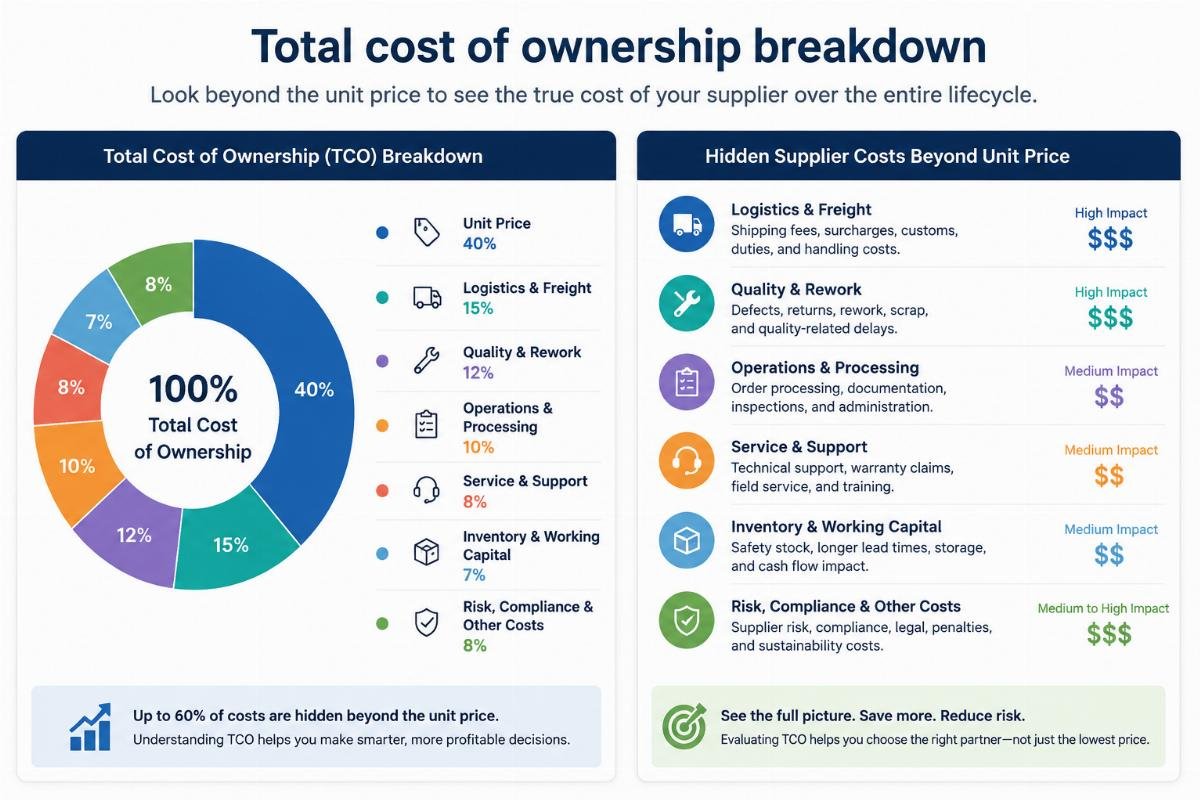
Calculating Real Supplier Costs Beyond Purchase Price
I track five cost categories beyond the invoice amount.
Communication overhead measures time spent clarifying specs, chasing updates, and resolving misunderstandings. One supplier required an average of 47 email exchanges per order because their sales team couldn't access production schedules. That's six hours of staff time per order. Another supplier provided a production dashboard with real-time updates. Same product category, vastly different overhead costs.
Quality inspection costs include pre-shipment inspection fees and rework expenses when batches fail. Suppliers with strong internal QC rarely need third-party inspection. Suppliers with weak processes require 100% batch inspection, adding $0.80-$2.40 per unit depending on product complexity.
Defect resolution expenses cover replacement units, shipping costs, and customer service time handling complaints. I calculate this as percentage of defective units multiplied by full replacement cost including logistics. A supplier with 2.5% defect rate and slow response creates higher total costs than a supplier with 0.7% defect rate and fast parts replacement, even if the first supplier's unit price is 8% lower.
Inventory carrying costs reflect safety stock needed to buffer against supplier delays or quality issues. Unreliable suppliers force you to maintain 30-45 days of extra inventory9. Reliable suppliers let you run leaner operations.
Market opportunity costs measure sales lost due to stockouts, delayed launches, or customer dissatisfaction. These are hardest to quantify but most expensive. A supplier who delays your order by six weeks during peak season costs you the entire season's margin, not just the product price.
How Should You Approach Supplier Selection for Different Order Types?
A supplier perfect for custom design projects often fails at large volume production. Match supplier strengths to your order requirements.
Supplier selection should align with order volume, customization needs, and time sensitivity—prototyping specialists rarely scale to mass production, while volume manufacturers struggle with design modifications.
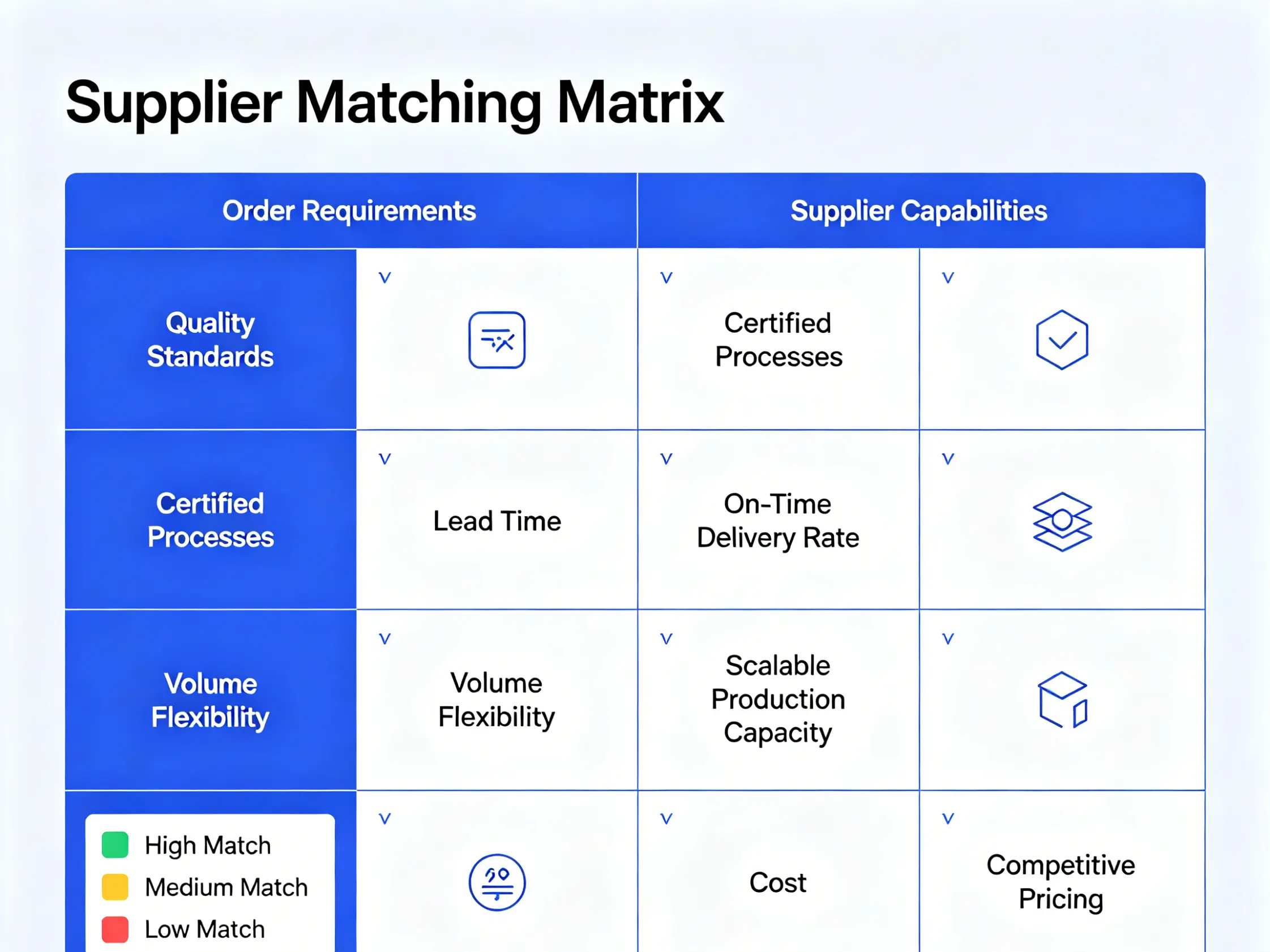
The Four Supplier Types and When Each Works
Integrated manufacturers control component production and final assembly. They work best for large volume orders with stable specifications. They offer better pricing at scale but resist design changes. I recommend them when you need 500+ units per order and have finalized specifications.
Assembly operations source components and focus on final assembly. They offer flexibility for moderate volumes and easier customization. They work well for 100-500 unit orders where you might adjust specifications between batches. Quality depends entirely on their component supplier relationships.
Design-focused manufacturers specialize in custom solutions and prototyping. They excel at translating requirements into functional products but charge premium pricing and struggle with volume consistency. Use them for initial product development, then transition to volume manufacturers for production.
Trading companies connect buyers with factories without direct manufacturing. They add a margin layer but can provide valuable sourcing expertise and quality control services. They work when you lack China sourcing experience or need small volumes across multiple product categories. Risk comes from reduced control and unclear accountability.
Matching Your Risk Profile to Supplier Capabilities
I evaluate buyer risk tolerance across three dimensions.
Technical risk measures your ability to verify product specifications and troubleshoot problems. If you have engineering expertise, you can work with less mature suppliers and save money. If you lack technical depth, you need suppliers with strong documentation and support.
Timeline risk reflects how much schedule flexibility you have. Tight launch deadlines require suppliers with proven delivery consistency. Flexible timelines let you work with less established suppliers offering better pricing.
Volume risk indicates order size uncertainty. If you're testing market demand, you need suppliers comfortable with variable order volumes. If you have stable demand, you can negotiate better terms with volume-focused suppliers.
Conclusion
Supplier quality ranking is a myth—successful procurement requires matching specific supplier capabilities to your business model, risk tolerance, and order requirements through methodical verification and total cost analysis.
"Useful Life Indices for Equipment Depreciation | Controller's Office", https://controller.ucsf.edu/reference/capital-equipment-accounting/useful-life-indices-equipment-depreciation. Manufacturing equipment useful life varies significantly by type and maintenance practices, with machinery typically depreciated over 7-15 years for accounting purposes, though well-maintained equipment can remain productive beyond these timeframes. Evidence role: general_support; source type: education. Supports: typical equipment lifecycle considerations in manufacturing. Scope note: Accounting depreciation schedules do not directly measure production quality capability ↩
"Automatic Assembly Machine Vs. Manual Assembly: Pros and Cons", https://www.dgyicheng.com/a-automatic-assembly-machine-vs-manual-assembly-pros-and-cons.html. Manufacturing research indicates that automated assembly typically provides greater consistency and lower variability for repetitive operations, though manual assembly can offer advantages for complex or low-volume tasks, with quality outcomes depending heavily on operator training and process controls. Evidence role: mechanism; source type: research. Supports: quality consistency differences between manual and automated assembly. ↩
"[PDF] Economics of Manufacturing Machinery Maintenance", https://nvlpubs.nist.gov/nistpubs/ams/NIST.AMS.100-34.pdf. Manufacturing quality benchmarks vary by industry, with consumer durable goods typically targeting defect rates between 0.5-2% depending on product complexity and quality tier, though specific rowing machine industry standards are not widely published. Evidence role: statistic; source type: research. Supports: typical defect rate ranges for manufacturing operations. Scope note: General manufacturing benchmarks rather than rowing machine-specific data ↩
"[PDF] Supplier Evasion of a Buyer's Audit - Meet the Berkeley-Haas Faculty", http://faculty.haas.berkeley.edu/taylor/papers/SupplierEvasionOfABuyersAudit.pdf. International procurement literature documents various supplier misrepresentation practices, including trading companies presenting subcontracted facilities as owned factories, highlighting the importance of independent verification through business registration checks and facility documentation. Evidence role: case_reference; source type: research. Supports: documented cases of supplier misrepresentation in international sourcing. ↩
"ISO 9001:2015 - Quality management systems — Requirements", https://www.iso.org/standard/62085.html. ISO 9001 is an international standard that specifies requirements for quality management systems, requiring organizations to document processes, maintain records, and demonstrate continuous improvement, though certification verifies system existence rather than operational effectiveness. Evidence role: definition; source type: institution. Supports: the documented requirements and scope of ISO 9001 certification. ↩
"General Use Products: Certification and Testing | CPSC.gov", https://www.cpsc.gov/Business--Manufacturing/Testing-Certification/General-Use-Products-Certification-and-Testing. Product safety certifications typically involve testing representative samples against specific safety standards, with CE marking requiring manufacturer self-declaration of conformity and UL certification involving third-party testing, though neither system mandates continuous production monitoring. Evidence role: mechanism; source type: institution. Supports: how product safety certifications are obtained and what they verify. ↩
"Contract Manufacturing Success Story: Concept2, Inc. - Gabrian", https://www.gabrian.com/project/customer-success-story-concept2-inc-contract-manufacturing/. Fitness equipment manufacturing commonly involves multi-tier supply chains with specialized component suppliers for resistance systems, electronics, and structural elements, though the degree of vertical integration varies significantly among manufacturers. Evidence role: general_support; source type: other. Supports: typical component sourcing structure in fitness equipment manufacturing. Scope note: General fitness equipment industry structure rather than rowing machine-specific documentation ↩
"What Most Manufacturers Are Leaving in Their Supply Base", https://insideconsulting.net/insights/total-cost-of-ownership-gap-manufacturers/. Supply chain research indicates that total cost of ownership can exceed purchase price by 20-50% when accounting for quality issues, logistics, and support costs, though specific percentages vary widely by industry and product complexity. Evidence role: statistic; source type: research. Supports: research on total cost of ownership in supplier relationships. Scope note: General supply chain research rather than rowing machine-specific data ↩
"Supply Chain Professors on Policy: Uncertainty, Buffers, and Trade ...", https://walton.uark.edu/insights/posts/supply-chain-uncertainty-buffers-trade-offs.php. Inventory management theory indicates that safety stock levels increase with supply uncertainty, with calculations typically based on demand variability and lead time reliability, though specific buffer quantities depend on service level targets and cost trade-offs. Evidence role: general_support; source type: education. Supports: relationship between supplier reliability and safety stock requirements. Scope note: General inventory principles rather than specific day-count recommendations ↩
"Compact Strength Gear for 2025: Smart Solutions for Small Spaces", https://thefitnessoutlet.com/blogs/fitness-outlet-blog/space-saving-strength-training?srsltid=AfmBOorkF26bXQFsXUiIE1QEK0319YGDcHb0r0N2nkHdXLiKr3ue2czj. Engineering design principles demonstrate that compact or folding equipment must balance structural stability with space efficiency, often requiring design compromises that limit attachment points, load capacity, or functional versatility. Evidence role: mechanism; source type: education. Supports: Space-saving designs involve structural and functional tradeoffs. Scope note: Specific limitations depend on individual product design rather than universal constraints of compact equipment ↩
"The Resale Value of Life Fitness Equipment: A 2026 Investment Guide", https://www.gympros.com/the-resale-value-of-life-fitness-equipment-a-2026-investment-guide/?srsltid=AfmBOorZKInLqPXEJ5HdD_adNOg0nMbh_1rH0XuP0uR7rdVwGIG2_G_Y. Consumer behavior research demonstrates that brand recognition and reputation influence secondary market pricing across product categories, with established brands typically commanding price premiums over lesser-known alternatives of similar quality. Evidence role: general_support; source type: other. Supports: Brand recognition affects resale value in consumer goods markets. Scope note: Specific resale value differences for power rack brands are not documented in published research ↩